








Why Tokyo Is Ideal for Senior Evenings
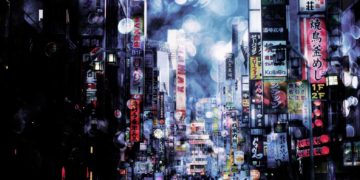
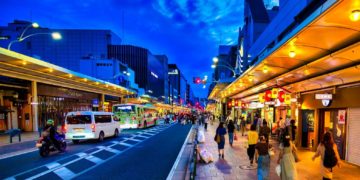
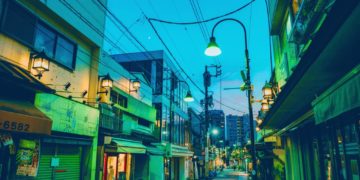
Tokyo after dark offers a combination of comfort, calm, and cultural richness that make it especially welcoming for senior travelers.
- Accessibility & Ease: Most train stations and attractions have elevators/escalators. Sidewalks are smooth and easy to navigate—even with a cane or stroller.
- Respectful Atmosphere: The city honors quiet evenings with soft voices, orderly crowds, and timely public announcements.
- Safety & Cleanliness: Well-lit streets and responsive transportation add peace of mind during nighttime strolls.
All this sets the stage for memorable nighttime experiences—without the pressure or fatigue.
Where to Experience Tranquil Tokyo Nights
Rikugien Garden Illumination Walks
A showstopper in spring and autumn, this garden is lit with soothing colors.
- Why Visit: Walk along winding paths by calm ponds and softly illuminated trees. Each turn frames a new poetic scene.
- Tips: Comfortable walking shoes and a scarf for cooler evenings. Tea stalls often stay open, offering a chance to pause with matcha under lantern glow.
Tokyo Tower at Night (Observation Decks)
Reward yourself after a stroll with panoramic city views.
- Upstairs Calm: A quiet evening ascent with minimal wait times in low season or late hours.
- Facilities: Comfortable benches, indoor viewing spaces, and two cafés to rest.
- Best Moment: Catch the last light before midnight for a view like a starry tapestry.
Kiyosumi Garden or Koishikawa Korakuen
Both open late on warm seasons—offering a timeless atmosphere.
- Why They Shine: Stone lanterns casting mood lighting, bonsai silhouettes, and koi ripples under moonlight.
- Ideal Pace: Gentle loops—less than 1km each—with benches placed by the water for resting and reflection.
Classical and Cultural Night Events
Tokyo Bunka Kaikan Concerts
This Ueno-based venue features orchestra or chamber recitals with easy chairs and gracious lighting.
- Senior-Friendly: Reserved accessible seating, wheelchair spaces, and daytime rehearsal access for early arrivals.
- Program Tips: Look for shorter evening recitals (60–90 mins), ideal for a relaxed cultural night out.
Kabuki Night Performances
Shortened 2-hour shows at Kabukiza are approachable and culturally immersive.
- Why It Matters: Bunraku—narrative masks, gentle drumbeats, and elegant movement offer a cultural immersion without exhaustion.
- Best Seats: Matsubame (pitch)* or second-row balcony seats, which provide accessible comfort.
Rakugo or Shamisen Evenings
Cozy theater lounges feature one-person comedy/surreal storytelling and live instrumental pieces.
- Ambience: Intimate, candle-lit rooms with expected soft chuckles and quiet laughter—no flashy production.
- Comfort Tips: Request front-row seats for easy earphone/translator service when needed.
Therapeutic Nighttime Experiences
Oedo Onsen Monogatari or Spa LaQua
Open into the evening, these hot spring–themed facilities offer indoor and outdoor baths.
- Soak with Ease: Footbaths and hot-soak zones wind-warm without tripod, with lounge areas to rest afterward.
- Cultural Bonus: Changed robe packages, light meals, and seasonal bath scents add subtle traditional comfort.
Hot Stone Relaxation Cafés (Ganbanyoku)
Equipped with warmed stone beds, these Roppongi or Odaiba venues offer a restful warm-up.
- Health Benefit: Promotes circulation while allowing peaceful conversation.
- Atmosphere: Low light, soft music, and quiet presence make this ideal for ending an evening.
Hotel Lounges with Piano and Views
Rooftop or top-floor lounges at Park Hyatt, Peninsula, or Andaz provide soft piano music, high-interest cocktails, and cozy ambiance.
- Why Choose Them: Elegant jazz ballads, friendly bar staff, and well-spaced seating make these places feel like home away from home.
Best Areas to Stay for Seniors in Tokyo
Ueno or Asakusa
- Strengths: Cultural landmarks, public transport access, temple and garden proximity.
- Evenings: Lantern-lit streets, calm river strolls, and traditional eateries.
Shiba–Meguro
- Strengths: Residential pace, garden neighborhoods, quiet cafes.
- Evening Options: Walkable parks, moderate dinner venues, elevated pedestrian sidewalks.
Nihonbashi
- Strengths: Deep history, upscale dining, and compact layout.
- Nighttime Routines: Short walks, early-evening illumination, and saké tasting in refined establishments.
Tips for Seniors Enjoying Tokyo at Night
Avoiding Peak Crowds
Seek out 5–7 PM or post-8 PM times when attractions are calmer. Evening street traffic is significantly lighter.
Navigation Tools
- Apps: “駅すぱあと(Eki Supaato)” for routes, “Google Maps” for building exits.
- Services: Station staff are happy to help with directions or luggage carts.
Health & Comfort Essentials
Bring a small side bag with meds, bottled water, compact charger, and a lightweight scarf. Carry a contact card with your hotel address.
FAQs for Senior Travelers Exploring Tokyo at Night
| Q | A |
|---|---|
| Are these venues too crowded for seniors? | No—empty evenings ensure spacious access and fast queues. |
| Is public transport easy after dark? | Yes—regular trains/buses run until midnight. Many lines are barrier-free. |
| Will English support be available? | Basic English greetings are common; cultural sites often provide multilingual signage. |
| Are toilets & restrooms accessible? | Nearly all major venues and stations have wheelchair-friendly and elevation restrooms. |
| Is it worth staying late? | Yes—tranquil times reveal gardens, lighting, and music in a new, memorable light. |
Final Thoughts: The Grace and Quiet of Tokyo Evenings
Tokyo’s night is not a distraction—it’s an invitation. Each illuminated pathway, softly singing piano lounge, or warm bath speaks of presence over pace.
For senior travelers, these serene experiences don’t just create memories—they become moments of reflection, elegance, and deep cultural connection. In a world that rushes forward, Tokyo’s nights give permission to breathe, remember, and savor.
Here’s to nights where the city whispers—and your heart listens.