









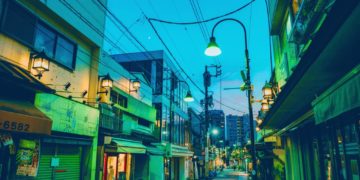

Introduction: Where Night Lights Up Fandom
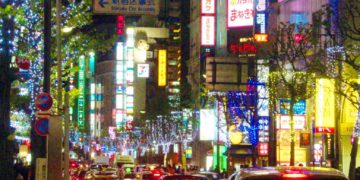
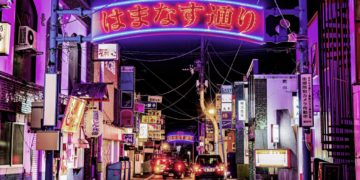
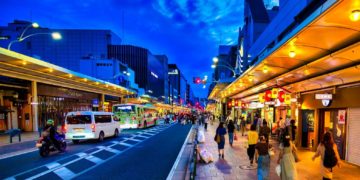
By day, Tokyo pulses with high-speed trains and towering glass buildings. But after dark, a different Tokyo emerges—glowing softly under vending machine lights and neon kanji. This is when the city’s midnight otaku scene stirs. For anime lovers, late night isn’t just a time slot—it’s a sacred space. It’s when stories unfold, communities gather, and passion becomes ritual.
From all-night anime screenings in Akihabara to after-hours shopping in Ikebukuro, the nocturnal side of otaku culture is bold, niche, and deeply communal. It’s more than just staying up late—it’s about diving into a parallel universe that begins when the rest of the world is winding down.
1. What is Late-Night Anime and Why Does It Matter?
1.1 The Origins of Midnight Airing
The term “late-night anime” (深夜アニメ, shinya anime) refers to series that air between midnight and 3 AM on Japanese television. This programming began in the 1990s, targeted not at children, but at adults and college-aged fans. With fewer content restrictions, creators gained space to tell darker, more complex stories: psychological thrillers, romance dramas, and experimental art.
Cult hits like Serial Experiments Lain, Neon Genesis Evangelion, and Paranoia Agent thrived in these time slots. For fans, watching anime at midnight became a badge of dedication, a lifestyle that blurred into identity.
1.2 The Emotional Rhythm of Watching at Midnight
There’s something profoundly different about watching anime at night. With the world quieter and your senses heightened, the emotional impact of a scene lands harder. A soft piano note. A tearful confession. A plot twist. These moments sink in deeply, untethered from daytime distractions.
And when you’re watching with others—whether at a late-night bar or via a streaming party—there’s an intimacy, an unspoken bond between viewers. You’ve all made the same sacrifice: sleep traded for story.
2. Where to Experience Tokyo’s Midnight Otaku Scene
Let’s explore where the heart of nocturnal anime fandom beats strongest.
2.1 Akihabara After Hours: More Than Just Electronics
Known globally as the “Mecca for Otaku,” Akihabara doesn’t shut down after sunset. Instead, it shifts gears—from shopping district to subcultural playground.
🍸 Cosplay Cafés and Otaku Bars
- @Home Cafe Akihabara (late seatings) While famous during the day for maid service, its late sessions are a mix of music, anime karaoke, and anime-themed cocktails. Try the “Saber Martini” or “Nico Nico Highball.”
- Bar Rhythm Akiba An intimate hideaway where DJs spin AniSongs (anime soundtracks) and guests wear casual cosplay. Open till 3 AM on weekends.
📺 Viewing Lounges
- Cure Maid Café’s screening nights Offers themed anime nights where you can watch episodes over dinner. Popular during seasonal anime finales or premieres.
2.2 Ikebukuro: Otome Road After Dark
Ikebukuro, often seen as the female-centric otaku hub, is equally vibrant after hours.
🌸 BL Cafés and 2.5D Theatre Nights
- Swallowtail Butler Café (extended nights) While primarily geared toward “butler experiences,” Swallowtail occasionally offers anime seiyuu guest events and moonlit tea service.
- Animate Ikebukuro Though most floors close by 9 PM, special events like new manga releases, stage play collaborations, or midnight manga café drops bring late-night queues.
2.3 All-Night Anime Cinemas
🎥 TOHO Cinemas Shinjuku
Frequently hosts “All Night Anime Fests” during premiere weekends or anniversaries. You can catch back-to-back screenings, original goods sales, and themed snacks.
🎬 Wald 9 Shinjuku
Offers cozy reclining seats and often screens indie or experimental anime films that aren’t widely aired. Perfect for die-hards.
2.4 24-Hour Anime Shops and Don Quijote Haunts
- Don Quijote Akihabara Open 24/7. Offers everything from anime bath salts to cosplay wigs. A great post-bar stop before grabbing the last train—or crashing at a capsule hotel.
- Mandarake Complex (till late) While closing by 9–10 PM, many fans use the last hours to grab rare doujinshi, artbooks, or vintage merch before night outings.
3. Nightlife Events: Where Otaku Gather in the Dark
Midnight anime culture thrives not only in cafés and stores but also at dedicated nightlife events.
🎶 AniSong Club Culture
- MOGRA Akihabara A cornerstone of anime DJ culture. Dance under laser lights to Evangelion remixes and Love Live! medleys. Cosplayers welcomed; glowsticks encouraged.
🌟 Seiyuu Appearance Nights
- Surprise midnight meet-ups happen during anime premiere seasons. Keep an eye on Twitter or live-fan boards for venues like Shibuya’s Tower Records Café or Ikejiri’s Lounge Vivid.
🎤 Karaoke Battles
- Big Echo Ikebukuro (otaku room floors) Rent anime-themed karaoke rooms till 5 AM. Battle friends with full-length openings from Attack on Titan, Bleach, or My Hero Academia.
4. How to Explore Tokyo’s Anime Nightlife as a Visitor
Even if you’re only in town for a few days, Tokyo makes it remarkably easy for anime lovers to dip into its midnight scene—if you know where to look and what to prepare.
4.1 Navigating the Otaku Map at Night
- Transit tips:
- Tokyo’s last trains generally run around 12:30 AM. Know your nearest station’s final departure.
- Planning to stay out all night? Book a capsule hotel or 24-hour manga café in advance.
- Best neighborhoods to target:
- Akihabara (for general anime culture)
- Ikebukuro (for female-oriented fandom and chill lounges)
- Shinjuku/Shibuya (for anime clubs and cinemas)
- Late-night landmarks:
- Tokyo Station Character Street closes early, but a short cab ride from there can land you at 24/7 hotspots.
4.2 Safe Solo Exploration
Tokyo remains one of the safest major cities worldwide, even at 3 AM. Still:
- Stay in well-lit areas
- Avoid drunk karaoke stragglers in Shibuya
- Use IC cards (like Suica) for quick fare access, even post-midnight
5. Language Barriers: No Nihongo? No Problem
While not all otaku spaces are English-friendly, many are adapting. Here’s how to enjoy the scene even without Japanese fluency.
5.1 Signage and Support
- Many event flyers and menus feature English, Chinese, or Korean translations.
- Staff at major shops and cafés are accustomed to foreign guests—don’t hesitate to gesture, point, or show pictures.
5.2 Phrases Worth Knowing
| Japanese Phrase | English | Use |
|---|---|---|
| “Kore wa nan desu ka?” | What is this? | Pointing at merch |
| “Mi-set-te kudasai.” | Please show me. | Asking to browse goods |
| “Arigatou gozaimasu!” | Thank you very much! | Always appreciated |
6. Top Anime to Watch After Midnight (and Why)
Some anime just feel better after dark. Whether it’s the emotional impact, quietude, or aesthetic resonance, these shows shine brightest by moonlight:
| Title | Genre | Midnight Vibe |
|---|---|---|
| Serial Experiments Lain | Cyber-noir | Makes you question identity in the silence |
| Mushishi | Supernatural | Slow, poetic, and tranquil—perfect for sleepy nights |
| Paranoia Agent | Psychological | Disturbing and thrilling after 1 AM |
| March Comes In Like a Lion | Drama | Healing, reflective storytelling for solo watchers |
| Vivy: Fluorite Eye’s Song | Sci-fi/Music | Lush visuals and tragic arcs meant for silence |
Pro tip: Some Akiba bars curate watchlists like this for communal viewing events!
7. FAQs: First-Time Otaku Nightlife Visitors
| Question | Answer |
|---|---|
| Are there female-friendly venues? | Absolutely. Ikebukuro and Omotesando offer inclusive spaces with chill atmospheres. |
| Is cosplay allowed at clubs? | Yes, especially at MOGRA and themed cafés—just check event rules. |
| Do I need to reserve cafes or clubs? | Popular cafés require reservations; bars/clubs are often walk-in. |
| What should I wear? | Anything from casual anime tees to full-blown cosplay (if allowed). Comfort is key. |
| What’s the budget for a night out? | ¥3,000–¥6,000 depending on drinks, covers, and merchandise. |
8. Final Thoughts: Why Anime Feels Different at Night
Anime is a medium of emotion. Late at night, those emotions resonate deeper. There’s less noise—internally and externally. The stories feel closer. The laughter rings clearer. The tears come easier.
Late-night anime culture in Tokyo isn’t about escaping reality—it’s about leaning into a version of reality where community, identity, and artistry flourish in the shadows. Whether you’re trading figures in Akihabara, sobbing into a bowl of ramen after Clannad, or dancing to Evangelion remixes at 3 AM—this is where anime lives and breathes.
It’s not just “watching anime at night.”
It’s being anime—in time, space, and spirit.