





Introduction: Kyoto’s Hidden Ramen World
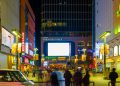
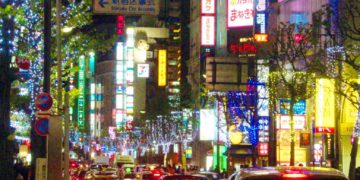
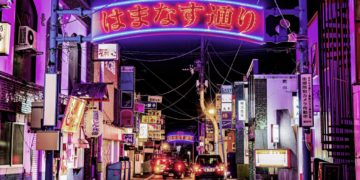
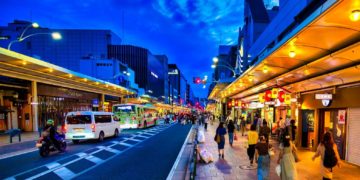
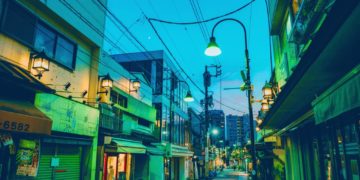
Kyoto—renowned for temples, traditional tea, and kaiseki—hides a more informal soul after dark. Once the tourist crowds retire, the city awakens a low-lit ramen subculture. Here, you’ll find intimate shops in old machiya, alleyway noodle counters, and bowls that blend Kyoto’s delicate flavors with late-night comfort. From light shoyu and chicken paitan to deeper miso concoctions and inventive fusion bowls, Kyoto’s ramen scene is a quiet delight—best explored on a stroll after evening prayers at Yasaka or a late temple visit.
Expect ramen that respects Kyoto’s elegant simplicity, but caters to urban cravings. Ordering is easy but thoughtful—look for machines with pictures, learn a few key Japanese phrases (“kaedama” = noodle refill), and host a gentle slurp punctuated with a soft “Sumimasen, gochisōsama.”
🍜 Kyoto’s Top 15 Late‑Night Ramen Shops
| # | Shop | Location | Style & Highlight | Price (¥) |
|---|---|---|---|---|
| 1 | Menbakaichidai (“Fire Ramen”) | Nijo-joumae Sta. | Flaming scallion broth; dramatic visuals | 3,000–4,000 |
| 2 | Honke Daiichiasahi | Kyoto Sta. | Shoyu Ramen; kujo-negi(spring onion) topping | 840-1,140 |
| 3 | Chuka Soba Takayasu | Ichijo-ji Sta. | Chuka Soba; Chicken Karaage | 780-1,120 |
| 4 | Marushin hanten | Higashiyama Sta. | Shoyu ramen; Tenshin-han | 680-850 |
| 5 | Mensho Takamatsu honten | Karasuma Sta. | Tsuke-men | 850-950 |
| 6 | Ikedaya Ichijo-ji ten | Ichijo-ji Sta. | Jiro-kei ramen | 680-800 |
| 7 | Hakata Nagahama Ramen Miyoshi | Sanjo Sta. | Tonkotsu ramen | 700-850 |
| 8 | Mensho ichiryumanbai kawaramachi | Sanjo Sta. | Shoyu ramen; Tsuke-men | 750-1,000 |
| 9 | Kyoto Semmaru Shakariki Murasaki | Kyoto Sta. | Shoyu ramen | 880-1,700 |
| 10 | Ramen Sou Chikyu Gibo de Kangaero | Fushimi Sta. | Jiro-kei ramen | 1,200-1,300 |
| 11 | Ramen Soubou Pako | Nishikyogoku Sta. | Chuka soba; Tsuke-men | 800-900 |
| 12 | Taiho Ramen Kiyamachi-ten | Sanjo Sta. | Shoyu ramen; Chicken karaage | 950-1,300 |
| 13 | Bishi-ya | Ichijo-ji Sta. | Tonkotsu shoyu ramen | 800-1,750 |
| 14 | Menya Mitsuru: Rich Kyo Chicken Paitan Ramen | Karasuma Sta. | Chicken paitan ramen | 900-1,200 |
| 15 | Mensho Takamatsu Shijo | Karasuma Sta. | Tsuke-men |
🍥 Kyoto‑Style Ramen Manners & Tips
- Ticket Machine Magic – Many shops use photo-based vending systems. Photos = helpful even if mispronouncing.
- Noodle Refills – Ask “kaedama onegaishimasu” for a free extra noodle serving.
- Time‑Efficient Eating – Soups cool fast in Kyoto’s evenings; eat promptly.
- Show Respect – Gently slurp (not loud), and leave quietly. Kyoto is calm at night.
- Thank-You Phrases – A soft “Gochisōsama deshita” goes far in cozy tea-house-like ramen spaces.
🌿 Cultural Snapshot: Kyoto’s Noodle Philosophy
- Silky restraint – Kyoto bowls value lightness, nuance, and seasonal touches over sheer richness.
- Tea-room elegance – Background aesthetic—wooden counters, lanterns, soft conversation.
- Innovation balanced with tradition – Classics sit next to flames, miso fusions, and light Tsukemen.
- Local pride – Many shops are family-owned, serving bowls they’ve perfected for years.
🏁 Conclusion: Kyoto’s Late‑Night Slurp Journey
In Kyoto, after the tourists leave and lanterns glow, ramen becomes a secret ritual. These 30 bowls capture the balance between tradition and nighttime comfort. From flaming theatrics to quiet lanes, each ramen shop is an invitation—to slurp, reflect, and feel Kyoto’s lesser-known pulse. Whether you’re wrapping up a temple walk or capping a night in Pontocho, Kyoto’s ramen will wrap you in flavor and culture, one elegant bowl at a time.