




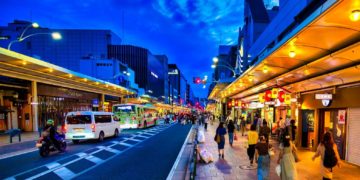
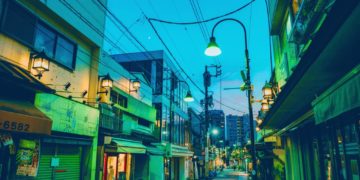

✨ What is a Yokochō?
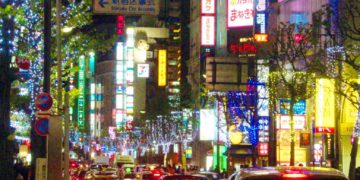
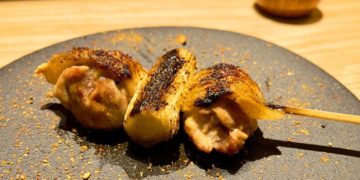
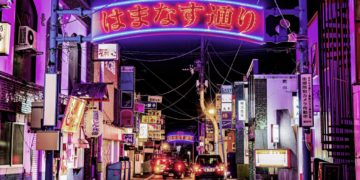
A yokochō (横丁) is a compact alley or narrow street lined with tiny bars, taverns, and eateries. Often tucked away behind train stations or between buildings, these atmospheric streets typically host 10–30 establishments, each offering a unique theme or specialty. The vibe is intimate—counter seats, tight tables, and friendly chats with bartenders or chefs. Despite their small size, yokochō are vibrant nighttime hubs where locals unwind after work, locals meet up with friends, and visitors experience authentic Japanese nightlife.
✅ Benefits of Visiting a Yokochō
- Authenticity & Atmosphere Each little shop is a gem—whether it’s a tofu stand, yakitori grill, sake bar, or playful jazz bar. The dense and authentic energy immerses you in real Tokyo life.
- Efficient Sharing & Tasting Because spaces are compact and menus small, you can sample many places in one evening—great for groups or solo travelers seeking variety.
- Affordability Many shops serve snacks or mini-portions (100–500 JPY per dish) and drinks (350–800 JPY for beer or sake). Spending even 3–5 stops makes for a lively night under 5,000 JPY.
- Casual & Sociable Unlike upscale bars, yokochō encourage dropping in solo, chatting sideways at the counter, and toasting with “Kampai!”—often with complete strangers.
- Convenient Locations Clusters exist near major train stations (Shinjuku, Yurakucho, Asakusa, etc.), making them quick and easy after-work detours.
🍻 When Do Japanese Locals Visit Yokochō?
Locals head to yokochō for:
- Post-work unwinding — One or two drinks and yakitori after late office hours.
- Casual gatherings — Lightweight outings with co-workers or small friend groups.
- Date-hopping — Visiting multiple spots in one night—like a tasting tour with atmosphere.
- Pre- or post-concert relaxation — Ideal for starting or ending the night when heading home.
🗺️ Tokyo’s Top 5 Yokochō (Part 1)
1. Omoide Yokocho, Shinjuku
- Why Visit: Iconic Showa-era alley packed with yakitori smoke, neon lights, and nostalgic vibes.
- What’s Inside: Around 60 stalls offering yakitori, horumon (guts), noodles, and grilled seafood.
- Drinks & Food: Beer (¥450–600), sake/cocktails (¥500–700); food snacks ¥300–¥700 per skewer/snack.
- Typical Cost: About ¥2,000–3,500 for two stops per person.
- Tourist Tips: Queuing shoulder-to-shoulder is normal. Smoking allowed in most stalls—ask politely. English menus are increasingly common.
2. Sanchoku Yokocho, Yurakucho
- Why Visit: A vibrant alley under the JR tracks where you can “travel across Japan” without leaving Tokyo. Each stall represents a different prefecture, offering specialty foods and drinks sourced directly from local producers—making it a must for regional flavors and rare sake.
- What’s Inside: Over 15 specialty counters, each themed by region (Hokkaido, Kochi, Kagoshima, etc.) and serving dishes like grilled mackerel, deep-fried whale, seasonal seafood, wild game meats, and local sake or shochu. A literal feast of Japan’s lesser-known culinary treasures.
- Drinks & Food: Beers ¥500–700, local sake ¥600–900, regional delicacies like charcoal-grilled horse mackerel or Hokkaido scallops ¥400–900; set meals or small plates from ¥500–1,200.
- Typical Cost: Around ¥3,000–5,000pp for a regional tasting tour across 2–3 stalls.
- Tourist Tips: Most shops offer English-friendly signage and photos. It’s counter and table mix, with vibrant crowds post-6 PM. Smoking is not allowed inside most stalls; designated areas exist outside the venue. Perfect for foodies wanting to explore Japan’s food culture without hopping on a train.
3. Hoppy Dori, Asakusa
- Why Visit: Lively alley celebrating Hoppy beer—a low-alcohol beer-flavored drink perfect for pairing with pork guts (motsu).
- What’s Inside: 20–25 casual shops offering grilled innards, Tokyo-style oden, and fried goodies.
- Drinks & Food: Hoppy combo ~¥480, shochu ~¥350 shot, food ¥300–¥600 per plate.
- Typical Cost: Around ¥3,500 total for a pub crawl with 3–4 stops.
- Tourist Tips: Choose “Naka 1” shochu refill options, chat with locals—they’ll teach you how to pour. Most spots allow smoking.
4. Memory Lane, Ebisu Yokocho (Ebisu)
- Why Visit: A revamped maze of retro bars and stalls recreating Showa-era charm—less touristy than Shinjuku or Asakusa.
- What’s Inside: 20–25 stalls offering everything from yakitori and kushikatsu to seasonal oden and fresh oysters.
- Drinks & Food: Beers or highballs (¥500–700); sake/shochu (¥600–800); dishes from ¥300–¥900—grilled seafood, cheesy tofu, or tempura.
- Typical Cost: Around ¥3,000–4,000 for three casual stops.
- Tourist Tips: Smoking is allowed in most inner stalls; some spots have designated non-smoking tables. Look for the 「完全禁煙」(non-smoking) sticker if preferred. English menus and staff are common due to Ebisu’s international atmosphere.
5. Harmonica Yokocho (Kichijōji)
- Why Visit: Historic bohemian alley near Inokashira Park—favorite with creative Tokyoites and musicians.
- What’s Inside: Around 30 compact bars specializing in yakitori, grilled seafood, noodles, and quirky craft cocktails.
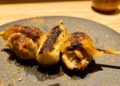
- Drinks & Food: Craft beer or highballs (¥600–800); sake flights (¥700–900); nibbles like grilled eel skewers or nostalgic miso croquettes (¥400–800).
- Typical Cost: Approximately ¥4,000 for a three-fix tour for food and drinks.
- Tourist Tips: Most stalls allow smoking, but non-smoking seats are occasionally available. Experience flows from one cozy stall to the next; each host welcomes you with a warm “Irasshaimase!” (“Welcome!”).
🤝 How Visitors Can Make the Most of Yokochō
- Manners & Etiquette:
- Arrive early (5–7 PM) to grab a good seat. You can even start day-time.
- Share stools: counters are for mingling—don’t hog space.
- Stay put for ~60 minutes: it’s polite to rotate as places fill up.
- Clink glasses and say “Kampai!” before the first sip.
- Use cash: most places are cash-only, and tipping is unnecessary—express thanks verbally instead.
✅ Final Takeaway: Savoring Tokyo’s Yokochō Experience
Tokyo’s yokochō are not just nightlife hotspots—they are cultural time capsules. In the singing of grills, clinking of glasses, and tight-knit conversations across counters, you’ll taste Tokyo’s nostalgic post-war spirit and its ever-evolving culinary heart. For visitors, these alleys are a passport into real local life: affordable sips, flavorful snacks, and genuine warmth—no frills required. So, drop in, slurp yakitori, share a laugh, and say “Kampai!” to unforgettable Tokyo nights.