













Introduction
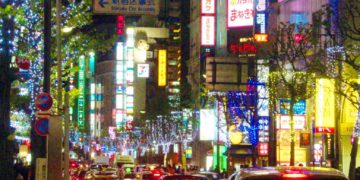
If you ask a Tokyo local where they’re going after work, chances are they’ll say, “Izakaya.”
An izakaya isn’t just a place to eat or drink. It’s a culture, a ritual, and a cornerstone of Japanese social life.
Izakaya (居酒屋) are casual Japanese pubs where people gather to eat, drink, laugh, and bond.
Not as formal as restaurants, not as wild as bars—they’re perfectly in between.
And for first-timers, they can seem exciting but also a little confusing.
In this guide, you’ll learn how to dive into the real izakaya experience—like a local.
1. What Exactly Is an Izakaya?
- Literal meaning: “I” (stay) + “Sakaya” (sake shop)
- Concept: Originally, sake shops where customers could drink on-site with small snacks.
Modern izakaya vary wildly:
- Tiny mom-and-pop places
- Massive chain izakaya with 100+ seats
- Sleek modern tapas-style izakaya
- Special-themed spots (seafood, yakitori, craft beer)
But all share the same soul: eating, drinking, and socializing without pretense.
2. Why Izakaya Are Special in Japanese Culture
A. Community over Individualism
At an izakaya, you don’t sit in isolated booths—you share spaces, stories, and sometimes food.
Locals drop social formality here more than anywhere else.
B. The Work-Life Decompression Chamber
After long days of polite professionalism, many salarymen, office ladies, and even students release their stress at izakaya.
You’ll see:
- Suits loosened
- Loud laughter
- Playful teasing
It’s a socially accepted way to let loose while maintaining respect.
C. Food and Drink as Social Glue
In Japan, it’s not “drinking to get drunk.”
It’s “drinking to deepen bonds.”
3. Types of Izakaya You Might Encounter
| Type | Description |
|---|---|
| Traditional Local Izakaya | Wooden interiors, hand-written menus, salaryman crowds |
| Chain Izakaya | Affordable, large menus, English menus often available |
| Stylish Modern Izakaya | Trendy design, fusion food, craft drinks |
| Themed Izakaya (Niche) | Ninja, prison, horror themes, cosplay waitstaff |
| Seafood Izakaya | Fresh sashimi, grilled fish, seasonal specialties |
| Yakitori-focused Izakaya | Grilled chicken skewers, cozy smoke-filled air |
4. Step-by-Step: How to Navigate Your First Izakaya Visit
Step 1: Enter and Greet
Say a loud “Irasshaimase!” back if staff greet you loudly—it’s polite.
(But don’t worry, most locals just nod and smile.)
Step 2: Get Seated
- Counter seats: Solo travelers, casual vibe
- Table seats: Small groups
- Tatami rooms: For larger groups or traditional feel
Some places charge a seating fee (otoshi)—around ¥300–¥500.
You’ll get a tiny appetizer (think pickled veggies or potato salad).
Don’t be surprised. It’s standard practice.
Step 3: Order Drinks First
In Japan, it’s tradition to start drinking before ordering food.
Most common first drink:
- Beer (“Nama bīru” = draft beer)
- Lemon sour (shochu + lemon soda)
- Highball (whiskey soda)
Fun phrase: “Toriaezu nama!”
(“For now, let’s start with beers!”)
Step 4: Then Order Food (Gradually)
Unlike Western dining, you don’t order everything at once.
At izakaya, food is ordered little by little, often shared among the group.
Start with:
- Edamame (salted soybeans)
- Karaage (fried chicken)
- Sashimi
- Yakitori (grilled skewers)
Then move into:
- Heavier dishes (hot pots, noodles, grilled fish)
Flexible and casual is the key.
Step 5: Eat, Drink, Laugh
Izakaya are noisy—and that’s good!
It’s normal to:
- Laugh loudly
- Toast repeatedly (“Kanpai!”)
- Call servers over with a gentle “Sumimasen!”
If a neighbor strikes up conversation, join in.
Izakaya are melting pots, not bubbles.
Step 6: Ending the Night (Shime)
Every proper izakaya night ends with a “shime” dish:
- Ramen
- Udon
- Ochazuke (rice in green tea broth)
Myth: Ramen is only for drunk people.
Reality: Everyone does shime, drunk or not. It’s about ritual.
5. Top Foods You Must Try at an Izakaya
1. Karaage (Japanese Fried Chicken)
Crispy outside, juicy inside.
Pairs perfectly with beer.
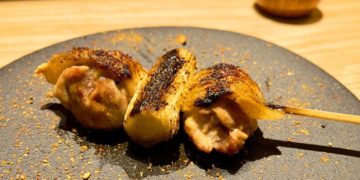
2. Yakitori (Grilled Chicken Skewers)
- Negima: chicken + green onion
- Tsukune: minced meatball
- Tebasaki: wings
Best with a simple sprinkle of salt.
3. Agedashi Tofu (Deep-Fried Tofu in Broth)
Soft, savory, melts in your mouth.
4. Sashimi (Raw Fish Slices)
- Tuna, salmon, mackerel
- Served with fresh wasabi and soy sauce
5. Nabe (Hot Pot)
- Winter favorite
- Shareable dish: meat, tofu, vegetables simmered together.
6. What to Drink at an Izakaya
| Drink | Why It’s Great |
|---|---|
| Beer | Light, social starter |
| Lemon Sour | Refreshing, tangy, easy to drink |
| Highball | Crisp, not too strong |
| Sake | Rich, pairs well with traditional foods |
| Shochu | Stronger, often mixed with oolong tea |
| Umeshu (Plum Wine) | Sweet and smooth, good for beginners |
7. Izakaya Etiquette Tips
- Kanpai before drinking: Wait for the first toast.
- Don’t pour your own drink: Fill others’ glasses; they’ll fill yours.
- No tipping: Service charge is usually included.
- Sharing is normal: Use communal chopsticks if provided.
- Ordering system: Call staff with “Sumimasen!”—no need to wait passively.
8. Budget Breakdown for a Typical Izakaya Night
| Item | Estimated Cost (JPY) |
|---|---|
| Drink (Beer or Highball) | ¥400–¥600 |
| 3–4 Small Dishes | ¥1,500–¥2,500 |
| Main Course (Nabe/Ramen) | ¥700–¥1,200 |
| Shime Dish | ¥500–¥800 |
| Seating Fee (Otoshi) | ¥300–¥500 |
| Total per Person | ~¥3,000–¥5,000 |
A delicious, lively night without breaking the bank.
Conclusion
Stepping into an izakaya isn’t just about filling your stomach—it’s about stepping into Japanese life at its most relaxed and human.
The laughter, the clinking glasses, the sizzling yakitori, the random chat with a stranger—it’s all part of the magic.
Forget Michelin stars and formal etiquette.
If you want to feel Tokyo’s real heartbeat,
find a glowing lantern, slide open the door, and shout “Sumimasen!” with a smile.
Because in Japan, the best memories are made standing over small plates, not sitting at fancy tables.