








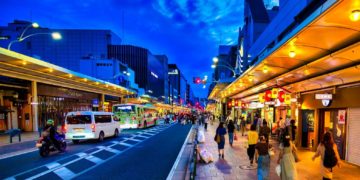
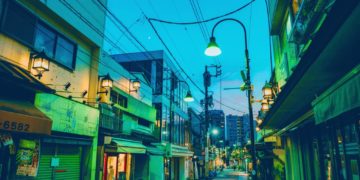


Introduction: Kyoto’s Spiritual Heartbeat After Dark
When the sun sets behind the mountains surrounding Kyoto, a different city awakens.
The tourist crowds thin out, neon signs flicker to life—and ancient temples, mossy cemeteries, and hidden alleys take on a life of their own.
Kyoto at night feels timeless.
It’s not hard to believe that spirits walk its streets, that the rustle in the bamboo grove might not be the wind, and that the faint figure at the corner of your eye might be something… else.
Tonight, let’s explore Kyoto’s haunted side—a city where the line between past and present, living and dead, is delightfully thin.
1. Famous Ghost Sites in Kyoto
Kyoto’s rich history has birthed countless ghost stories.
Here are some places where those whispers of the past still feel close:
1. Kiyomizu-dera Temple (清水寺)
Background:
Founded in 778, Kiyomizu-dera is one of Kyoto’s most iconic temples.
Ghostly Element:
- In Edo times, it was believed that jumping off the Kiyomizu stage and surviving would grant a wish.
- Those who failed? Their restless spirits are said to linger nearby.
At Night:
- Seasonal night illuminations make the temple glow ethereally.
- The darkness between the lights feels thick with unseen presences.
2. Rokudo Chinno-ji Temple (六道珍皇寺)
Background:
A small, quiet temple in Higashiyama. But spiritually, it’s a massive gateway—the place where the worlds of the living and dead meet.
Legends:
- Believed to sit at the boundary between this world and the afterlife.
- Travelers used to pray here before long journeys, fearing they might never return.
Notable Feature:
- “Rokudo no Tsuji” (六道の辻) nearby: a crossroads where spirits are said to gather.
Current Experience:
- Every August during Obon, locals visit to pray for deceased ancestors, maintaining a living link with the dead.
3. Ichijo Modoribashi Bridge (一条戻橋)
Background:
An ordinary-looking bridge—but famous as a place where the dead have returned to life.
Legends:
- Samurai warriors crossed the bridge back from death.
- The bridge was historically associated with resurrection and spirit crossings.
Modern Feeling:
- Even today, many people refuse to walk across it after dark.
In Kyoto, a simple bridge might carry centuries of sorrow and hope.
2. The Role of Spirits in Kyoto’s Ancient Culture
Kyoto’s long history intertwines politics, religion, and spirituality.
The result? Spirits are not just scary—they’re an everyday part of the city’s soul.
Heian Period (794–1185):
- Court nobles lived in fear of “onryo” (怨霊)—vengeful spirits.
- Major disasters (plagues, fires) were often blamed on angry ghosts.
Measures Taken:
- Building shrines (like Kitano Tenmangu) to appease specific spirits.
- Holding grand rituals to calm restless souls.
Kyoto was essentially built with ghost management in mind.
Every temple, shrine, and ritual acknowledges the presence of the unseen.
3. Modern Kyoto Ghost Tours and Nighttime Rituals
Today, Kyoto’s haunted reputation continues—not just through folklore, but real experiences you can join.
Kyoto Ghost Walking Tours
- Led by local storytellers and historians.
- Routes include ancient cemeteries, old samurai districts, and hidden shrines.
- Emphasis on real historical tragedies, not just invented horror.
Walking Kyoto’s silent streets at night feels like slipping into a parallel world.
Seasonal Events
- Obon Festivals (August): Lanterns float down rivers to guide spirits home.
- Gozan no Okuribi (五山送り火):
- Massive bonfires shaped like kanji characters are lit on Kyoto’s mountains.
- Purpose: To send spirits back to the afterlife after Obon.
Watching the glowing “大” (meaning “great”) blaze on Daimonji-yama is a stunning, moving experience.
Haunted Temples and Nighttime Openings
Some temples hold limited nighttime openings with:
- Candle-lit paths
- Special ghost-story performances
- Prayer rituals for ancestral spirits
These aren’t designed as theme park horror—they’re spiritual, beautiful, and slightly chilling experiences rooted in centuries-old traditions.
4. Unique Kyoto Ghost Legends You Might Not Know
Besides the famous temples and events, Kyoto has countless lesser-known but spine-tingling tales:
A. The Grudge of Sugawara no Michizane
- A noble exiled unfairly by political rivals.
- After his death, Kyoto was rocked by storms, fires, and deaths.
- In fear, the emperor built Kitano Tenmangu Shrine to appease Michizane’s furious spirit.
Moral: Never underestimate a scholar scorned.
B. The Silent Procession of the 36 Ghosts
- An Edo-period painting depicts 36 different famous ghosts.
- These spirits were said to march through Kyoto during certain nights, invisible to most—but not all.
Today:
You can find references to these spirits at Gion festivals and small neighborhood shrines.
C. The Tale of the Ubume
- A spirit of a woman who died during childbirth.
- Wanders Kyoto’s alleys, seeking help for her lost child.
- Represented in stone statues often seen quietly tucked into street corners.
5. Conclusion: Kyoto, Where Past and Present Coexist After Sunset
In Kyoto, ghosts are not anomalies—they’re part of the landscape.
They live in the misty streets, in the sigh of the wind through temple gates, in the faint smell of incense carried by the night air.
By day, Kyoto dazzles with beauty.
But by night, Kyoto whispers.
- It reminds visitors that every stone, every bridge, every path has stories.
- That spirits are not always to be feared—but listened to, respected, and sometimes even celebrated.
So when you visit Kyoto, stay out after dark.
Let the past brush against your sleeve.
Walk gently—and listen for the footsteps that are not your own.