









For many travelers, Japan conjures images of bullet trains, anime, and polite society. But tucked beneath that surface lies a lesser-known subculture—Japan’s rebellious youth. While not as prominent as in the past, groups like “yankii” (delinquent teens) and remnants of “bosozoku” (biker gangs) continue to fascinate and occasionally intimidate.
Are these groups dangerous? Or are they just misunderstood symbols of rebellion? This article dives into who they are, where you might encounter them, and whether you should worry—or simply observe with curiosity.
1. Who Are the “Yankii” and “Bosozoku”?
🧢 Yankii:
A term used to describe rebellious, working-class teens who reject Japan’s strict academic and social norms. Recognizable by:
- Bleached or brightly dyed hair
- Customized school uniforms (long skirts, baggy pants)
- Loud attitudes and group behavior
🏍️ Bosozoku:
Outlaw biker gangs, popular in the 1980s–1990s, known for:
- Loud motorcycles with modified mufflers
- Military-style or flashy uniforms
- Parading in convoys while revving engines, shouting slogans
While bosozoku numbers have decreased drastically due to police crackdowns, traces of their culture survive through aesthetics and nostalgia.
2. Where You Might Encounter Them
Most tourists never see these groups—but they still exist, especially in certain areas:
🗾 Regional Hotspots:
- Saitama and Chiba (near Tokyo): Known for street racers and yankii kids
- Osaka and Kobe: Youth fashion subcultures intersect with working-class pride
- Fukuoka: One of the few regions where bosozoku-style bike runs occasionally occur
🕛 When?
- Late nights (weekends especially)
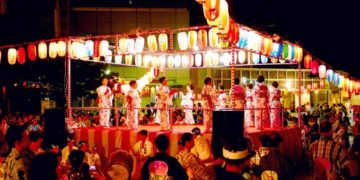
- Summer festivals or fireworks events
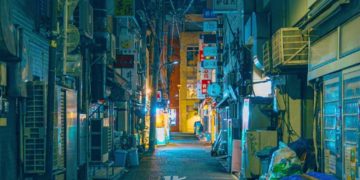
- Quiet suburban stations or parking lots after midnight
3. Are They Dangerous to Foreigners?
In most cases, no. These groups rarely target tourists and are more focused on posturing, territory, or rivalries.
However, caution is still advised:
- Don’t stare, photograph, or laugh at them—this may be seen as provocation
- Avoid confronting any group blocking sidewalks or entryways
- If approached, remain calm and non-confrontational
Their presence can be intimidating, but physical confrontations are rare.
4. What’s Behind the Yankii Mentality?
Yankii culture is a form of rebellion against:
- Rigid academic expectations
- Corporate career paths
- Social conformity
Instead, they value:
- Loyalty to their group or partner
- Pride in working-class identity
- Individual expression through fashion and attitude
It’s not just delinquency—it’s a cultural statement for some.
5. Bosozoku: From Lawless to Nostalgic
Bosozoku peaked in the 1980s, with thousands of members and strong links to organized crime (Yakuza). Today, most are defunct—but the culture lives on in:
- Manga and anime (e.g., Tokyo Revengers, Great Teacher Onizuka)
- Fashion brands mimicking their style
- Classic car and bike enthusiast communities
Some old bosozoku members have turned to community work or run businesses based on their “bad boy” legacy.
6. Should You Avoid Certain Areas?
You don’t need to avoid entire cities, but be mindful in:
- Small suburban train stations after midnight
- Large parking lots with revving bikes and crowds
- Festivals in rural towns known for youth trouble
If in doubt, head to a nearby convenience store or station staff for guidance.
7. Street Photography & Respect
Street photographers often find yankii fashion or scenes fascinating. If you’re tempted:
- Never take photos without consent
- If photographing events, focus on context—not faces
- Some youth are proud to pose if approached respectfully
8. What to Do If You Feel Unsafe
- Step into a conbini (open 24/7 and always safe)
- Call 110 if threatened
- Avoid engaging or talking back—leave the area calmly
Conclusion: A Glimpse of Japan’s Shadow Culture
Yankii and bosozoku culture may be declining, but their echoes linger in alleyways, late-night streets, and the cultural memory of Japan. For curious travelers, these groups offer a glimpse into the country’s rebellious edge—one that stands in contrast to its polished exterior.
Respect their space, know your boundaries, and you’ll gain insight into a Japan few tourists ever see.
📎 Discover more subcultural insights at: https://afterdarkjapan.com