










• About
  • Privacy Policy
Monday, March 2, 2026
Japan Night Life
  • Login
  • Home
  • Travel Ideas
    Japan’s Top Hot Springs: A Deep Dive into Atami, Beppu, Kusatsu, Nasu & Shirahama

    Japan’s Top Hot Springs: A Deep Dive into Atami, Beppu, Kusatsu, Nasu & Shirahama

    Safe Solo Bar-Hopping Routes for Women Travelers in Tokyo

    Safe Solo Bar-Hopping Routes for Women Travelers in Tokyo

    Tokyo’s Most Creative Themed Bars — Beyond Ordinary Nights

    Tokyo’s Most Creative Themed Bars — Beyond Ordinary Nights

    Rooftop Bars with a View: Tokyo & Beyond — Ultimate Guide for International Visitors

    Rooftop Bars with a View: Tokyo & Beyond — Ultimate Guide for International Visitors

    Foreign-Friendly Karaoke in Tokyo: Your Ultimate English-Supportive Guide

    Foreign-Friendly Karaoke in Tokyo: Your Ultimate English-Supportive Guide

    Japan’s Hidden Gem: Free Information Centers – Your Gateway to Authentic Nightlife Experiences

    Japan’s Hidden Gem: Free Information Centers – Your Gateway to Authentic Nightlife Experiences

  • Food & Drink
    Tokyo’s Best Burgers: From Craft to Comfort—Top 5 Picks

    Tokyo’s Best Burgers: From Craft to Comfort—Top 5 Picks

    Tokyo’s Pizza Scene: Art, Craft, and the Top 5 Destinations

    Tokyo’s Pizza Scene: Art, Craft, and the Top 5 Destinations

    Osaka Yakitori: Top 5 Must-Visit Skewer Spots

    Osaka Yakitori: Top 5 Must-Visit Skewer Spots

    Safe Solo Bar-Hopping Routes for Women Travelers in Tokyo

    Safe Solo Bar-Hopping Routes for Women Travelers in Tokyo

    Tokyo’s Most Creative Themed Bars — Beyond Ordinary Nights

    Tokyo’s Most Creative Themed Bars — Beyond Ordinary Nights

    Tokyo’s “Writer-Editor’s Pick” Venues — 5 Hidden Gems That Locals Love

    Tokyo’s “Writer-Editor’s Pick” Venues — 5 Hidden Gems That Locals Love

  • Destination
    Japan’s Top Hot Springs: A Deep Dive into Atami, Beppu, Kusatsu, Nasu & Shirahama

    Japan’s Top Hot Springs: A Deep Dive into Atami, Beppu, Kusatsu, Nasu & Shirahama

    Caution After Dark: What Travelers Should Know About Regional Nightlife in Japan

    Caution After Dark: What Travelers Should Know About Regional Nightlife in Japan

    Staying Safe in Tokyo: What Foreign Travelers Should Know About Shin-Okubo & Kabukicho at Night

    Staying Safe in Tokyo: What Foreign Travelers Should Know About Shin-Okubo & Kabukicho at Night

    Kawaramachi Shadows: Kyoto’s Indie Bars Beneath the Tourist Trail

    Kawaramachi Shadows: Kyoto’s Indie Bars Beneath the Tourist Trail

    Yanaka After Hours: Tokyo’s Quietest District with the Deepest Soul

    Yanaka After Hours: Tokyo’s Quietest District with the Deepest Soul

    Kuramae After Dark: Tokyo’s Craft Capital Turns Cocktail Lab

    Kuramae After Dark: Tokyo’s Craft Capital Turns Cocktail Lab

  • Culture
No Result
View All Result
  • Home
  • Travel Ideas
    Japan’s Top Hot Springs: A Deep Dive into Atami, Beppu, Kusatsu, Nasu & Shirahama

    Japan’s Top Hot Springs: A Deep Dive into Atami, Beppu, Kusatsu, Nasu & Shirahama

    Safe Solo Bar-Hopping Routes for Women Travelers in Tokyo

    Safe Solo Bar-Hopping Routes for Women Travelers in Tokyo

    Tokyo’s Most Creative Themed Bars — Beyond Ordinary Nights

    Tokyo’s Most Creative Themed Bars — Beyond Ordinary Nights

    Rooftop Bars with a View: Tokyo & Beyond — Ultimate Guide for International Visitors

    Rooftop Bars with a View: Tokyo & Beyond — Ultimate Guide for International Visitors

    Foreign-Friendly Karaoke in Tokyo: Your Ultimate English-Supportive Guide

    Foreign-Friendly Karaoke in Tokyo: Your Ultimate English-Supportive Guide

    Japan’s Hidden Gem: Free Information Centers – Your Gateway to Authentic Nightlife Experiences

    Japan’s Hidden Gem: Free Information Centers – Your Gateway to Authentic Nightlife Experiences

  • Food & Drink
    Tokyo’s Best Burgers: From Craft to Comfort—Top 5 Picks

    Tokyo’s Best Burgers: From Craft to Comfort—Top 5 Picks

    Tokyo’s Pizza Scene: Art, Craft, and the Top 5 Destinations

    Tokyo’s Pizza Scene: Art, Craft, and the Top 5 Destinations

    Osaka Yakitori: Top 5 Must-Visit Skewer Spots

    Osaka Yakitori: Top 5 Must-Visit Skewer Spots

    Safe Solo Bar-Hopping Routes for Women Travelers in Tokyo

    Safe Solo Bar-Hopping Routes for Women Travelers in Tokyo

    Tokyo’s Most Creative Themed Bars — Beyond Ordinary Nights

    Tokyo’s Most Creative Themed Bars — Beyond Ordinary Nights

    Tokyo’s “Writer-Editor’s Pick” Venues — 5 Hidden Gems That Locals Love

    Tokyo’s “Writer-Editor’s Pick” Venues — 5 Hidden Gems That Locals Love

  • Destination
    Japan’s Top Hot Springs: A Deep Dive into Atami, Beppu, Kusatsu, Nasu & Shirahama

    Japan’s Top Hot Springs: A Deep Dive into Atami, Beppu, Kusatsu, Nasu & Shirahama

    Caution After Dark: What Travelers Should Know About Regional Nightlife in Japan

    Caution After Dark: What Travelers Should Know About Regional Nightlife in Japan

    Staying Safe in Tokyo: What Foreign Travelers Should Know About Shin-Okubo & Kabukicho at Night

    Staying Safe in Tokyo: What Foreign Travelers Should Know About Shin-Okubo & Kabukicho at Night

    Kawaramachi Shadows: Kyoto’s Indie Bars Beneath the Tourist Trail

    Kawaramachi Shadows: Kyoto’s Indie Bars Beneath the Tourist Trail

    Yanaka After Hours: Tokyo’s Quietest District with the Deepest Soul

    Yanaka After Hours: Tokyo’s Quietest District with the Deepest Soul

    Kuramae After Dark: Tokyo’s Craft Capital Turns Cocktail Lab

    Kuramae After Dark: Tokyo’s Craft Capital Turns Cocktail Lab

  • Culture
No Result
View All Result
Japan Night Life
No Result
View All Result
Home Culture

Koryoriya: The Intimate Heart of Japanese Dining

2025-05-20
in Culture, Destination, Food & Drink
0 0
0

Introduction: More Than Just a Meal

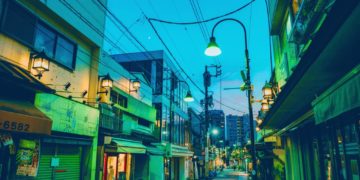
Wander down a quiet alleyway in Tokyo or Kyoto, and you may stumble upon a softly lit entrance, often marked only by a noren curtain and a small wooden sign. Step inside, and you’ll find no bustling crowd, no printed menus, and no rush. This is a koryoriya (小料理屋)—a small, deeply personal dining space that represents one of Japan’s most soulful and underrated culinary traditions.

For visitors accustomed to the flash of sushi counters or the fanfare of izakaya, a koryoriya can feel mysterious, even intimidating. But to those who know, it offers something that mass-market restaurants never can: quiet intimacy, heartfelt cooking, and genuine connection.

This article explores the history, essence, and experience of Japan’s koryoriya. Whether you’re a culinary traveler or a culture-seeker, learning about these quiet sanctuaries will deepen your appreciation for Japanese food culture far beyond the surface.


1. What Is a Koryoriya?

Koryoriya is often translated as “small dishes restaurant” or “little cooking shop,” but neither phrase captures its full meaning. It is typically a:

  • Small, independent restaurant (often family-run)
  • Featuring home-style Japanese cuisine (ryōri = cooking)
  • Serving a limited number of guests (usually under 20)
  • With the owner or chef often handling both cooking and service

Unlike izakaya, which are lively and designed for drinking and group gatherings, koryoriya is quiet, elegant, and often run with the refined but warm touch of an experienced proprietor—often a woman, affectionately called “okami” (女将).

Menus are typically absent or handwritten. Dishes change daily based on what’s fresh and seasonal. It’s a culinary experience without pretense, yet rich in care.


2. Historical and Cultural Background

The emergence of koryoriya can be traced to post-World War II Japan, when many women who had lost family members or means of income opened small kitchens to support themselves and their communities. These women were often excellent cooks, and their culinary skills were honed in domestic, not professional, settings.

Rather than commercializing their food, they offered a familiar comfort—a taste of home in the middle of a transforming society.

Over time, these establishments came to reflect a distinct cultural role:

  • Female-led craftsmanship in a male-dominated dining world
  • Neighborhood fixtures that offered nourishment and conversation
  • Venues for emotional and social support—especially for salarymen seeking quiet after work

Though fewer in number today, modern koryoriya retain this essence.


3. Core Characteristics

What sets a koryoriya apart from other dining establishments?

FeatureDescription
Size6–20 seats, often a counter and one or two small tables
Chef-Server UnityOften one person prepares, plates, and serves the food
Menu StyleSeasonal and handwritten, or entirely omakase (chef’s choice)
AmbienceCalm, often with soft music or complete quiet
DecorMinimalist: wood counters, vintage dishware, seasonal flower arrangements
ClienteleRegulars, solo diners, neighborhood locals, and “in-the-know” gourmands

This is not the place to come if you’re seeking variety, noise, or Instagrammable moments. But it is ideal for those wanting a more thoughtful, reflective dining experience.


4. What’s on the Menu?

Menus vary by location, season, and chef’s style, but common themes include:

  • Nimono (煮物): Simmered vegetables or meats
  • Sunomono (酢の物): Light vinegared salads
  • Tsukemono (漬物): Housemade pickles
  • Grilled fish or tofu
  • Sashimi (when available)
  • Seasonal specialties: Bamboo shoots in spring, chestnuts in autumn, etc.

The food is often:

  • Light and healthy, but satisfying
  • Crafted with care, not flair
  • Paired with sake or shochu, not necessarily a wide alcohol selection

The goal is harmony—between the ingredients, the season, and the mood of the diner.


5. Where Can You Find Koryoriya?

Though more hidden than izakaya, koryoriya exist in most cities and even rural towns. Common areas include:

Tokyo

  • Kagurazaka: Known for narrow lanes and traditional eateries
  • Ebisu & Meguro: Upscale neighborhoods with long-standing koryoriya
  • Kanda & Nihonbashi: Office workers and old-school clientele

Kyoto

  • Gion & Pontocho: High-end, seasonal koryoriya with geisha clientele
  • Shimogamo: Residential koryoriya run by retired chefs or home cooks

Osaka

  • Kitashinchi: Where kappo meets koryoriya
  • Tenma: Known for hidden gems tucked in alleys

Even in Hokkaido, Kyushu, and rural Japan, you’ll find beloved neighborhood koryoriya passed down through generations.


6. How Do Japanese People Use Koryoriya?

These spots hold sentimental value for locals:

  • Solo Diners: The counter setup and quiet atmosphere make it perfect for those eating alone
  • After-Work Relaxation: A place to unwind without the party atmosphere of an izakaya
  • Neighborhood Bonding: Regulars often know the okami and other patrons by name
  • Special Occasions: Birthdays, anniversaries, quiet celebrations
  • Comfort Seeking: A culinary equivalent of visiting family

Many Japanese patrons return to the same koryoriya for decades—sometimes for the food, often for the person behind the counter.


7. Koryoriya vs. Other Japanese Dining

TypeKey Differences
IzakayaLouder, group-oriented, alcohol-focused
KaisekiFormal, course-based, highly ceremonial
KappoRefined, chef-driven, interactive
Sushi CounterIngredient-focused, more transactional
KoryoriyaPersonal, homey, emotionally resonant

Koryoriya sits in a unique place between hospitality and artistry, offering depth through simplicity.


8. For Foreign Visitors: How to Approach

Some koryoriya are hesitant to serve foreigners due to language barriers or cultural misunderstandings, but many welcome polite and respectful travelers.

Tips:

  • Learn basic Japanese phrases (e.g., “Omakase onegaishimasu”)
  • Go with a local if possible
  • Be flexible: there may be no English menu
  • Avoid loud conversation or phone use
  • Don’t overstay—many are run by older proprietors who close early

Some koryoriya are becoming more accessible thanks to guidebooks, word of mouth, and services like Pocket Concierge.


9. The Future of Koryoriya

Like many traditional establishments, koryoriya face challenges:

  • Aging proprietors without successors
  • Rising rent in urban areas
  • Difficulty appealing to younger generations

However, there is a small resurgence driven by:

  • Young chefs opening modernized koryoriya
  • Tourist interest in authentic, “hidden” experiences
  • Media coverage highlighting the art of omotenashi

Some are now fusing traditional elements with contemporary touches, offering vegetarian menus or craft sake pairings.


Conclusion: The Soul of Japanese Home Dining

Koryoriya are not glamorous. They are not fast. They are not flashy.

But they are among the most authentic, human, and enduring forms of Japanese dining. For those who want to understand not just what Japanese people eat, but how they eat when they want to feel cared for, understood, and at peace—there’s no better place than a tiny koryoriya with a good-hearted okami and a plate of simmered daikon.

📎 Discover more hidden gems of Japanese nightlife and culture at: https://afterdarkjapan.com

TweetShareScan
Previous Post

Kappo Cuisine: Artful Dining at the Counter

Next Post

Tipping, Service, and Hospitality in Japan: Understanding Value without Gratuity

Related Posts

Japan’s Top Hot Springs: A Deep Dive into Atami, Beppu, Kusatsu, Nasu & Shirahama
Destination

Japan’s Top Hot Springs: A Deep Dive into Atami, Beppu, Kusatsu, Nasu & Shirahama

2025-08-25
Tokyo’s Best Burgers: From Craft to Comfort—Top 5 Picks
Food & Drink

Tokyo’s Best Burgers: From Craft to Comfort—Top 5 Picks

2025-08-22
Tokyo’s Pizza Scene: Art, Craft, and the Top 5 Destinations
Food & Drink

Tokyo’s Pizza Scene: Art, Craft, and the Top 5 Destinations

2025-08-22
Osaka Yakitori: Top 5 Must-Visit Skewer Spots
Food & Drink

Osaka Yakitori: Top 5 Must-Visit Skewer Spots

2025-08-21
Caution After Dark: What Travelers Should Know About Regional Nightlife in Japan
Culture

Caution After Dark: What Travelers Should Know About Regional Nightlife in Japan

2025-08-19
Staying Safe in Tokyo: What Foreign Travelers Should Know About Shin-Okubo & Kabukicho at Night
Culture

Staying Safe in Tokyo: What Foreign Travelers Should Know About Shin-Okubo & Kabukicho at Night

2025-08-19
Next Post
Tipping, Service, and Hospitality in Japan: Understanding Value without Gratuity

Tipping, Service, and Hospitality in Japan: Understanding Value without Gratuity

Leave a Reply Cancel reply

Your email address will not be published. Required fields are marked *

  • Trending
  • Comments
  • Latest
Japan’s Red-Light Districts: What’s Legal, What’s Not, and Where to Tread Carefully

Japan’s Red-Light Districts: What’s Legal, What’s Not, and Where to Tread Carefully

2025-05-13
After Dark in Kabukicho: The Real Stories Behind Okubo Park and Tokyo’s Late-Night Youth

After Dark in Kabukicho: The Real Stories Behind Okubo Park and Tokyo’s Late-Night Youth

2025-04-23
Hostess Clubs Explained: A Cultural Experience or Tourist Trap?

From Girls Bars to Ginza Clubs: Understanding Japan’s Hostess Venues

2025-04-23
What’s on Japanese TV at Night? A Guide to Late Evening Entertainment

What’s on Japanese TV at Night? A Guide to Late Evening Entertainment

2025-04-23
What’s on Japanese TV at Night? A Guide to Late Evening Entertainment

What’s on Japanese TV at Night? A Guide to Late Evening Entertainment

0
How Japanese Families Spend Their Evenings: Quiet Joys and Simple Outings

How Japanese Families Spend Their Evenings: Quiet Joys and Simple Outings

0
How Japanese Couples Really Spend Their Evenings in Tokyo

How Japanese Couples Really Spend Their Evenings in Tokyo

0
Date Night in Tokyo: Romantic Things for Couples to Do After Dark

Date Night in Tokyo: Romantic Things for Couples to Do After Dark

0
Japan’s Top Hot Springs: A Deep Dive into Atami, Beppu, Kusatsu, Nasu & Shirahama

Japan’s Top Hot Springs: A Deep Dive into Atami, Beppu, Kusatsu, Nasu & Shirahama

2025-08-25
Tokyo’s Best Burgers: From Craft to Comfort—Top 5 Picks

Tokyo’s Best Burgers: From Craft to Comfort—Top 5 Picks

2025-08-22
Tokyo’s Pizza Scene: Art, Craft, and the Top 5 Destinations

Tokyo’s Pizza Scene: Art, Craft, and the Top 5 Destinations

2025-08-22
Osaka Yakitori: Top 5 Must-Visit Skewer Spots

Osaka Yakitori: Top 5 Must-Visit Skewer Spots

2025-08-21
Japan Night Life

© 2025 JAPAN NIGHT LIFE All Rights Reserved.

Navigate Site

  • About
  • Privacy & Policy

Follow Us

Welcome Back!

Login to your account below

Forgotten Password?

Retrieve your password

Please enter your username or email address to reset your password.

Log In
No Result
View All Result
  • Home
  • Travel Ideas
  • Food & Drink
  • Destination
  • Culture

© 2025 JAPAN NIGHT LIFE All Rights Reserved.