













Introduction: What Makes an Izakaya Experience Unique?
An izakaya is more than just a place to eat—it’s a cornerstone of Japanese nightlife. Somewhere between a bar and a casual restaurant, izakayas are places where people gather after work, meet friends, or unwind after a long day. The atmosphere is casual, sometimes lively, and always welcoming.
Dishes are small, meant for sharing, and go hand in hand with alcohol, especially beer, sake, and shochu. The food varies widely from region to region and from place to place, but there are always a few common staples.
Whether you’re a tourist stepping into your first local izakaya or a seasoned foodie looking for the most authentic bites, this guide will walk you through the essential food items on any classic izakaya menu, including pro tips, cultural insights, and pairings that locals love.
1. Yakitori (焼き鳥)
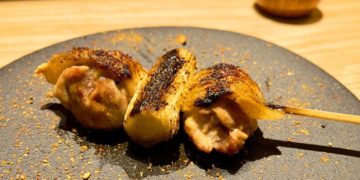
Grilled chicken skewers, cooked over charcoal and seasoned with either salt (shio) or tare (sweet soy sauce-based glaze). Each part of the chicken is used, resulting in a menu that can include over 20 different skewers.
Popular parts include:
- Momo (thigh): Juicy and flavorful
- Negima (thigh with scallion): A perfect balance of meat and sharpness
- Tsukune (chicken meatball): Often served with raw egg yolk for dipping
- Reba (liver): Rich and creamy, for adventurous eaters
- Bonjiri (chicken tail): Fatty and crispy
Pro Tip: Order a mix plate to try several at once. Goes best with beer or highballs.
2. Sashimi (刺身)
While sushi gets most of the international fame, sashimi—slices of fresh raw fish served without rice—is a staple in many izakayas. Look for:
- Maguro (tuna)
- Sake (salmon)
- Hamachi (yellowtail)
- Aji (horse mackerel)
- Katsuo (bonito), often served tataki-style (lightly seared)
Seasonal Specials: Depending on the time of year, you may encounter delicacies like shirako (cod milt) or ika (squid) served raw.
Pairing: Sake or dry shochu brings out the umami of raw fish.
3. Agedashi Tofu (揚げ出し豆腐)
Deep-fried tofu served in a light dashi broth with grated daikon, scallions, and bonito flakes. The texture contrast—crispy on the outside, soft inside—makes this dish a comforting favorite.
Cultural Note: A classic winter favorite but enjoyed year-round. A symbol of home-style Japanese cooking.
4. Karaage (唐揚げ)
Japanese-style fried chicken, marinated in soy sauce, garlic, and ginger before being fried to golden perfection. It’s crisp outside, juicy inside, and universally loved.
Serving Tips: Often paired with lemon wedges, shredded cabbage, or Kewpie mayo.
5. Edamame (枝豆)
Boiled and lightly salted young soybeans in their pods. Simple, healthy, and the default beer snack across Japan. Served hot or cold.
Regional Twist: In some places, you’ll find garlic or chili-spiced edamame as a variation.
6. Nasu Dengaku (なす田楽)
Grilled Japanese eggplant brushed with a sweet-savory miso glaze. The miso is often made from red or white miso mixed with mirin and sugar.
Presentation: Usually halved lengthwise, garnished with sesame seeds and scallions.
Best With: Dry sake, which balances the sweetness.
7. Gyoza (餃子)
Pan-fried dumplings filled with minced pork, cabbage, garlic, and chives. Crispy on one side and juicy inside, served with dipping sauce (soy + vinegar + chili oil).
Alternative Styles:
- Age gyoza (deep-fried)
- Sui gyoza (boiled)
8. Takowasa (蛸のわさび)
Raw octopus marinated in wasabi. It’s chewy, sinus-clearing, and surprisingly addictive.
Context: Considered an otsumami (drinking snack). Usually served in small portions in ceramic or glass dishes.
9. Okonomiyaki (お好み焼き)
A savory pancake made with shredded cabbage, flour batter, and fillings like pork belly, shrimp, or cheese. Grilled on a hot plate and topped with okonomiyaki sauce, mayo, bonito flakes, and seaweed powder.
Regional Differences:
- Hiroshima-style: Layered with yakisoba noodles
- Osaka-style: Mixed all together
Pro Tip: Some izakayas let you grill it yourself at the table.
10. Oden (おでん)
A slow-cooked hot pot featuring boiled eggs, daikon radish, konnyaku, tofu, and fish cakes in a light soy-flavored dashi broth.
Seasonality: Mostly served during colder months but offered year-round at some traditional spots.
Street Food Link: Some konbini (convenience stores) even sell it.
11. Ochazuke (お茶漬け)
Rice topped with pickles, seaweed, and fish flakes, then soaked in hot green tea or dashi broth. A light, comforting way to end a meal.
Popular Variations:
- Umeboshi (pickled plum)
- Salmon flakes
- Tarako (cod roe)
12. Tamagoyaki (卵焼き)
Japanese-style rolled omelet. Sweet, savory, and perfectly layered. Typically made with a rectangular pan.
Fun Fact: Each chef’s version is different—some sweeter, some more savory. A good test of a chef’s skill.
13. Tsukemono (漬物)
Assorted Japanese pickles made from vegetables like cucumber, daikon, eggplant, and ginger. Served as a side dish or palate cleanser.
Types to Know:
- Takuan (yellow pickled daikon)
- Shibazuke (purple pickled cucumber/eggplant)
- Fukujinzuke (used with curry rice)
14. Nankotsu Karaage (軟骨唐揚げ)
Deep-fried chicken cartilage. Crispy, chewy, and a popular beer snack.
Texture Warning: For the adventurous eater. Crunchier than expected.
15. Hiyayakko (冷奴)
Chilled tofu served with toppings like grated ginger, bonito flakes, green onions, and soy sauce.
Summer Favorite: Refreshing and light, perfect with cold sake.
16. Dessert Options
Not every izakaya offers dessert, but when they do, you might find:
- Matcha ice cream
- Warabi mochi (bracken starch dumplings with kinako and syrup)
- Anmitsu (agar jelly with fruit and red bean)
- Zenzai (sweet red bean soup with mochi)
Note: In many traditional izakayas, dessert isn’t emphasized—drinks usually close the meal.
Conclusion: Share, Sip, and Savor
An izakaya is a place of casual joy, and its food reflects that spirit. The dishes are built for sharing, and the variety ensures there’s something for everyone—from raw fish lovers to deep-fried snackers and vegetarians alike.
Part of the fun is exploring new flavors and learning the rhythm of an izakaya evening: start with edamame and beer, move into skewers and hot dishes, then end with rice or soup and a final drink. If you’re unsure what to order, ask the staff for recommendations or check what neighboring tables are enjoying.
Next time you step into an izakaya, skip the familiar and try one or two new dishes. Whether it’s takowasa, oden, or grilled eggplant with miso, the flavors of Japan come alive best when shared over laughter, conversation, and a glass of something cold.
📎 More Japanese food and nightlife insights: https://afterdarkjapan.com