










Introduction
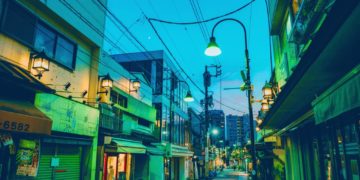
While Japan’s temples and shrines exude serenity, another equally authentic cultural world comes alive once the sun goes down—a vibrant one, full of rhythm, color, and connection. For travelers seeking more than sightseeing, Japan’s nighttime streets offer a chance to step into living traditions: wear a yukata, join a local dance, walk the same alleys geisha have for centuries, or soak in a steamy, neon-lit sento.
In this article, we dive into four immersive cultural experiences that come alive at night—each offering a blend of history, social interaction, and unforgettable atmosphere.
1. Nighttime Yukata Strolls and Photo Walks
Why Yukata at Night?
A yukata is a casual summer kimono made from light cotton. Wearing one not only transforms how you feel, but how people interact with you—locals smile, doors open, and your connection to Japan deepens.
At night, walking through lantern-lit streets or by riverbanks in a yukata enhances the mood: nostalgic, romantic, and somehow timeless.
Top Locations for Yukata Walks
- Kyoto (Gion & Pontocho): Cobblestone streets, willow trees, and geisha sightings.
- Tokyo (Asakusa at night): Sensoji Temple glows after dark; fewer crowds, more ambiance.
- Kanazawa (Higashi Chaya District): Traditional tea houses, golden light, and samurai-era charm.
Experience Ideas
- Yukata rental + photo tour (offered in multiple languages).
- Night-time guided strolls with local stories and history.
- Optional tea or sake stop at a machiya café.
Pro Tips
- Rent yukata in the late afternoon to maximize daylight and night photos.
- Some services offer couples’ or family plans—perfect for romantic evenings or group memories.
2. Bon Odori and Festival Dance Nights
The Tradition
Bon Odori is a style of communal dancing held during the Obon season (mid-July to mid-August), where locals honor ancestors through movement, music, and togetherness. The dance is easy to learn, repetitive, and designed to be inclusive—no skill required, just a smile and willingness to move.
Why It’s Perfect for Travelers:
You don’t need to speak Japanese. Just jump in, follow the locals, and enjoy. It’s not a performance—it’s participation.
Where to Experience It
- Koenji Awa Odori (Tokyo, August): Tokyo’s most energetic summer festival.
- Gujo Odori (Gifu, July–September): Dance all night until dawn in a mountain town.
- Kyoto Gozan Okuribi Festivals: Some neighborhoods hold smaller dances during this lantern festival.
What You’ll Find
- Yukata-clad locals, food stalls, traditional music with taiko drums and flutes.
- Beer in one hand, festival fan in the other.
Cultural Note
Joining a Bon Odori is not just fun—it’s deeply meaningful. It reflects community, impermanence, and joy.
3. Nighttime Geisha & Hanamachi Tours
What Is a Hanamachi?
A hanamachi (literally “flower town”) is a historic entertainment district where geisha (or geiko and maiko in Kyoto) live and perform. While daytime tours give architectural glimpses, night tours reveal the true heart of the district—when lanterns glow, shamisen echo through wooden alleys, and the floating world awakens.
What You Can Experience
- Guided walking tours with local historians or geisha culture specialists.
- Live geisha performances (some public, others by invitation).
- In some cities like Kanazawa or Kyoto, even private cultural experiences with music, dance, and games are available.
Where to Go
- Gion (Kyoto): Japan’s most iconic geisha district.
- Higashi Chaya (Kanazawa): Less crowded, very atmospheric.
- Shinbashi (Tokyo): The capital’s last remaining geisha quarter.
Do’s and Don’ts
- Do be respectful—geisha are not cosplay models.
- Don’t interrupt or photograph without permission unless it’s a public event.
- Do ask guides questions—they love sharing the history and context.
4. Sento Culture at Night: Soak Like a Local
Why Sento?
Sento are public bathhouses that have served Japan’s communities for centuries. Unlike upscale onsen, sento are urban, everyday spots where neighbors chat, unwind, and reset.
At night, they transform into steamy, neon sanctuaries—perfect after a long day of travel or dancing at a festival.
Modern Sento Culture
Many urban sento are evolving, hosting:
- DJ nights or jazz baths
- Art installations
- Craft beer vending machines
- Even tattoo-friendly hours
Where to Go
- Daikoku-yu (Tokyo, Sumida): Graffiti-style murals + rooftop sauna.
- Sakura-yu (Kyoto): Retro vibes + lemon baths + community events.
- Yanaka Ginza area sento (Tokyo): Combine with a street food crawl.
Etiquette Essentials
- Wash thoroughly before entering the bath.
- Don’t bring towels into the water.
- Tattoos are becoming more accepted, but check signage or online in advance.
Why Night Is Best
- Fewer people = quieter experience.
- Walking back under the stars in yukata = perfection.
- Some even offer midnight closing hours, ideal for jet-lagged travelers.
Tips for a Seamless Night Cultural Experience
| Tip | Why It Helps |
|---|---|
| Book ahead | Geisha events & rentals fill fast. |
| Learn a phrase or two | “Can I join?” = “Issho ni odotte ii desu ka?” |
| Respect boundaries | Especially in hanamachi & sento. |
| Bring cash | Festivals and small sento often don’t accept cards. |
| Stay hydrated | Dancing, soaking, and summer nights = thirsty! |
Conclusion: Step Into the Flow of Local Life
Japan’s cultural beauty doesn’t end at sunset—in fact, some of its most memorable moments only begin then. Whether you’re twirling through a Bon Odori circle, strolling in yukata down quiet alleyways, sharing a nod with a geisha under lantern light, or sinking into a steamy bath after a long day—you’re not just watching Japan, you’re part of it.
So next time you’re planning your nights in Japan, skip the bar crawl and dive into something more immersive, meaningful, and alive. Let the night move you.