











Introduction: What is Yakiton?
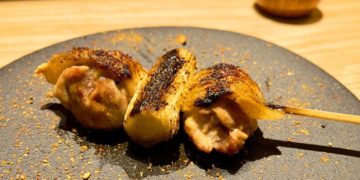
In Japan, most people are familiar with yakitori—grilled chicken skewers—but fewer international visitors are aware of its pork counterpart: yakiton (焼きとん). Derived from the words yaki (grilled) and ton (pork), yakiton refers to skewers of grilled pork, often made from a wide variety of cuts, including offal (horumon). It’s a staple of Tokyo’s local drinking culture and an essential experience for food lovers seeking something more rustic, authentic, and deeply rooted in everyday Japanese life.
This article explores the cultural background, typical menu items, ordering etiquette, and the best places to enjoy yakiton, especially around Tokyo’s vibrant drinking districts. Whether you’re new to Japanese cuisine or a seasoned traveler seeking hidden gems, yakiton offers a mouthwatering entry point into the world of B-class gourmet cuisine—a world that’s flavorful, fun, and full of surprises.
Cultural and Historical Background
■ Postwar Origins
Yakiton rose in popularity in the post-WWII period, particularly in working-class neighborhoods. Chicken was expensive and scarce, so pork—especially offcuts—became the protein of choice.
- Postwar black markets and street stalls started offering grilled pork as a cheap, high-protein food for workers rebuilding the country.
- Skewers of pork offal were easy to cook and economical, creating an informal dining culture accessible to all.
- It became closely associated with izakaya (Japanese pubs) and yokocho (narrow alleyways filled with small eateries) that catered to blue-collar workers.
- The grilling style—using binchotan charcoal—allowed the natural flavors to shine through and added a smoky depth to each bite.
■ Everyday People’s Cuisine
Unlike sushi or kaiseki, yakiton is part of Japan’s “B-class gourmet”—unpretentious, hearty, and accessible.
- Regularly eaten by salarymen, locals, students, and tourists seeking an authentic local experience.
- Often paired with cheap beer, highballs, or shochu-based drinks.
- The communal nature of skewers encourages casual sharing, conversations among strangers, and a lively, down-to-earth atmosphere.
- In many ways, yakiton is about connection—with food, with people, and with tradition.
Common Yakiton Cuts and Must-Try Skewers
Each part of the pig offers a unique texture and flavor. Here are some of the most common and beloved varieties:
✔ Kashira (Cheek or Head Meat)
- Meaty and tender with a beef-like chew.
- Rich in umami, ideal for beginners.
- Sometimes served slightly pink in the middle for maximum juiciness.
✔ Tan (Tongue)
- Slightly crunchy and full of flavor.
- Often seasoned with salt and lemon for a refreshing balance.
- Some places offer it thick-cut or in multiple textures.
✔ Hatsu (Heart)
- Lean, firm texture and mild flavor.
- Popular for its bite and simplicity.
- Best served grilled quickly over high heat.
✔ Reba (Liver)
- Rich and creamy when cooked properly.
- Often served rare inside for best texture and iron-rich taste.
- Especially delicious with a touch of tare sauce and green onions.
✔ Shiro (Intestine)
- Chewy with a distinct, savory flavor.
- Usually miso-marinated and grilled crispy for added complexity.
- Acquired taste, but highly rewarding for adventurous eaters.
✔ Tontoro (Neck Fat)
- Juicy and fatty cut, similar to pork belly.
- Best grilled until the fat is rendered and the edges are crispy.
- Melts in the mouth and pairs excellently with shio seasoning.
✔ Buta Bara (Pork Belly)
- A universal favorite due to its marbling and richness.
- Often skewered in thick slices and seasoned with tare or spicy miso glaze.
- Also available with vegetables like shishito peppers or onions.
✔ Nankotsu (Cartilage)
- Crunchy and chewy, great for textural contrast.
- A great palate cleanser between richer cuts.
Seasonings and Styles
Yakiton skewers are typically served with two main flavor profiles:
- Shio (Salt): Enhances the natural flavor of the meat. Works best for more delicate cuts.
- Tare (Sweet Soy Sauce): A house-made glaze, usually secret and unique to each shop.
Additional condiments include:
- Karashi (Japanese mustard): Pungent and sharp, it cuts through fattiness.
- Yuzu kosho (spicy citrus paste): Adds heat and citrus aroma.
- Shichimi (seven-spice blend): Gives a spicy kick and slight sweetness.
Some places also offer modern fusion sauces, such as garlic butter, black pepper miso, or ponzu radish.
How to Order Yakiton Like a Local
✔ Start with a Drink
- Most yakiton joints expect you to order a drink first.
- Popular choices: Draft beer, lemon sour, oolong-hai, or shochu.
✔ Try a “Moriawase” (Assorted Skewers)
- Great for beginners—usually includes 5–7 types.
- Gives you a full spectrum of flavors and textures.
✔ Be Adventurous
- Don’t be afraid to try offal—it’s fresh and expertly prepared.
- Ask for the “osusume” (recommended) of the day.
- Many places offer rare parts not listed on the menu.
✔ Mind the Pace
- Skewers are usually grilled fresh and served one by one.
- Take your time, enjoy the flavors, and soak in the ambiance.
- Don’t rush your order—this is food meant to be savored slowly.
Best Places to Eat Yakiton in Tokyo
1. Negishi (Ueno)
- An iconic yakiton joint known for its retro vibe.
- Long counter seating and charcoal grill in full view.
- Locals and tourists mingle shoulder-to-shoulder.
2. Taishu Sakaba (Shinjuku Omoide Yokocho)
- Located in the famous alley of nostalgic izakayas.
- Offers rare cuts and a great local atmosphere.
- Ideal for a truly immersive yakiton experience.
3. Niku no Hanamasa (Ikebukuro)
- Affordable skewers and generous portions.
- Popular with students and budget travelers.
- Often open late—great for night owls.
4. Tontokoton (Kichijoji Harmonica Yokocho)
- Creative variations on yakiton using modern sauces.
- Cozy, stylish interior perfect for casual dates.
- Offers vegetarian and fusion skewers as well.
5. Yakiton Maruken (Asakusa)
- Run by experienced butchers with premium pork.
- Close to the famous Sensoji Temple—perfect post-sightseeing stop.
- Friendly staff often speak basic English.
Why Yakiton Belongs on Your Culinary Itinerary
- Authenticity: It’s a real taste of local Japanese nightlife and food culture.
- Variety: More diverse than yakitori, with a wide range of textures and flavors.
- Social: Great for small groups or solo counter dining.
- Affordable: Dishes range from 100–300 yen per skewer, making it budget-friendly.
- Atmosphere: The ambiance—smoke-filled air, sizzling sounds, and laughter—is part of the experience.
- Cultural Education: Every bite tells a story of Japanese postwar resilience and innovation.
Final Thoughts
If you’re seeking a culinary experience beyond sushi and ramen, yakiton is your gateway into a more rugged, flavorful side of Japanese food culture. It tells the story of resilience, frugality, and flavor innovation born in alleyways and carried on in izakayas filled with laughter, smoke, and sizzling skewers.
Whether in a bustling yokocho or a tucked-away tavern, the scent of grilled pork and the clink of glasses await. Yakiton isn’t just food—it’s a slice of Japanese life.
Next time you’re in Tokyo or another Japanese city, take a detour down a lantern-lit alley, find a crowded counter, and order a few skewers with a cold drink in hand. You’ll discover that behind the simple grilled pork lies a cultural treasure trove waiting to be savored.