












Introduction
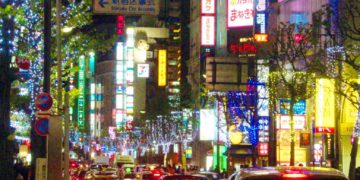
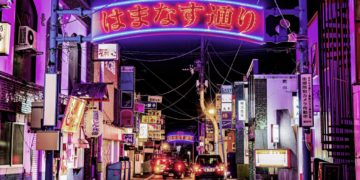
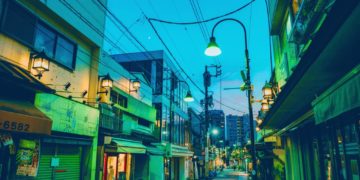
Japan may be renowned for its refined kaiseki dining and Michelin-starred sushi, but for those craving something more casual, colorful, and immersive, the country’s night markets and street food culture offer a different kind of culinary thrill. While Japan does not have the same ubiquitous night market tradition seen in Taiwan or Thailand, a rich tapestry of regional festivals, seasonal events, food alleys, and nighttime food stalls paints a vibrant picture of Japan’s food-loving spirit after sundown.
From Osaka’s bustling Dotonbori canal-side eateries to Fukuoka’s famous yatai food carts and Sapporo’s winter festival stalls, Japan’s version of night market dining is deeply intertwined with its local culture and festivals. These night experiences offer more than just food—they serve as windows into local life, tradition, and community.
In this article, we’ll journey through Japan’s top regions to discover the best spots for night market and street food experiences, highlight must-try dishes, and offer tips for enjoying these delicious and authentic adventures.
1. Osaka: Dotonbori and Shinsekai
Dotonbori
Dotonbori is Osaka’s most famous nightlife and food district, where neon lights reflect on the canal and sizzling smells lure visitors from every corner. While technically not a “market,” its dense concentration of street-side stalls, izakayas, and grab-and-go vendors creates a night market vibe.
Must-Try Foods:
- Takoyaki: Ball-shaped octopus snacks, crispy outside, gooey inside
- Okonomiyaki: Savory pancake grilled to order
- Kushikatsu: Deep-fried skewers of meat and vegetables
Tip: Try Takoyaki at Acchichi Honpo or Takoyaki Juhachiban—both stay open late into the night.
The area is not only a haven for food lovers but also an iconic tourist destination. The giant Glico running man sign, the buzzing energy, and the cacophony of food smells make it a sensory overload in the best way. You’ll also find local specialties such as grilled scallops on the shell and cheese-stuffed croquettes that can’t be missed.
Shinsekai
This nostalgic district below Tsutenkaku Tower comes alive at night, especially around kushikatsu shops.
Link: Shinsekai Guide
Wander the streets and you’ll feel like you’ve stepped into a time machine—retro signs, old game parlors, and no-frills dining abound. Shinsekai is perfect for a more grounded, local street food experience compared to glitzier areas like Dotonbori.
2. Fukuoka: Yatai Food Stalls
Fukuoka’s yatai (mobile food carts) are iconic—especially around Nakasu, Tenjin, and the Naka River. Unlike in other cities, Fukuoka’s yatai are semi-regulated and licensed, creating a unique culture of nighttime dining.
Top Dishes:
- Hakata Ramen with rich pork bone broth
- Mentaiko Tamagoyaki (spicy cod roe omelet)
- Oden in winter months
Recommended Yatai:
- Nagahama Number One (Ramen-focused)
- Kikuya (Tempura and sake pairings)
Link: Fukuoka Yatai Info
There’s something deeply communal about eating shoulder to shoulder with strangers at a yatai counter. The chefs usually act as both cooks and conversationalists, engaging with diners and offering insight into their local ingredients and preparation methods. Be sure to try grilled chicken skewers or karaage (Japanese fried chicken), and if you’re feeling adventurous, go for motsunabe (beef or pork offal hot pot).
3. Tokyo: Festival Nights and Alley Eats
Street Festivals
During summer matsuri, Tokyo transforms with hundreds of food stalls selling yakisoba, chocolate bananas, grilled squid, and shaved ice. Popular festivals include:
- Sumidagawa Fireworks Festival
- Mitama Matsuri at Yasukuni Shrine
The atmosphere is electric—crowds in yukata (summer kimono), music and drumming echoing through shrine grounds, and the warm glow of lanterns lighting the way. You can sample classic Japanese street food such as taiyaki (fish-shaped cakes filled with red bean), corn on the cob glazed with soy sauce, and even trendy fusion treats like cheese dogs and tapioca drinks.
Omoide Yokocho & Ameya Yokocho
While not formal night markets, these alleyways recreate a street market feel with yakitori stalls, grilled seafood, and retro izakayas.
Link: Omoide Yokocho
Omoide Yokocho, also known as “Memory Lane,” evokes post-war Tokyo with tightly packed stalls and timeworn signage. Meanwhile, Ameya Yokocho in Ueno transitions from a shopping bazaar to an izakaya-rich nightlife hub as the sun sets. Try beef tongue skewers or shochu cocktails served in tin mugs.
4. Kyoto: Night Temple Markets and Local Food Stalls
To-ji Temple Night Market
Held monthly, this market offers antiques, crafts, and a great selection of street food under atmospheric lantern light.
Local Delights:
- Yatsuhashi (cinnamon mochi)
- Miso-dengaku (grilled tofu with sweet miso)
These markets allow visitors to see a quieter, more spiritual side of Japan’s night food culture. Between bites, you can shop for vintage kimono, handmade pottery, or hand-carved charms from local artisans.
Pontocho Alley
Not a market, but the perfect place to end the night with riverside grilled eel skewers or Kyoto-style small plates.
Link: To-ji Temple Flea Market Info
Stroll along the riverbank and enjoy dimly lit storefronts, seasonal menus, and the possibility of spotting a geisha. It’s one of the most atmospheric settings in Japan to enjoy local fare like tsukemono (pickled vegetables) or tofu skin sushi.
5. Sapporo: Winter Festival Stalls
During February’s Sapporo Snow Festival, the city becomes a winter night market filled with warming street foods.
Best Picks:
- Genghis Khan BBQ
- Crab miso soup
- Hokkaido cheese skewers
Link: Sapporo Snow Festival
Despite the freezing temperatures, locals and tourists alike gather around outdoor grills, bundled in coats and warming their hands with steaming bowls of soup. From roasted sweet potatoes to grilled buttered corn, the market is a showcase of Hokkaido’s rich culinary bounty.
6. Nagoya: Osu Shopping District at Night
Osu is an eclectic district with street food vendors, vintage shops, and temples. While most shops close early, weekends and festivals see stalls pop up at night.
Local Bites:
- Miso Katsu
- Tenmusu (rice ball with tempura shrimp)
Link: Osu Shopping Street
Don’t miss the opportunity to try tebasaki (Nagoya-style chicken wings) or hitsumabushi (grilled eel on rice). The area’s vibe mixes traditional with punk, offering a youthful energy perfect for late-night food hunts.
Lesser-Known Night Markets and Pop-Up Events
- Kurama Fire Festival (Kyoto, October): A dramatic mountaintop night festival with street food and torches.
- Asakusa Hozuki-ichi (Tokyo, July): Traditional lantern festival with snacks and sake.
- Kokura Gion Daiko (Kitakyushu, July): Drum parade with local bites like yakitori and beer stalls.
These hidden gems allow deeper exploration of local customs and regional street food not often featured in travel guides.
Tips for Enjoying Night Street Food in Japan
- Cash is king: Many stalls do not accept credit cards.
- Be patient: Popular stalls often have lines—worth the wait!
- Try seasonal specialties: Summer and winter festivals offer unique menus.
- Respect etiquette: Avoid eating while walking unless designated areas allow it.
- Bring wipes or tissues: Not all stalls provide napkins.
- Engage locals: Many vendors love to chat with foreign visitors and offer recommendations.
Conclusion
Japan’s night market and street food scene might not mirror the chaotic bazaars of other Asian countries, but its charm lies in the blend of tradition, regional flavor, and the joy of eating communally under the night sky. Whether you’re indulging in sizzling skewers along Osaka’s canals or warming up with ramen beside the Naka River, the experience offers insight into Japan’s local flavors and evening rhythms.
So, grab your yen, follow the scent of grilled delights, and dive into Japan’s culinary nightlife—one bite at a time.