





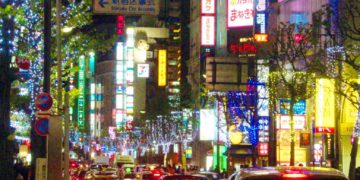




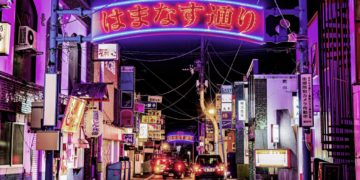

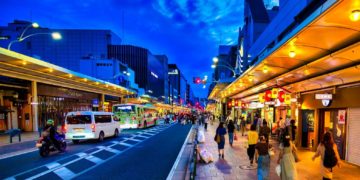
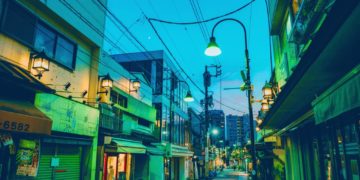

Discovering the secret world of Tokyo’s after-midnight jazz scene where locals and musicians gather away from tourist eyes
The Mystery Beyond the Last Train
When Tokyo’s final trains depart at midnight, most tourists head back to their hotels, unaware that the city’s real jazz soul is just awakening. While guidebooks lead visitors to famous venues like Blue Note Tokyo, there exists a parallel universe of hidden jazz sanctuaries operating in the shadows—basement clubs where the city’s most talented musicians gather to play for audiences of devoted locals who understand that true jazz happens when the lights are dim and the night is deep.
This isn’t the polished, tourist-friendly jazz experience you’ll find in mainstream venues. This is Tokyo’s underground jazz renaissance—a network of tiny, smoke-filled rooms accessible only to those who know where to look, when to arrive, and most importantly, how to behave once inside.
The Philosophy of Tokyo’s Hidden Jazz Culture
Beyond Entertainment: Jazz as Spiritual Practice
Tokyo’s underground jazz scene operates on a fundamentally different philosophy than its commercial counterpart. These venues aren’t businesses first and music spaces second—they’re temples to the art form. The legendary Shinjuku Pit Inn, operating since 1966 in a basement at Shinjuku 2-12-4 Accord Building B1F, exemplifies this approach: every seat faces the stage, phones are discouraged, and conversation during performances is considered sacrilege.
But Pit Inn, while underground in location, has achieved a level of fame that places it outside the truly hidden network. The real secrets lie deeper—in clubs that don’t appear in any English-language guide, where finding the entrance requires following cryptic landmarks and understanding subtle social codes.
The Hierarchy of Musical Respect
Unlike Western jazz clubs where audience interaction is often encouraged, Tokyo’s hidden jazz venues operate on a strict hierarchy of respect. Musicians aren’t performers entertaining customers—they’re masters conducting spiritual sessions. The audience isn’t consuming entertainment—they’re participating in a collective meditation on improvisation and musical conversation.
This cultural framework creates an intensity rarely found elsewhere. When Japanese bassist Yasuhiro Yoshigaki or experimental drummer Masahiko Satoh takes the stage at venues like Gate One (Sasaki Building B1, 2-8-3 Takadanobaba), the silence between notes carries as much weight as the music itself.
The Geography of Tokyo’s Jazz Underground
Shinjuku’s Basement Network
The highest concentration of hidden jazz venues lies beneath Shinjuku’s neon-lit streets. Beyond the famous Pit Inn, there’s an interconnected network of basement clubs connected by narrow alleyways and unmarked stairs. Jazz Pepe (B1, 3-35-12 Shinjuku), opened in 1969, represents the old guard—a tiny space run by 77-year-old Okuma-san where finding a seat requires arriving hours early and understanding the unwritten reservation system.
Jazz Room Stick (3 Chome-22 Shinjuku) occupies an even more obscure location, almost directly behind major department stores but accessible only through a maze of service alleys. The venue’s name appears nowhere in English, and its hours of operation (typically 7:30 PM to 2:00 AM) ensure that most casual visitors have already caught their last trains home.
The Koenji Revolution
While Shinjuku represents tradition, Koenji has become the epicenter of Tokyo’s jazz evolution. This working-class neighborhood, centered around JR Koenji Station, houses venues that blur the line between jazz and avant-garde experimentation. Places like Jirokichi and the underground spaces near Koenji High don’t just host jazz—they incubate it.
The Koenji scene operates on different economics than central Tokyo. Shows average around 3,000 yen, and venues stay open later because rent is cheaper and neighbor complaints are fewer. More importantly, Koenji’s clubs welcome the kind of musical experimentation that more established venues might consider too risky.
Takadanobaba’s Academic Jazz
Near Waseda University, the Takadanobaba district houses several jazz venues that cater to students and young professionals. Gate One and Jazz Nutty (1-17-4 Nishi-Waseda) represent this academic approach to jazz—venues where musical theory discussions continue long after the final note.
These clubs typically open earlier (around 6:30 PM) and close later (often 2:00 AM), catering to university schedules and younger crowds who approach jazz with scholarly intensity rather than nostalgic reverence.
The Ritual of Entry: Understanding Access Protocols
Reservation Systems That Aren’t Systems
Most hidden jazz venues operate on quasi-reservation systems that function more like social networks than business protocols. At venues like Someday (Chome 34-8, Shinjuku) or B Flat (6-6-4 Sakae Building B1, Akasaka), calling ahead isn’t about securing a table—it’s about announcing your intention to participate respectfully in the evening’s musical conversation.
The phone conversation itself serves as a screening process. Venue operators can distinguish between tourists seeking entertainment and genuine jazz devotees seeking artistic communion. Speaking basic Japanese helps, but enthusiasm and respect transcend language barriers.
The Art of Arrival Timing
Unlike Western clubs where fashionably late arrival is acceptable, Tokyo’s hidden jazz venues reward punctuality with better seating and social acceptance. Arriving 30 minutes before start time isn’t early—it’s expected. This early arrival period serves as community bonding time, where regulars exchange information about upcoming shows, traveling musicians, and new album releases.
However, arriving too early can also mark you as an outsider. The optimal arrival window—typically 15-20 minutes before start time—demonstrates both respect for the music and understanding of the venue’s social rhythms.
Payment Etiquette and Hidden Costs
Most hidden venues operate on a “charge plus drink” system, but the actual cost structure includes invisible elements. At places like Jazz Tweeter (1-19-11 B1F Shinjuku) or Absolute Blue (Toshima Kaikan B2F, 1-15-6 Nishi-Ikebukuro), the listed price covers basic admission, but tipping musicians directly—typically 500-1,000 yen placed discretely near the stage—marks the difference between tourist and insider.
The drink minimum isn’t just commercial necessity—it’s community participation. Nursing a single beer all evening signals lack of commitment to the venue’s survival.
Musical Anthropology: Who Plays and Who Listens
The Hierarchy of Musicians
Tokyo’s underground jazz scene operates on multiple tiers of musical status. At the top are the legendary figures—musicians like Masahiko Satoh, whose experimental approaches influenced decades of Japanese jazz. These masters often appear unannounced at smaller venues, turning ordinary evenings into historic performances.
The middle tier consists of professional session musicians who work commercial gigs during the day but save their artistic souls for late-night basement performances. These players know each other across venues, creating an impromptu network where a bassist from Shibuya might join a drummer from Shinjuku for spontaneous collaborations.
The bottom tier—though “bottom” carries no negative connotation—includes university students, amateur enthusiasts, and foreign musicians seeking to understand Japanese jazz philosophy. Many venues, particularly in Koenji and Takadanobaba, host jam sessions where these developing players can learn from masters.
The Audience Ecosystem
The audience at hidden jazz venues defies simple categorization. Core constituents include:
Salary Men Escapists: Office workers who use jazz as meditation after grinding corporate days. These listeners rarely speak but demonstrate deep musical appreciation through subtle body language and strategic drink ordering.
University Jazz Circles: Student groups who treat these venues as extension classrooms, analyzing musical theory and debating artistic interpretations with academic fervor.
Professional Musicians: Off-duty players from other genres who use jazz venues to decompress and study musical approaches outside their commercial work.
Cultural Devotees: Middle-aged Japanese listeners who view jazz as serious art form deserving the same respect as traditional cultural practices like tea ceremony or flower arrangement.
Foreign Residents: Long-term expatriates who’ve moved beyond tourist jazz experiences to seek authentic musical community.
The Economics of Underground Jazz
Survival Strategies for Micro-Venues
Most hidden jazz venues operate on razor-thin margins that make survival an art form. A typical night at a 30-seat venue like Jazz Spot Intro (2-14-8 Takadanobaba B1F) might gross 100,000 yen—impressive until you subtract musician payments (typically 30-40% of gross), rent (often 200,000+ yen monthly for even basement spaces), utilities, and alcohol costs.
Venue survival depends on cultivating regular customers who attend multiple shows monthly rather than seeking large crowds of occasional visitors. This economic reality explains the emphasis on community building over marketing.
The Underground Economy of Musicians
Musicians in this scene rarely earn living wages from jazz alone. Most supplement income through teaching, commercial session work, or entirely unrelated day jobs. The underground jazz circuit serves as artistic expression and professional networking rather than primary income source.
However, the networking value shouldn’t be underestimated. Musicians who prove themselves in basement clubs often graduate to recording opportunities, commercial gigs, or international touring opportunities that do provide sustainable income.
Navigation Guide: Finding the Unfindable
Physical Navigation Techniques
Finding hidden jazz venues requires different skills than locating mainstream attractions. GPS coordinates often lead to building entrances, but not specific venue access points. Many clubs occupy basement or upper-floor locations accessible only through unmarked stairwells or service entrances.
Key navigation strategies include:
Landmark-Based Direction: Instead of addresses, use visual landmarks. “The basement below the vintage record store” or “behind the ramen shop with the red lantern” provide more useful guidance than street numbers.
Time-Based Scouting: Many venues appear closed during afternoon hours but show signs of life (lights, activity, open doors) as evening approaches. Arriving in the neighborhood 1-2 hours early allows reconnaissance without commitment.
Local Network Access: Befriending record store owners, jazz CD collectors, or university music students provides access to the informal information networks that track venue schedules, special events, and temporary closures.
Cultural Navigation Requirements
Success in Tokyo’s hidden jazz scene requires understanding subtle social protocols:
Silence During Performance: Even whispered conversation during solos shows disrespect. Save discussions for set breaks or after-show periods.
Applause Timing: Wait for clear musical conclusion rather than applauding during brief pauses within longer compositions.
Photography Restrictions: Most venues prohibit photography entirely. Those that allow it typically restrict flash and require permission from both venue operators and performing musicians.
Departure Etiquette: Leaving during performances, even briefly, disrupts the musical meditation. Plan bathroom breaks and transportation accordingly.
The Future of Tokyo’s Jazz Underground
Generational Transition Challenges
Many venue operators are aging, and succession planning remains problematic. Clubs like Jazz Pepe, run by octogenarian owners, face uncertain futures as younger generations show less interest in the intense commitment required for venue operation.
However, neighborhoods like Koenji are attracting younger operators who blend traditional jazz respect with contemporary business approaches, suggesting potential for evolution rather than extinction.
Foreign Influence and Integration
The increasing number of foreign jazz musicians living in Tokyo has begun influencing the underground scene. Venues are slowly adapting to accommodate non-Japanese participants while maintaining their cultural integrity.
This evolution creates opportunities for visiting musicians and serious jazz tourists to engage more deeply with the scene, provided they approach with appropriate respect and cultural sensitivity.
Practical Information for the Serious Jazz Tourist
Essential Preparation
Before attempting to access Tokyo’s hidden jazz scene:
- Learn Basic Japanese Phrases: Venue reservation, drink ordering, and polite appreciation expressions
- Research Current Musicians: Understanding who’s playing and their musical backgrounds shows respect
- Dress Appropriately: Business casual to formal; avoid tourist clothing
- Bring Cash: Most venues don’t accept credit cards
- Plan Transportation: Ensure you can return to your accommodation after 2-3 AM performances
Recommended Entry-Level Venues
For first-time underground jazz explorers:
Shinjuku Pit Inn (2-12-4 Accord Building B1F): Famous enough to be foreigner-friendly but authentic enough to represent the culture. English website available at pit-inn.com/e/.
B Flat Akasaka (6-6-4 Sakae Building B1, Akasaka): Slightly more tourist-accessible while maintaining authentic atmosphere.
Gate One Takadanobaba (Sasaki Building B1, 2-8-3 Takadanobaba): Smaller venue with friendly operators willing to help newcomers understand protocols.
Advanced Exploration Targets
For experienced jazz venue veterans:
Jazz Pepe (B1, 3-35-12 Shinjuku): Old-school authenticity with minimal English accommodation Koenji Underground Network: Multiple venues requiring local guidance to locate Takadanobaba Academic Circuit: University-adjacent venues with younger, more experimental programming
Conclusion: The Soul of Tokyo After Dark
Tokyo’s hidden jazz scene represents something increasingly rare in our globalized world—a genuine cultural underground that maintains its integrity despite external pressures. These venues exist not to serve tourists or generate profit, but to preserve and evolve an art form that speaks to fundamental human needs for authentic expression and community connection.
For the dedicated music lover willing to navigate cultural complexities and social protocols, these hidden spaces offer experiences impossible to find elsewhere—moments where the boundaries between performer and audience dissolve, where improvisation becomes meditation, and where the true spirit of jazz reveals itself in all its mysterious power.
The underground jazz renaissance in Tokyo isn’t just about music—it’s about preserving spaces for genuine human connection in an increasingly digital world. Every basement club that survives represents a victory for authenticity over commercialization, for community over consumption, for art over entertainment.
As the city’s neon lights blur together in the early morning hours and the last notes fade into the darkness, these hidden venues stand as proof that Tokyo’s most profound experiences still happen in the shadows, waiting for those curious and respectful enough to seek them out.