








Unlocking the hidden wisdom of Japan’s standing bar culture—where business cards meet beer bottles and life’s deepest truths are shared shoulder-to-shoulder
The Philosophy of Standing: Why Japan’s Salary Men Choose to Remain Vertical
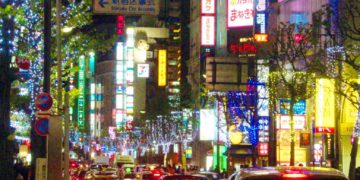
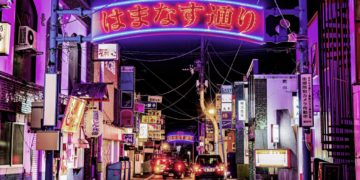
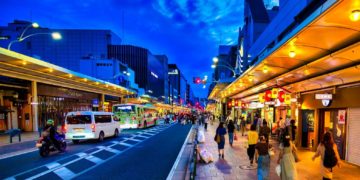
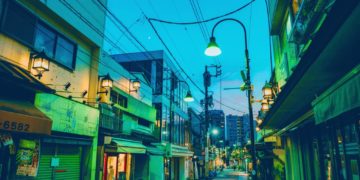
Every evening at 6 PM, a transformation begins across Tokyo’s business districts. As office buildings empty their contents of suited workers onto busy sidewalks, a peculiar migration starts toward the city’s most misunderstood cultural institutions: tachinomi—standing bars where Japan’s salary men gather not just to drink, but to engage in a form of social philosophy that foreigners rarely comprehend.
Unlike the izakaya culture that tourism guides celebrate, tachinomi represents something more profound—a democratic space where hierarchy dissolves, where the company president and junior employee stand shoulder-to-shoulder, and where Japan’s most authentic social truths emerge through the simple act of remaining vertical while consuming alcohol.
This isn’t merely about saving money on cheaper drinks or accommodating more customers in smaller spaces. Tachinomi culture embodies a philosophical approach to human connection that reflects deep currents in Japanese society: the value of temporary equality, the beauty of impermanence, and the wisdom found in shared vulnerability.
The Anthropology of Vertical Drinking: Understanding the Salaryman Soul
The Democracy of Standing
The physical act of standing in tachinomi serves a social purpose that sitting cannot achieve. When everyone stands, traditional Japanese hierarchies—age, company rank, educational background—temporarily suspend their influence. The company executive and fresh university graduate occupy the same physical stance, creating a rare moment of equality in a society deeply structured by vertical relationships.
This temporary democratization explains why many salary men prefer tachinomi for genuine conversation. Away from the formal protocols of office interactions or the ritualized drinking ceremonies of traditional business entertainment, standing bars offer space for authentic human connection. The shared discomfort of standing for extended periods creates solidarity that transcends workplace divisions.
The Economics of Emotional Release
Tachinomi pricing reflects not just operational efficiency but psychological necessity. With beer prices ranging from 280-400 yen (compared to 500-800 yen in seated establishments), these venues acknowledge that emotional maintenance should be affordable. For salary men earning modest wages while supporting families, tachinomi provide essential stress relief without financial strain.
However, the economics extend beyond simple affordability. The quick turnover encouraged by standing service prevents the dangerous emotional depths that longer drinking sessions can reach. Tachinomi offer controlled release—enough social lubrication to process daily stress without the commitment (financial or temporal) required by full evening entertainment.
The Ritual of Shoulder-to-Shoulder Conversation
The physical proximity forced by limited standing space creates conversational intimacy impossible in other social settings. Standing shoulder-to-shoulder, salary men share concerns, frustrations, and observations that the structured politeness of Japanese society normally suppresses. These conversations follow unwritten protocols: complaints about immediate supervisors (acceptable), company policy criticism (moderate), family stress acknowledgment (rare but powerful).
Foreign observers often mistake these interactions for casual friendliness, missing the deeper function. Tachinomi conversations serve as pressure valves for social tensions that formal Japanese culture provides few outlets to express. The temporary nature of standing bar encounters—rarely lasting more than 30-45 minutes—creates safety for emotional honesty that longer relationships might not accommodate.
Regional Variations: The Geography of Standing Bar Philosophy
Tokyo’s Business District Tachinomi: The Epicenter of Salaryman Culture
Shinbashi represents the holy land of Tokyo’s tachinomi culture, earning its designation as “Salaryman Sacred Ground” through decades of after-work congregation. The area’s legendary status stems from its concentration of mid-tier companies whose employees possess neither the expense accounts for high-end entertainment nor the poverty requiring complete abstinence.
The famous Tachinomi Heso (operating Monday-Friday 11:30-24:00, Saturday 12:00-24:00) exemplifies Shinbashi’s approach: no-frills kushikatsu, efficiently delivered beer, and physical space designed to encourage quick turnover while maintaining conversational intimacy. Located minutes from Shinbashi Station, Heso represents the archetype of salary man refuge—affordable, accessible, and authentically unpretentious.
The proliferation of tachinomi around major station areas reflects commute-based social patterns. Salary men stopping for “one quick drink” before catching trains home creates temporal boundaries that prevent escalation into expensive or time-consuming evening entertainment. This geographic convenience serves family harmony as much as personal stress relief.
Osaka’s Tachinomi: The Art of Commercial Conversation
Osaka’s standing bar culture differs fundamentally from Tokyo’s in both style and social function. Where Tokyo tachinomi emphasize quiet stress release, Osaka venues celebrate animated conversation and commercial networking. The famous concentration of tachinomi in Osaka’s Shinsekai and Namba districts creates merchant-culture gathering spaces where business relationships develop alongside personal connections.
Osaka tachinomi prices run approximately 100 yen lower than Tokyo equivalents—reflecting not just regional cost differences but cultural attitudes toward alcohol as social lubricant rather than stress medication. The extended operating hours (many Osaka tachinomi stay open until 4:30 AM) accommodate the region’s more relaxed approach to after-work socializing.
The regional difference in beer pricing—Osaka averaging 350-390 yen versus Tokyo’s 450-490 yen—reflects deeper cultural philosophies about accessibility and social inclusion. Osaka’s merchant culture views affordable drinking as democratic right, while Tokyo’s corporate culture treats it as controlled release mechanism.
Regional Etiquette Variations
Understanding regional tachinomi differences prevents cultural misunderstandings. Tokyo venues expect quieter conversation and quicker turnover, while Osaka establishments welcome animated discussion and extended social interaction. In Kansai regions, standing on the right side of escalators reflects this more relaxed social approach, contrasting with Tokyo’s left-side efficiency orientation.
These regional variations reflect broader cultural differences in how Japanese society processes work stress and maintains social harmony. Tokyo’s approach emphasizes individual emotional management, while Osaka’s style celebrates community-based stress relief.
The Unwritten Rules: Tachinomi Etiquette for Foreigners
Entry Protocols and Space Management
Successfully participating in tachinomi culture requires understanding spatial etiquette that differs significantly from Western bar customs. Upon entering, foreigners should wait to be positioned by staff or regular customers rather than claiming space independently. The physical constraints of standing bars create communal responsibility for space management that individual choice can disrupt.
Appropriate positioning involves standing close enough to participate in general conversation but not so close as to invade personal space. The shoulder-to-shoulder configuration that seems uncomfortable to foreigners represents optimal social distance for Japanese standing bar interaction. Attempting to create Western-style personal space bubbles marks immediate cultural outsider status.
Conversation Protocols and Topic Selection
Tachinomi conversation follows specific protocols that prevent social disruption while enabling emotional release. Acceptable topics include: work stress (general complaints, not specific company details), transportation frustrations, weather observations, and light sports commentary. Topics to avoid include: direct personal questions, detailed company information, family problems, and political opinions.
The art of tachinomi conversation involves contributing to group atmosphere without dominating discussion or remaining completely silent. Foreign participants should follow Japanese conversational patterns: brief contributions, active listening, and emotional support rather than problem-solving suggestions.
Drinking Pace and Duration Management
Tachinomi etiquette includes understanding appropriate visit duration and drinking pace. The optimal stay ranges from 20-45 minutes—long enough to demonstrate commitment to social interaction but brief enough to maintain turnover for other customers. Extending visits beyond one hour signals misunderstanding of cultural purpose and creates subtle pressure on other patrons.
Drinking pace should match the general rhythm rather than individual preference. Ordering multiple drinks quickly or nursing single beverages for extended periods both violate tachinomi social protocols. The goal involves synchronized social experience rather than individual consumption satisfaction.
Payment and Departure Etiquette
Payment protocols in tachinomi require attention to group dynamics and individual responsibility. While colleagues sometimes cover rounds, foreign participants should assume individual payment unless explicitly included in group arrangements. Attempting to reciprocate drink purchases can create obligation cycles that tachinomi culture deliberately avoids.
Departure requires brief acknowledgment of companions without elaborate farewell ceremonies. The temporary nature of tachinomi relationships means that extensive social closure is unnecessary and potentially disruptive to ongoing conversations.
Business Philosophy and Social Integration
The Tachinomi as Corporate Training Ground
Many foreign business professionals misunderstand tachinomi as simple drinking establishments, missing their function as informal corporate training environments. Junior employees learn social skills, company culture, and professional communication through tachinomi interactions that formal training programs cannot provide.
The standing bar environment teaches essential Japanese business skills: reading social atmosphere, managing group dynamics, and expressing appropriate levels of opinion without disrupting harmony. These lessons transfer directly to boardroom and client interaction success.
Network Building and Career Development
Tachinomi culture provides unique networking opportunities unavailable through formal business channels. The temporary equality created by standing service enables cross-company, cross-industry conversations that hierarchical business entertainment prevents. Many significant business relationships begin through chance tachinomi encounters.
However, foreign professionals must understand that tachinomi networking operates through subtle relationship building rather than direct business proposition. Attempting immediate business development marks cultural insensitivity and usually prevents further relationship development.
Understanding Japanese Work-Life Integration
Tachinomi culture reflects Japanese work-life integration philosophy that differs fundamentally from Western work-life balance concepts. Rather than separating professional and personal spheres, tachinomi enable gradual transition between work identity and private self through social interaction.
This integration explains why many Japanese employees view after-work tachinomi participation as professional responsibility rather than personal choice. Understanding this cultural perspective helps foreign colleagues appreciate invitation significance and respond appropriately.
The Hidden Social Services of Standing Bars
Mental Health and Stress Management
Tachinomi serve essential mental health functions in Japanese society that formal psychological services often cannot provide. The combination of alcohol consumption, social interaction, and emotional expression creates therapeutic effects for work stress, social isolation, and life transition difficulties.
The standing bar environment offers controlled emotional release without the stigma associated with professional mental health treatment. For salary men experiencing job stress, family pressure, or existential concerns, tachinomi provide socially acceptable venues for processing difficult emotions.
Social Integration for Marginalized Groups
Despite their association with mainstream salary man culture, tachinomi also serve important integration functions for social minorities: foreign workers, older employees, and those experiencing career difficulties. The democratic standing environment creates inclusion opportunities that other social venues might not provide.
These integration benefits extend to foreign residents seeking authentic cultural experience beyond tourist-oriented establishments. Tachinomi offer genuine social interaction with local Japanese people in environments designed for honest communication rather than commercial service.
Community Information Networks
Tachinomi function as informal information exchanges where local knowledge, job opportunities, and practical advice circulate outside formal channels. Regular participants develop access to housing information, employment leads, and social services that official sources might not provide.
For foreign residents, establishing tachinomi relationships can provide crucial local knowledge and support networks that ease cultural adaptation and practical living challenges.
Navigating Language and Cultural Barriers
Essential Vocabulary and Phrases
Successful tachinomi participation requires specific vocabulary that differs from standard Japanese business or tourist phrases. Key expressions include:
- “Otsukaresama” (お疲れ様) – Acknowledging shared work fatigue
- “Kanpai” (乾杯) – Cheers, but used more frequently than in Western drinking
- “Ikaga desu ka?” (いかがですか) – How are things? (appropriate conversation starter)
- “Sou desu ne” (そうですね) – Yes, that’s right (essential agreement phrase)
Understanding when to use formal versus casual speech patterns prevents social awkwardness and demonstrates cultural sensitivity.
Body Language and Non-Verbal Communication
Tachinomi success depends heavily on appropriate body language that supports rather than disrupts group harmony. Proper posture involves slight forward lean demonstrating attention while maintaining respectful distance. Hand gestures should remain minimal, and eye contact should be brief and non-confrontational.
Understanding Japanese concepts of personal space, which differ significantly from Western norms, prevents inadvertent offense and enables successful social integration.
Cultural Sensitivity and Respect
Foreign tachinomi participants must demonstrate genuine respect for Japanese culture rather than treating standing bars as exotic entertainment. This includes understanding the serious social functions these venues serve and participating appropriately rather than as cultural tourists.
Showing interest in Japanese perspectives, asking thoughtful questions about local customs, and expressing appreciation for cultural insights demonstrates the respect necessary for meaningful tachinomi relationships.
Recommended Venues for Foreign Exploration
Beginner-Friendly Establishments
For foreign newcomers to tachinomi culture:
Tachinomi Heso Shinbashi Honten (Tokyo, Minato-ku, Shinbashi): Operating Monday-Friday 11:30-24:00, Saturday 12:00-24:00. The most famous tachinomi chain offers predictable environment and staff experienced with foreign customers.
Shibuya Standing Bar Areas: Multiple venues near Shibuya Station provide younger demographic and slightly more international atmosphere while maintaining authentic tachinomi culture.
Ikebukuro Station Vicinity: Several tachinomi near the station offer convenient access and diverse customer base including foreign residents.
Advanced Cultural Immersion
For experienced tachinomi participants seeking deeper cultural engagement:
Osaka Shinsekai District: Multiple traditional tachinomi offering authentic Kansai culture and merchant-class social dynamics.
Tokyo Station Underground Tachinomi: Business district venues providing pure salary man culture without tourist accommodation.
Local Neighborhood Tachinomi: Residential area standing bars offering genuine community integration opportunities.
Venue Selection Criteria
Choose tachinomi based on:
- Location accessibility: Near major stations for easy departure
- Customer demographics: Match your comfort level and social goals
- Staff experience: Venues familiar with foreign customers for initial visits
- Pricing transparency: Clear pricing prevents cultural misunderstandings
- Physical comfort: Appropriate space for extended standing
The Future of Tachinomi Culture
Demographic Changes and Cultural Evolution
Japan’s changing demographics—fewer young salary men, more foreign workers, evolving work patterns—pressure tachinomi culture to adapt while maintaining essential characteristics. Some venues now accommodate international customers through multilingual menus and staff training, while preserving authentic cultural functions.
The rise of remote work and flexible schedules challenges traditional after-work tachinomi patterns, forcing venues to develop new service models while maintaining cultural authenticity.
Technology Integration and Tradition Preservation
Modern tachinomi increasingly integrate payment technology and reservation systems while preserving the spontaneous social interaction that defines the culture. QR code payments and mobile ordering streamline operations without disrupting social dynamics.
However, technology adoption remains selective—venues resist changes that might disrupt the human interaction and democratic atmosphere that give tachinomi their cultural value.
International Recognition and Cultural Export
Growing international interest in Japanese culture brings both opportunities and challenges for tachinomi preservation. Tourism attention provides economic support but risks commercializing authentic cultural functions for foreign consumption.
Successful cultural preservation requires balancing accessibility for international participants with maintaining the essential social functions that make tachinomi valuable for Japanese society.
Conclusion: Standing at the Intersection of Culture and Commerce
Tokyo’s tachinomi culture represents something increasingly rare in our globalized world—authentic social institutions that serve essential cultural functions while remaining accessible to respectful outsiders. These standing bars offer more than alcohol consumption; they provide windows into Japanese social psychology, business culture, and community building that formal cultural presentations cannot convey.
For foreign residents and business professionals willing to invest time in understanding cultural protocols and building genuine relationships, tachinomi participation offers unparalleled insight into Japanese society’s informal operations. These venues reveal how a highly structured society creates spaces for emotional release, social equality, and human connection within commercial frameworks.
The philosophy of standing—choosing temporary discomfort for social benefit, embracing impermanence as relationship foundation, finding democracy in shared vulnerability—reflects broader Japanese cultural values that influence everything from business practices to international relations.
As Tokyo continues evolving into an international city, tachinomi culture faces pressure to modernize and accommodate global influences. However, the essential functions these venues serve—stress relief, social integration, cultural transmission, and community building—remain relevant for both Japanese society and foreign residents seeking authentic cultural engagement.
Every evening at 6 PM, as Tokyo’s office buildings empty and salary men gather in standing bars across the city, they participate in a cultural practice that transforms commercial drinking into philosophical exercise. Understanding this transformation—recognizing tachinomi as more than bars, appreciating standing as more than posture—reveals depths of Japanese culture that guidebooks cannot capture and tourist attractions cannot replicate.
The true secret of salary man culture lies not in the alcohol consumed or business conducted, but in the temporary communities created through shared vulnerability, honest conversation, and the simple act of choosing to stand together rather than sit apart.