








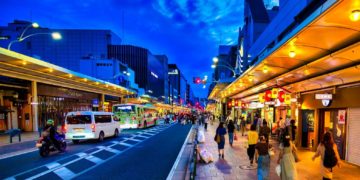


Discovering the sophisticated drinking culture hidden in Tokyo’s forgotten financial district
Introduction: The District Time Forgot
When the last subway train rumbles away from Hatchobori Station at midnight, most of Tokyo assumes this quiet corner of Chuo ward has gone to sleep. The office buildings stand dark, the narrow streets empty of the suited figures who fill them during daylight hours. But for those who know where to look, this is precisely when Hatchobori reveals its best-kept secret: a constellation of intimate whisky bars that represent the pinnacle of Tokyo’s sophisticated drinking culture.
Unlike the flashy hostess bars of Ginza or the chaotic izakaya of Shinjuku, Hatchobori’s bar scene operates on different principles entirely. Here, in converted ground-floor offices and narrow spaces squeezed between aging buildings, you’ll find some of Tokyo’s most knowledgeable bartenders serving world-class whisky to a clientele that values quality over quantity, conversation over spectacle.
This is salaryman bar culture in its purest form—not the boisterous after-work drinking sessions portrayed in popular media, but the refined appreciation of craftsmanship that defines Japan’s relationship with whisky. For visitors seeking authentic insight into Tokyo’s professional drinking culture, Hatchobori after dark offers an experience unavailable anywhere else in the city.
The Geography of Good Taste: Understanding Hatchobori’s Layout
A District Shaped by History
Hatchobori’s unique character stems from its historical role as a commercial district dating back to the Edo period. Originally a waterway connecting central Tokyo to Tokyo Bay, the area developed as a hub for merchants and craftsmen—a heritage that persists in its modern incarnation as a center for small businesses and financial services.
This commercial DNA explains why Hatchobori’s bar scene differs so dramatically from entertainment districts like Kabukicho or Roppongi. The bars here evolved to serve local businessmen who needed sophisticated spaces for client entertainment and personal relaxation, not tourists seeking exotic experiences or young people looking for loud nightlife.
The Counter-Only Philosophy
Most of Hatchobori’s serious whisky bars feature exclusively counter seating—typically accommodating between six and twelve patrons. This isn’t a space limitation but a deliberate design choice that reflects Japanese drinking culture’s emphasis on interaction between bartender and customer.
The counter arrangement creates intimate conversation opportunities while allowing bartenders to observe and respond to each customer’s preferences throughout the evening. It also prevents the formation of large, disruptive groups that might disturb the contemplative atmosphere these establishments cultivate.
The Art of Japanese Whisky Service
Beyond Pour and Serve
What sets Hatchobori’s bars apart isn’t just their extensive whisky collections—though many feature bottles worth thousands of dollars—but their approach to service. Bartenders here function as whisky sommeliers, capable of guiding customers through complex tasting journeys that might span multiple countries and decades of aging.
This expertise extends beyond knowing tasting notes. The best Hatchobori bartenders understand whisky’s cultural context, production methods, and historical significance. They can explain why certain Scottish distilleries produce distinctive flavors, how Japanese whisky developed its unique character, or why specific American bourbons complement particular foods.
The Ritual of Preparation
Watching a skilled Hatchobori bartender prepare a whisky service is performance art. Every element—from ice selection and glass warming to pour angle and presentation timing—receives careful attention. The bartender might spend several minutes preparing a single drink, but this deliberate pace serves multiple purposes: it demonstrates respect for the whisky, creates anticipation for the customer, and provides opportunities for conversation about the selection.
Ice preparation alone involves multiple steps. Many bars cut their ice fresh each evening, creating perfectly clear cubes or spheres that melt slowly and don’t dilute the whisky’s flavor. Some establishments offer multiple ice options, explaining how different shapes and sizes affect the drinking experience.
Navigating the Social Dynamics
The Regular Customer Hierarchy
Understanding Hatchobori’s bar culture requires recognizing its social structure. Regular customers—often businessmen from nearby companies—hold privileged positions that might not be immediately apparent to visitors. They typically occupy specific seats, receive priority service, and engage in ongoing conversations with bartenders that span weeks or months.
This hierarchy isn’t meant to exclude newcomers but reflects the Japanese concept of omotenashi (hospitality) extended over time. Regular customers have invested in relationships with bartenders and fellow patrons, creating a social ecosystem that sustains these small businesses.
Earning Temporary Membership
Visitors can respectfully integrate into this dynamic by demonstrating genuine interest in whisky and appropriate bar etiquette. Arrive early in the evening—ideally between 7 PM and 8 PM—when bartenders have more time for conversation and regulars haven’t yet claimed their preferred seats.
Show respect for the establishment by asking questions about the whisky selection rather than immediately ordering well-known brands. Express interest in the bartender’s recommendations and be prepared to spend time with each drink rather than rushing through multiple selections.
Conversation Protocols
Hatchobori bars operate on sophisticated conversation protocols that differ significantly from casual drinking establishments. Political discussions are generally avoided, personal questions are considered intrusive, and business talk is kept to a minimum unless directly relevant to the evening’s enjoyment.
Safe conversation topics include whisky appreciation, travel experiences, cultural observations about Tokyo, and general interest in Japanese business culture. Many regulars appreciate foreign visitors who can offer insights into whisky traditions from other countries, creating opportunities for cultural exchange.
The Economics of Excellence
Understanding Pricing Structure
Hatchobori’s whisky bars typically charge ¥2,000-3,500 for standard pours of quality whisky, with premium selections ranging from ¥5,000-15,000 per glass. These prices might seem steep compared to casual bars, but they reflect several factors: the quality of whisky served, the level of service provided, and the intimate atmosphere maintained.
Many establishments offer tasting flights or comparison sets that provide better value for exploring multiple whiskies. These might include three different expressions from the same distillery, regional comparisons, or age statement progressions that create educational drinking experiences.
Cover Charges and Appetizers
Most serious Hatchobori bars charge cover fees ranging from ¥500-1,500, which typically include small appetizers or otoshi (table charges). These aren’t profit grabs but necessary elements of the business model that allows bars to maintain low customer volumes while providing personalized service.
The appetizers served often reflect the bartender’s culinary knowledge and complement the evening’s whisky selections. They might include imported cheeses, house-made pickles, or carefully selected nuts that enhance rather than compete with whisky flavors.
Spotlight on Hatchobori’s Whisky Temples
Bar Liberty: The Whisky Scholar’s Sanctuary
Bar Liberty represents the pinnacle of Hatchobori’s whisky culture, featuring over 1,000 bottles including rare Japanese expressions that command collector prices. The master, Tadashi Sagawa, possesses encyclopedic knowledge of whisky production and maintains meticulous tasting notes for every bottle in his collection.
Liberty’s atmosphere emphasizes serious whisky appreciation over casual socializing. The lighting is deliberately dim to focus attention on the whisky itself, and conversation naturally centers on tasting experiences and production methods. Regular customers often bring bottles to share, creating impromptu tasting sessions that can last entire evenings.
Recommended Experience: Request a Japanese whisky comparison featuring different regions and distillation methods. Sagawa-san’s explanations provide masterclass-level education in Japanese whisky development.
Timing: Visit Tuesday through Thursday between 7 PM and 9 PM for the most educational experience. Weekend evenings attract larger crowds that might limit personalized service.
Bar Nadurra: Single Malt Specialization
Bar Nadurra focuses exclusively on single malt Scotch whisky, featuring an extraordinary collection of limited releases and discontinued expressions. The master specializes in Islay whiskies but maintains comprehensive selections from every Scottish region.
What sets Nadurra apart is its approach to whisky education through systematic tasting. The master often guides customers through regional comparisons or distillery-specific flights that illuminate the subtle differences between similar expressions. The bar maintains tasting sheets for serious customers who want to track their preferences over multiple visits.
Recommended Experience: Try the Islay progression tasting, which demonstrates how different peat levels and aging methods create distinct flavor profiles within the same geographical region.
Timing: Monday and Wednesday evenings typically offer the best opportunities for extended tasting sessions and detailed conversations about whisky production.
Bar Ornithology: The Hidden Gem
Bar Ornithology operates without a website or significant online presence, relying entirely on word-of-mouth recommendations and regular customers. Located in a basement space accessible only through an unmarked door, it represents Hatchobori’s most exclusive drinking experience.
The master maintains a collection focused on rare American whiskeys and vintage Japanese expressions, many of which are unavailable elsewhere in Tokyo. The bar’s intimacy—seating only six customers—creates an atmosphere more resembling a private tasting room than a commercial establishment.
Access: No reservations accepted; arrive early and be prepared to wait. The master evaluates potential customers before seating, prioritizing those who demonstrate genuine whisky interest over casual drinkers.
Recommended Experience: Trust the master’s selection entirely. Explain your whisky experience level and preferred flavor profiles, then allow him to guide your evening’s journey.
Advanced Strategies for Whisky Bar Exploration
The Progression Principle
Successful Hatchobori bar hopping requires understanding whisky progression—the art of sequencing different expressions to maximize tasting pleasure. Start with lighter, more delicate whiskies and gradually move toward stronger, more complex expressions throughout the evening.
Many experienced visitors begin at bars specializing in Japanese whisky or Highland Scotch, then progress to establishments featuring Islay or bourbon selections. This progression prevents palate fatigue while allowing appreciation of each whisky’s unique characteristics.
Seasonal Considerations
Hatchobori’s bar scene varies significantly by season, both in terms of whisky selections and social dynamics. Winter months feature heavier, more complex whiskies and longer conversations as customers linger in warm, intimate spaces. Summer selections tend toward lighter expressions and shorter visits.
Spring and autumn represent optimal visiting seasons, when moderate weather allows comfortable bar hopping and masters often feature special seasonal selections or limited releases.
Building Relationships Across Multiple Visits
The full Hatchobori experience reveals itself only through multiple visits that allow relationship development with individual bartenders. Many establishments maintain customer records noting preferences, previous selections, and conversation topics—allowing for increasingly personalized service.
Regular customers often receive access to private tastings, special releases, and invitation-only events that create community among serious whisky enthusiasts. Building such relationships requires consistency, genuine interest, and respect for each establishment’s unique culture.
Etiquette and Cultural Sensitivity
Respecting the Craft
Hatchobori’s whisky bars demand respect for both the spirits served and the expertise of those serving them. This means avoiding common tourist behaviors like photographing bottles, asking for cocktail modifications, or treating tastings as drinking games.
Instead, approach each bar as a learning opportunity. Ask questions about production methods, express interest in the bartender’s recommendations, and demonstrate appreciation for the craftsmanship involved in whisky creation and service.
Managing Intoxication Gracefully
Japanese drinking culture emphasizes moderation and maintaining composure even when consuming alcohol. In Hatchobori’s refined atmosphere, visible intoxication is particularly inappropriate and can result in polite but firm requests to leave.
Pace yourself carefully, especially when sampling multiple high-proof spirits. Eat the provided appetizers, drink water between tastings, and pay attention to your tolerance levels. The goal is appreciation, not consumption.
Tipping and Payment Protocols
Tipping is not customary in Japanese bars and can actually cause offense by suggesting that standard service is inadequate. Instead, show appreciation through respectful behavior, genuine interest in the establishment, and return visits.
Payment typically occurs at the end of the evening, with bartenders maintaining running tabs throughout your visit. Cash is preferred, though many establishments now accept credit cards for larger bills.
Beyond Whisky: Hatchobori’s Complete Night Experience
Food Pairings and Late-Night Dining
While Hatchobori’s bars focus primarily on whisky service, many offer light food options designed to complement their spirits selections. These might include imported cheeses, house-cured meats, or traditional Japanese appetizers that enhance rather than compete with whisky flavors.
For more substantial dining, several late-night restaurants in the district specialize in cuisine that pairs well with whisky consumption. These establishments often maintain relationships with nearby bars, creating informal dining-and-drinking circuits that locals navigate regularly.
The Walking Experience
Hatchobori’s compact geography makes it ideal for leisurely exploration between bars. The district’s quiet streets and traditional architecture create a meditative atmosphere that complements the contemplative nature of whisky appreciation.
Many visitors enjoy the contrast between the bustling energy of central Tokyo and Hatchobori’s peaceful evening ambiance. The walk between establishments becomes part of the evening’s pleasure, allowing time for reflection on each whisky experience.
Practical Planning for Your Hatchobori Night
Optimal Timing Strategies
The best Hatchobori experiences occur on weeknight evenings when business crowds are lighter and bartenders have more time for conversation. Tuesday through Thursday represent ideal visiting days, with Monday evenings also offering good opportunities for personalized service.
Arrive early—ideally between 7 PM and 8 PM—to secure counter seats and establish rapport with bartenders before busier periods begin. Many establishments reach capacity by 9 PM, particularly on weekend evenings.
Budget Planning
A serious Hatchobori whisky evening typically costs ¥8,000-15,000 per person, depending on selections and number of establishments visited. This represents excellent value considering the quality of spirits served and level of expertise provided.
Budget-conscious visitors can maximize their experience by focusing on tasting flights rather than full pours, asking for bartender recommendations rather than premium selections, and visiting during early evening hours when some establishments offer happy hour pricing.
Transportation Considerations
Hatchobori’s central location provides excellent access via multiple subway lines, but late-night transportation can be challenging. The last trains typically depart around midnight, requiring careful timing for extended evening sessions.
Consider staying in nearby hotels or budgeting for taxi transportation if planning to fully explore the district’s nightlife. Many serious whisky enthusiasts prefer to book accommodation within walking distance to avoid transportation concerns.
The Future of Hatchobori’s Bar Culture
Preservation Challenges
Like many aspects of traditional Japanese culture, Hatchobori’s intimate bar scene faces pressures from changing business practices, rising rents, and evolving social habits. Younger generations often prefer different drinking experiences, while urban development threatens the small spaces that house these establishments.
However, growing international interest in Japanese whisky and appreciation for authentic cultural experiences may help sustain these bars. Foreign visitors who demonstrate genuine respect for the culture and craft often become valued customers who help support these small businesses.
Evolution and Adaptation
Some Hatchobori bars have begun adapting to changing demographics while maintaining their essential character. This might involve offering more extensive food menus, expanding their whisky education programs, or creating special events that attract new customers without alienating regulars.
The key is evolution that preserves the intimate, educational atmosphere that defines Hatchobori’s bar culture while making it accessible to those genuinely interested in learning about whisky appreciation.
Conclusion: Discovering Tokyo’s Liquid Sophistication
Hatchobori after dark reveals a side of Tokyo that exists far from the neon-lit entertainment districts and tourist-oriented bars. Here, in quiet spaces filled with amber light and the gentle clink of ice against glass, visitors can experience Japanese hospitality and craftsmanship at their finest.
The district’s whisky bars offer more than excellent drinks—they provide insight into Japanese business culture, opportunities for cross-cultural exchange, and education in one of the world’s most sophisticated drinking traditions. The investment in time and money required to properly experience Hatchobori’s bar scene pays dividends in cultural understanding and appreciation for craftsmanship.
For travelers seeking authentic experiences beyond typical tourist attractions, Hatchobori’s intimate whisky culture represents Tokyo at its most refined. The conversations you’ll have, the knowledge you’ll gain, and the connections you’ll make transcend typical nightlife experiences, creating memories that enhance your understanding of Japan long after your visit ends.
This isn’t entertainment in the conventional sense—it’s cultural immersion through shared appreciation of excellence. In Hatchobori’s quiet streets and intimate bars, Tokyo’s sophisticated soul reveals itself one perfectly prepared whisky at a time.