


Exploring Japan’s most unique waterfront nightlife where the party literally floats
Introduction: Where Rivers Meet Revelry
In the heart of Fukuoka, where the Naka and Hakata rivers converge into a single waterway flowing toward Hakata Bay, lies one of Japan’s most distinctive nightlife districts. Nakasu—a narrow island barely 400 meters long and 100 meters wide—packs more entertainment venues per square meter than perhaps anywhere else in the country. But what truly sets this district apart isn’t the density of its bars and restaurants, it’s their unique relationship with the water that defines the island’s very existence.
Here, dozens of establishments quite literally float on the rivers, their wooden platforms and boat-based structures rising and falling with the tides, swaying gently in the current, creating a drinking experience that exists nowhere else in Japan. This isn’t metaphorical “floating”—these are actual boats converted into bars, restaurants built on stilts that extend into the water, and floating platforms that serve as venues for some of the most memorable nightlife experiences in all of Kyushu.
For international visitors accustomed to land-based entertainment districts, Nakasu’s aquatic approach to nightlife represents a fascinating fusion of Japanese engineering ingenuity, regional culinary traditions, and the kind of creative problem-solving that transforms geographical constraints into unique cultural experiences. This is where Fukuoka’s famous food culture meets its maritime heritage, creating floating stages for culinary and social experiences that literally move with the rhythm of the water.
The Engineering of Floating Entertainment
Traditional Yakatabune Heritage
Nakasu’s floating bar culture draws from the centuries-old tradition of yakatabune—traditional Japanese pleasure boats that served as floating restaurants and entertainment venues throughout the Edo period. These ornate vessels, originally designed for wealthy merchants and samurai to enjoy evening cruises while dining and being entertained by geisha, provided the cultural and technical foundation for Nakasu’s modern floating establishments.
The engineering principles that made yakatabune possible—stable platform construction, effective waterproofing, and systems for loading supplies and customers—evolved over generations of boat builders who understood how to create comfortable spaces on water. Modern Nakasu establishments apply these traditional techniques using contemporary materials and safety standards, creating venues that maintain the aesthetic and experiential qualities of historical pleasure boats while meeting modern operational requirements.
Modern Floating Architecture
Today’s Nakasu floating establishments employ sophisticated engineering solutions that address the challenges of operating restaurants and bars on water. These include flexible utility connections that accommodate tidal changes, specialized anchoring systems that provide stability while allowing natural movement, and waterproofing technologies that protect electrical systems and food preparation areas.
The most successful floating venues achieve a delicate balance between stability and movement—providing enough motion to create the unique “floating” experience while maintaining sufficient steadiness for comfortable dining and drinking. This requires careful attention to weight distribution, structural flexibility, and understanding of local water conditions including tidal patterns, seasonal flood variations, and weather-related water level changes.
Safety Systems and Regulations
Operating commercial establishments on water requires compliance with maritime safety regulations that differ significantly from land-based venue requirements. Nakasu’s floating bars must maintain emergency evacuation procedures, life-saving equipment, and specialized training for staff who work in aquatic environments.
These safety considerations become part of the cultural experience, as customers receive brief safety orientations, observe unique emergency procedures, and participate in boarding and disembarking rituals that emphasize the special nature of floating entertainment. Rather than detracting from the experience, these safety protocols often enhance customers’ appreciation for the engineering and planning required to create such unique venues.
The Sensory Experience of Floating Nightlife
Motion and Atmosphere
The gentle rocking motion that defines floating bar experiences creates physiological and psychological effects that significantly alter the drinking and dining experience. The subtle movement activates the inner ear’s balance mechanisms, creating mild disorientation that can enhance alcohol’s effects while simultaneously producing a calming, meditative sensation that many customers find deeply relaxing.
This motion varies throughout the evening as tidal conditions change, river traffic creates wakes, and weather patterns affect water surface conditions. Experienced floating bar patrons learn to appreciate these variations as part of the venue’s natural rhythm, understanding that each visit offers slightly different sensory experiences based on water conditions and seasonal factors.
Acoustic Environments
Water creates unique acoustic conditions that dramatically affect the atmosphere of floating establishments. Sound travels differently over water surfaces, creating acoustic environments where conversation carries further, music takes on different tonal qualities, and background sounds—water lapping against hulls, distant boat motors, riverside activity—become integral parts of the entertainment experience.
Many floating bars take advantage of these acoustic properties by featuring live music performances that benefit from the natural reverb and ambient sound mixing that water environments provide. Traditional shamisen music, contemporary jazz, and even karaoke sessions take on distinctive qualities when performed on floating stages surrounded by water.
Visual Perspectives
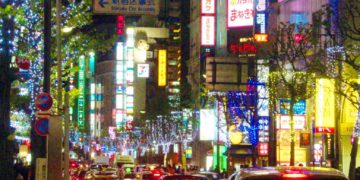
Floating bars offer constantly changing visual perspectives as vessels slowly rotate on their moorings, shift position with tidal changes, and provide viewing angles of the surrounding cityscape that remain unavailable from fixed land-based establishments. The interplay of city lights reflecting on water surfaces, the movement of other boats and river traffic, and the gradual changes in perspective throughout the evening create visual entertainment that complements rather than competes with social interaction.
These visual elements become particularly spectacular during Fukuoka’s frequent festivals, when fireworks displays reflect in the water, traditional boat parades pass by floating bar patrons, and the combination of celebration, water, and cityscape creates uniquely memorable experiences.
Navigating Nakasu’s Floating Venues
Types of Floating Establishments
Nakasu’s floating nightlife encompasses several distinct categories of water-based venues, each offering different experiences and catering to different customer preferences. Understanding these categories helps visitors select appropriate venues and set proper expectations for their floating bar experiences.
Traditional Yakatabune Restaurants maintain the most authentic connection to historical pleasure boat culture, featuring traditional Japanese architecture, kaiseki-style dining, and entertainment programs that might include geisha performances, traditional music, or cultural presentations. These establishments typically require reservations and substantial budgets but provide the most culturally immersive floating experiences.
Modern Floating Bars adapt contemporary bar culture to aquatic environments, featuring extensive cocktail menus, casual dining options, and atmospheres designed for social interaction rather than formal cultural experiences. These venues often welcome walk-in customers and provide more accessible introductions to floating nightlife culture.
Hybrid Boat-Restaurants combine elements of traditional and contemporary approaches, offering both casual dining and cultural entertainment options depending on customer preferences and group compositions. These establishments often provide the most flexibility for international visitors seeking authentic experiences without rigid cultural protocols.
Boarding Procedures and Protocols
Accessing floating establishments requires understanding boarding procedures that ensure both safety and cultural appropriateness. Most venues provide designated boarding areas with secure walkways or small tender boats that transport customers to larger floating platforms.
The boarding process typically includes brief safety orientations, assistance with potentially unstable transitions between land and water-based platforms, and explanations of venue-specific protocols for moving around floating structures. Staff members trained in water safety assist with boarding procedures and remain available throughout visits to ensure customer comfort and security.
Understanding these procedures in advance helps visitors approach floating venues with confidence while demonstrating respect for the safety considerations and cultural traditions that govern aquatic entertainment experiences.
Timing and Tidal Considerations
Nakasu’s floating venues operate according to tidal schedules that affect both accessibility and experience quality. High tide periods typically provide the most stable conditions and easiest boarding access, while low tide conditions might offer more dramatic visual perspectives and intimate atmospheres as floating platforms settle closer to water surfaces.
Many experienced patrons time their visits to coincide with specific tidal conditions that enhance particular aspects of the floating experience. Sunset visits during incoming tides often provide spectacular visual conditions as city lights begin reflecting on rising water surfaces. Late evening visits during stable high tide conditions typically offer the most comfortable dining and drinking environments.
Culinary Culture on the Water
Fukuoka’s Maritime Cuisine Heritage
Nakasu’s floating restaurants showcase Fukuoka’s distinctive culinary culture, which developed around the city’s role as a major port connecting Japan with continental Asia. The combination of fresh seafood from nearby Hakata Bay, agricultural products from Kyushu’s fertile interior, and culinary influences from Korea and China creates a unique regional cuisine perfectly suited to waterfront dining experiences.
The city’s famous mentaiko (spicy cod roe), mizutaki (chicken hot pot), and tonkotsu ramen all feature prominently in floating restaurant menus, often prepared with regional variations that reflect local preferences and seasonal ingredient availability. The aquatic setting enhances these dining experiences by connecting diners directly to the maritime environment that produces much of Fukuoka’s distinctive cuisine.
Specialized Preparation Challenges
Cooking on floating platforms presents unique challenges that have led to specialized preparation techniques and menu adaptations. Chefs working on boats must account for movement that affects cooking surfaces, limited storage space for ingredients and equipment, and utility systems that differ significantly from land-based kitchen operations.
These constraints have fostered innovation in menu design and cooking techniques that often enhance rather than limit culinary experiences. Many floating restaurants feature specialized equipment designed for marine environments, preparation methods that create interactive cooking experiences for customers, and serving styles that accommodate the motion and space limitations of waterborne dining.
Sake and Local Beverages
Floating bars provide ideal settings for experiencing Kyushu’s distinctive sake and shochu culture, with regional varieties that complement both the aquatic atmosphere and Fukuoka’s maritime cuisine. Local sake breweries produce varieties specifically designed to pair with seafood-heavy regional dishes, while Kyushu’s famous sweet potato and barley shochu offer alternatives that reflect the island’s agricultural heritage.
The gentle motion of floating venues affects the perception of alcoholic beverages, often enhancing their relaxing effects while encouraging slower, more contemplative consumption that aligns with traditional Japanese drinking culture. Many floating establishments feature sake and shochu tasting programs that take advantage of these environmental effects to create educational drinking experiences.
Cultural Protocols and Social Dynamics
Group Dynamics on Water
The confined spaces and shared motion experiences of floating venues create unique social dynamics that differ significantly from land-based entertainment environments. The inability to easily leave or change locations encourages deeper social interaction and creates shared experiences that bond customers in ways that conventional bars cannot replicate.
Many floating establishments deliberately design their spaces to encourage interaction between different customer groups, creating communal seating arrangements, shared viewing areas, and social spaces where strangers naturally begin conversations about their mutual floating experiences. This social dynamic reflects traditional Japanese hospitality concepts while adapting them to the unique constraints and opportunities of aquatic environments.
Etiquette for Motion Sensitivity
Not all customers adapt easily to the motion of floating venues, creating etiquette considerations around motion sensitivity that don’t exist in conventional entertainment settings. Experienced floating bar patrons understand how to assist motion-sensitive customers, recognize early signs of discomfort, and suggest positioning or activities that minimize motion-related problems.
Venues typically provide guidance on optimal seating positions for motion-sensitive customers, offer alternatives for those who develop discomfort during visits, and maintain protocols for safely assisting customers who need to leave due to motion-related issues. Understanding these considerations helps all patrons contribute to positive group experiences.
Photography and Social Media Considerations
The unique visual opportunities provided by floating venues create special considerations around photography and social media sharing. While the distinctive perspectives and dramatic lighting conditions make floating bars naturally photogenic, the confined spaces and shared experiences require sensitivity to other customers’ privacy and comfort.
Many floating establishments have developed photography protocols that balance customers’ desires to document unique experiences with the privacy expectations and intimate atmospheres that make these venues special. Understanding these protocols helps visitors capture memorable photos while respecting the social dynamics that make floating nightlife experiences valuable.
Seasonal Variations and Weather Considerations
Summer: Peak Floating Season
Summer represents the peak season for Nakasu’s floating nightlife, when warm temperatures, stable weather patterns, and extended daylight hours create optimal conditions for waterborne entertainment. Evening temperatures remain comfortable for outdoor dining, water levels typically remain stable, and the combination of city lights and water reflections creates spectacular visual conditions.
Summer floating experiences often extend later into the evening as comfortable temperatures encourage prolonged socializing and the stable water conditions provide the most comfortable motion experiences. Many venues offer summer-specific menus featuring cooling dishes and refreshing beverages designed to complement warm weather and aquatic environments.
Autumn: Dramatic Lighting and Comfortable Conditions
Autumn brings some of the most spectacular visual conditions for floating nightlife experiences, as shorter days create dramatic lighting transitions and cooler temperatures provide comfortable conditions for both indoor and outdoor venue areas. The changing seasonal conditions often create more dramatic water surface effects and enhance the visual impact of city lights reflecting on water.
Fall weather patterns can create more variable water conditions, leading to more pronounced motion experiences that some customers find either more exciting or more challenging depending on their motion sensitivity and experience levels.
Winter: Intimate Indoor Experiences
Winter transforms Nakasu’s floating culture toward more intimate, indoor-focused experiences as venues adapt to cooler temperatures and potentially more challenging weather conditions. Many floating establishments feature extensive interior spaces with heating systems and weather protection that create cozy environments enhanced by the unique motion and acoustic properties of waterborne venues.
Winter floating experiences often emphasize warming foods, heated beverages, and social activities that take advantage of the intimate atmospheres created by smaller groups sharing enclosed spaces on gently moving platforms.
Spring: Renewal and Festival Seasons
Spring brings renewal to Nakasu’s floating culture as venues reopen outdoor areas, feature seasonal ingredients, and prepare for the busy summer season. Many of Fukuoka’s traditional festivals occur during spring months, creating opportunities for floating venue patrons to observe celebrations from unique water-based perspectives.
Spring weather can be variable, creating both opportunities for spectacular experiences and challenges related to changing water and weather conditions. Experienced floating bar enthusiasts often consider spring the most exciting season for aquatic nightlife due to the combination of renewal energy, festival activities, and dramatic weather and lighting conditions.
Practical Guide to Floating Bar Experiences
Preparation and What to Expect
First-time floating bar visitors should prepare for experiences that differ significantly from conventional nightlife. Appropriate clothing includes non-slip shoes, layers that can accommodate temperature changes, and garments that won’t be damaged by occasional water spray or humid conditions.
Mental preparation involves understanding that floating venues prioritize unique experiences over conventional comfort, that motion sensitivity might affect alcohol tolerance, and that the intimate social dynamics require openness to interaction with other customers and venue staff.
Booking and Reservation Strategies
Many of Nakasu’s most authentic floating establishments require advance reservations, particularly during peak summer months and festival periods. International visitors should make reservations through hotel concierges or tour operators who understand venue requirements and can communicate dietary restrictions or special requests.
Some floating bars accept walk-in customers, but these tend to be more contemporary venues that might not provide the most authentic traditional experiences. Planning ahead allows access to the most culturally significant venues and ensures availability during preferred dates and times.
Budget Considerations
Floating bar experiences typically cost more than conventional land-based entertainment due to the specialized equipment, safety requirements, and unique experiences provided. Expect to budget ¥8,000-15,000 per person for authentic floating restaurant experiences, with premium traditional yakatabune experiences potentially costing significantly more.
The higher costs reflect not just the uniqueness of the experience but the genuine operational expenses associated with waterborne venues, including specialized staff training, enhanced safety equipment, and the engineering requirements for maintaining stable, comfortable platforms on water.
Transportation and Access
Reaching Nakasu’s floating venues requires understanding the district’s unique geography and transportation options. The island is accessible via bridges from both sides of the rivers, with the nearest subway stations requiring short walks through the entertainment district to reach waterfront boarding areas.
Many floating venues provide shuttle services or specific directions to their boarding facilities, which might not be immediately obvious to first-time visitors. Allow extra time for navigation and boarding procedures, particularly during busy evening hours when multiple venues might have boarding activities occurring simultaneously.
The Future of Floating Nightlife
Environmental Considerations and Sustainability
Nakasu’s floating venues increasingly focus on environmental sustainability as awareness grows about the impact of waterborne commercial activities on river ecosystems. Many establishments have implemented waste management systems, water conservation measures, and energy efficiency programs designed to minimize their environmental footprint.
These sustainability efforts often enhance rather than compromise the cultural authenticity of floating experiences, as traditional Japanese culture emphasizes harmony with natural environments and responsible resource use. Modern floating venues that successfully integrate environmental responsibility with cultural authenticity often provide the most meaningful experiences for environmentally conscious visitors.
Cultural Preservation and Innovation
The floating bar culture of Nakasu represents a unique fusion of traditional Japanese pleasure boat culture with contemporary entertainment preferences. Maintaining this balance requires ongoing innovation that preserves essential cultural elements while adapting to changing customer expectations and technological possibilities.
Successful floating venues increasingly emphasize cultural education alongside entertainment, helping customers understand the historical and cultural significance of yakatabune traditions while providing contemporary amenities and social experiences that appeal to modern audiences.
Conclusion: Riding the Tide of Unique Culture
Nakasu’s floating bar culture offers something genuinely unique in Japan’s diverse nightlife landscape: entertainment experiences that quite literally move with natural rhythms while connecting patrons to centuries of maritime cultural traditions. The district’s tiny boats and floating platforms create stages for social, culinary, and cultural experiences that exist nowhere else in the country.
For international visitors seeking authentic insights into Japanese innovation and cultural adaptation, Nakasu demonstrates how geographical constraints can become cultural opportunities through creative engineering and deep understanding of traditional entertainment concepts. The investment in time, budget, and cultural preparation required to properly experience floating nightlife yields rewards that transcend conventional entertainment.
This isn’t casual drinking or conventional tourism—it’s immersion in a unique cultural phenomenon that reflects Fukuoka’s distinctive character as a port city where maritime traditions continue to shape contemporary life. The gentle motion of floating venues, the acoustic properties of waterborne environments, and the social dynamics created by shared aquatic experiences combine to create memories that conventional nightlife cannot provide.
Nakasu’s floating bars remind us that some of Japan’s most authentic cultural experiences emerge from practical solutions to geographical challenges, transformed through generations of refinement into sophisticated traditions that continue to evolve while maintaining their essential character. Here, where rivers meet revelry, visitors can experience Japan’s genius for turning constraints into cultural treasures—one gently rocking drink at a time.
In the floating venues of Nakasu, the boundary between entertainment and environment dissolves, creating experiences where the rhythm of the water becomes the rhythm of the evening, and where the very motion of the venue becomes an integral part of the cultural experience being offered.