








Discovering the hidden culinary underground behind Osaka’s brightest neon lights
Introduction: Beyond the Neon Curtain
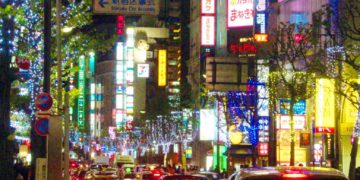
When most visitors think of Dotonbori, they envision the iconic neon signs, the mechanical crab crawling across building facades, and the tourist-packed bridges where selfie sticks create temporary forests against the canal backdrop. But this theatrical facade, brilliant as it may be, conceals one of Japan’s most authentic late-night food cultures hidden just one block away in the shadowed alleys of Soemoncho.
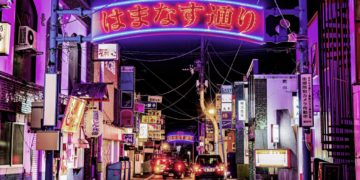
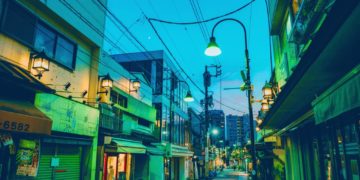
While Dotonbori’s main drag performs its nightly spectacle for millions of visitors, Soemoncho operates according to different rules entirely. Here, in narrow passages that barely accommodate two people walking side by side, Osaka’s real culinary soul reveals itself through establishments that have been perfecting their craft for decades, serving locals who slip away from the tourist chaos to find the flavors that actually define the city’s legendary food culture.
This isn’t the sanitized version of Osaka dining found in guidebooks or the Instagram-friendly presentations that dominate social media. This is yatai culture in its most authentic form—tiny stalls and hole-in-the-wall establishments where master chefs work alone or with single assistants, creating dishes that represent generations of family recipes and regional techniques passed down through apprenticeships that most of the culinary world has forgotten.
Between midnight and 3 AM, when the last trains have departed and Dotonbori’s tourist crowds begin to thin, Soemoncho transforms into something resembling a secret society of serious eaters, where night shift workers, taxi drivers, restaurant industry professionals, and a select few informed visitors gather around tiny counters to experience Osaka’s food culture in its most concentrated and authentic form.
The Architecture of Hidden Hunger
Understanding Soemoncho’s Invisible Geography
Soemoncho’s layout reflects over 400 years of urban evolution, where narrow passages originally designed for discrete movement between entertainment establishments have been adapted to house some of Osaka’s most intimate dining experiences. Unlike the wide, tourist-friendly boulevards of modern Dotonbori, these alleys preserve the scale and atmosphere of historical pleasure quarters where privacy and exclusivity took precedence over accessibility.
The district’s maze-like structure serves multiple functions in contemporary late-night dining culture. The narrow passages naturally limit crowd sizes, creating intimate atmospheres that large tourist groups cannot overwhelm. The irregular street patterns discourage casual exploration, ensuring that most diners have made deliberate choices to seek out specific establishments rather than stumbling upon them accidentally.
The Language of Subtle Signage
While Dotonbori announces itself through massive illuminated displays, Soemoncho’s establishments communicate through subtle visual codes that reward careful observation. Hand-painted wooden signs, often no larger than notebook pages, announce specialties in calligraphy that might take years to master. Fabric curtains (noren) hanging outside doorways indicate operational status while providing glimpses into interior atmospheres.
Understanding these visual languages becomes crucial for late-night navigation, as many of the best establishments deliberately avoid obvious tourist marketing in favor of maintaining clienteles of regular customers who appreciate authenticity over convenience.
Vertical Dining: The Art of Basement and Second-Floor Secrets
Many of Soemoncho’s most remarkable dining experiences occur in basement spaces or cramped second-floor rooms accessible only through narrow staircases that seem designed to test customer commitment. These elevated and subterranean venues often house the most skilled chefs and specialized preparations, creating multi-layered dining geography that rewards exploration beyond street-level establishments.
The vertical dimension of Soemoncho dining reflects practical constraints—expensive real estate, limited space, building regulations—transformed into cultural advantages that create intimate, almost conspiratorial dining atmospheres unavailable in conventional restaurant settings.
The Midnight Masters: Profiles in Late-Night Culinary Excellence
Kushikatsu Culture Beyond Tourist Traps
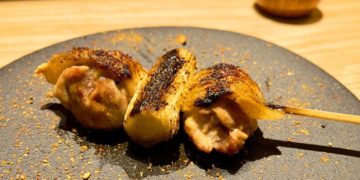
While Dotonbori’s main streets feature kushikatsu (fried skewer) chains designed for tourist consumption, Soemoncho’s hidden establishments practice this Osaka specialty as high culinary art. Master fryers who have spent decades perfecting their techniques work alone at tiny counters, selecting ingredients that change daily based on market availability and seasonal considerations.
The difference between tourist kushikatsu and authentic late-night versions extends far beyond ingredient quality. Traditional masters understand oil temperature management, coating techniques, and timing sequences that create textures and flavors impossible to achieve through industrial methods. They often maintain relationships with specific suppliers who provide ingredients unavailable to larger establishments, creating unique menu items that exist nowhere else in the city.
The Science of Perfect Frying
Watching authentic kushikatsu preparation becomes a masterclass in thermal dynamics and ingredient chemistry. Masters maintain multiple oil temperatures simultaneously, understand how different coating types affect cooking times, and can judge doneness through subtle visual and audio cues that require years of experience to develop.
The social protocol surrounding authentic kushikatsu consumption—including the famous “no double-dipping” rule—reflects not arbitrary tradition but practical wisdom developed over generations of shared dining experiences. Understanding these protocols enhances appreciation while demonstrating respect for cultural practices that govern communal food experiences.
Abura Soba: The Underground Noodle Revolution
Hidden in Soemoncho’s deepest recesses, several establishments specialize in abura soba (oil noodles)—a ramen variation that eliminates broth in favor of concentrated flavoring oils and toppings that create intense, concentrated taste experiences. These preparations require different techniques and ingredient balances than conventional ramen, often representing innovations developed by chefs seeking to create distinctive offerings within crowded competitive markets.
The best abura soba masters understand how different oil types affect flavor development, how noodle textures interact with oil-based sauces, and how timing affects the integration of multiple flavor components. Their tiny establishments often seat fewer than eight customers, creating intimate environments where diners can observe every aspect of preparation while engaging directly with masters who rarely have opportunities to explain their techniques.
Shime Saba: The Art of Midnight Sushi
Several Soemoncho establishments specialize in shime saba (vinegar-cured mackerel) and other preparations that showcase the sophisticated side of Osaka’s relationship with fresh fish. Unlike the theatrical sushi experiences found in tourist-oriented establishments, these venues practice sushi as quiet craftsmanship, emphasizing ingredient quality and technical precision over entertainment value.
Late-night sushi in Soemoncho often focuses on preparations that benefit from extended curing times, seasonal ingredients that arrive at their peak during evening hours, and techniques that showcase the chef’s individual interpretation of traditional methods. The intimate counter settings create opportunities for educational interactions while maintaining the contemplative atmosphere that serious sushi preparation requires.
The Choreography of Late-Night Dining
Timing the Food Crawl: Understanding Peak Hours
Soemoncho’s dining culture operates according to complex timing patterns that reflect the work schedules of various customer demographics. The period between midnight and 1 AM typically features restaurant industry professionals finishing their own shifts, creating atmospheres where serious food discussion and professional networking occur alongside casual dining.
The 1 AM to 2 AM window often provides optimal experiences for visitors, as initial crowds thin while establishments maintain full energy and ingredient availability. Masters often have more time for conversation and explanation during these periods, creating educational opportunities unavailable during busier times.
The final hour before 3 AM closing times can offer either deeply authentic experiences with dedicated late-night customers or disappointing encounters with depleted ingredients and tired staff. Understanding individual establishment patterns helps optimize timing for maximum cultural and culinary value.
The Protocol of Counter Seating
Most authentic Soemoncho establishments feature counter seating that places diners in direct proximity to food preparation while creating social dynamics that require understanding of Japanese dining etiquette. Counter positions closest to the chef typically receive the most attention and educational interaction, while seats near entrances might experience more disruption from arriving and departing customers.
The rhythm of counter dining involves periods of focused eating alternated with conversation opportunities when preparation activities create natural breaks. Understanding these rhythms helps visitors participate appropriately in the social dynamics while maximizing their cultural and educational experiences.
Navigation Strategy: The Four-Stop Method
Successful Soemoncho food crawling typically follows a four-establishment progression that balances different cuisines, preparation styles, and social atmospheres while managing appetite and alcohol consumption throughout the evening.
Stop 1: Kushikatsu Foundation (Midnight – 12:45 AM) Begin with authentic kushikatsu that provides substantial food foundation while introducing visitors to Osaka’s signature flavors and social dining protocols.
Stop 2: Noodle Transition (12:45 AM – 1:30 AM) Progress to abura soba or specialized ramen that offers different textures and preparation methods while maintaining substantial caloric intake that supports continued exploration.
Stop 3: Refined Technique (1:30 AM – 2:15 AM) Experience sushi or other preparations that showcase individual chef expertise and allow for educational interaction about traditional techniques and ingredient selection.
Stop 4: Comfort Conclusion (2:15 AM – 3 AM) End with familiar preparations—perhaps simple grilled items or rice dishes—that provide satisfying conclusion while allowing reflection on the evening’s cultural experiences.
Hidden Gems: The Underground All-Stars
Kushikatsu Daruma (Original Branch – Off the Tourist Path)
While the main Dotonbori Daruma locations cater to tourist crowds, the original hidden branch tucked deep in Soemoncho maintains authentic preparation methods and local customer base. The master fryer, working alone at a tiny counter, demonstrates techniques passed down through three generations of family ownership.
The establishment’s limited seating (eight counter spots) creates intimate atmosphere where regular customers engage in ongoing conversations that span weeks or months. New customers can earn temporary inclusion through demonstration of genuine interest in kushikatsu culture and respect for house protocols.
Signature Experience: Request the master’s selection (omakase) that features seasonal ingredients and preparations unavailable at tourist locations. The additional cost reflects ingredient quality and specialized preparation methods that demonstrate kushikatsu’s potential as sophisticated cuisine.
Optimal Timing: Arrive between 12:30 AM and 1 AM for best ingredient availability and master attention. Avoid weekend evenings when even this hidden location may experience tourist overflow.
Menya Takemura: The Abura Soba Laboratory
Hidden in a basement space accessible only through an unmarked stairway, Menya Takemura represents the cutting edge of Osaka’s noodle innovation. The single chef-owner experiments with oil combinations, noodle textures, and topping arrangements that push abura soba beyond traditional boundaries while respecting its essential character.
The establishment’s seven-seat counter creates opportunities for direct interaction with the chef, who explains his techniques and ingredient choices for customers who demonstrate genuine interest. The experimental nature of the menu means that visits often feature unique preparations that exist nowhere else.
Signature Experience: The “Midnight Special” features different oil combinations that change nightly based on ingredient availability and the chef’s creative inspiration. This preparation showcases the potential for innovation within traditional noodle culture.
Optimal Timing: Peak hours occur between 1 AM and 2 AM when the chef has maximum energy for explanation and experimentation. Reservations not accepted; early arrival essential.
Sushi Yamamoto: The Whispered Legend
Operating without signage in a second-floor space above a seemingly abandoned storefront, Sushi Yamamoto serves what many consider Osaka’s most authentic late-night sushi experience. The master, trained in Tokyo’s Tsukiji market culture, applies traditional techniques to Osaka Bay’s distinctive fish varieties.
Access requires introduction from existing customers or hotel concierges familiar with the establishment. The eight-seat counter hosts primarily local business owners and restaurant industry professionals who appreciate the master’s commitment to traditional techniques and seasonal awareness.
Signature Experience: The late-night omakase features fish preparations that benefit from extended aging and curing processes, creating flavor profiles unavailable during conventional dinner hours.
Access Protocol: Contact through hotel concierge services or established Osaka dining connections. Walk-in customers rarely accepted without proper introduction.
Ramen Jiro Osaka: The 2 AM Salvation
This tiny establishment, unrelated to the famous Tokyo chain despite similar naming, specializes in intensely flavored ramen designed specifically for late-night consumption. The single chef creates broths that require 18-hour preparation processes, serving only until ingredients are exhausted.
The establishment’s rough appearance and minimal seating (six stools) belie the sophistication of its broth preparation and noodle selection. Regular customers include taxi drivers, night shift workers, and restaurant industry professionals who appreciate the intense flavors and substantial portions.
Signature Experience: The “Night Worker Special” features extra-rich broth and double noodle portions designed to provide sustenance for customers working through dawn hours.
Optimal Timing: Arrive before 2 AM for full menu availability. After 2:30 AM, limited selections based on remaining ingredients.
The Economics of Authentic Late-Night Dining
Understanding Value Propositions
Soemoncho’s authentic establishments operate according to different economic principles than tourist-oriented venues, often providing superior ingredient quality and preparation techniques at lower prices due to reduced overhead costs and local customer loyalty.
Prices typically range from ¥800-2,000 per substantial dish, with premium establishments charging ¥3,000-5,000 for specialized omakase experiences. These prices reflect genuine costs rather than tourist markup, making authentic late-night dining remarkably affordable compared to international fine dining standards.
Payment Protocols and Cultural Considerations
Most establishments prefer cash transactions, though larger venues may accept credit cards. Tipping is neither expected nor accepted, with service quality reflecting professional pride rather than financial incentives.
Understanding payment timing—typically at the end of each establishment visit—and appropriate ways to show appreciation (respectful conversation, return visits, word-of-mouth recommendations) enhances relationships with masters while supporting sustainable business practices.
Budget Allocation Strategies
Successful Soemoncho food crawling typically requires ¥6,000-10,000 per person, depending on establishment selection and consumption levels. Budget allocation should emphasize quality experiences over quantity, with higher spending at establishments that offer unique preparations or educational opportunities.
Cultural Context and Social Dynamics
Understanding Osaka’s Food Identity
Soemoncho’s late-night dining culture reflects broader aspects of Osaka’s cultural identity as a merchant city where practical considerations and genuine hospitality take precedence over formal protocols. The direct communication styles, unpretentious presentations, and focus on flavor over appearance all reflect cultural values that distinguish Osaka from Tokyo’s more formal dining scenes.
Navigating Social Hierarchies
Late-night dining establishments often feature informal social hierarchies based on customer regularity, cultural knowledge, and appreciation for establishment specialties. New customers can earn respect through demonstration of genuine interest, appropriate etiquette, and willingness to try challenging preparations.
Understanding these social dynamics helps visitors contribute positively to establishment atmospheres while gaining access to insider knowledge and special preparations that casual customers might not experience.
Language and Communication
While English language support is limited in most authentic establishments, food provides universal language that transcends linguistic barriers. Learning basic Japanese food vocabulary and appreciation expressions enhances interactions while demonstrating cultural respect.
Many masters appreciate customers who show genuine curiosity about preparation techniques, ingredient sources, and cultural significance of specific dishes, often leading to impromptu educational experiences that enrich the dining experience.
Safety and Practical Considerations
Late-Night Navigation Safety
Soemoncho’s narrow, poorly lit alleys require attention to personal safety, especially during late evening hours when alcohol consumption might affect judgment and coordination. The district is generally safe, but visitors should remain aware of their surroundings and avoid isolated areas during peak intoxication periods.
Understanding taxi availability, last train schedules, and nearby hotel locations helps ensure safe return to accommodations regardless of how late dining experiences extend.
Managing Progressive Consumption
Extended food crawling involves substantial caloric and alcohol intake that requires ongoing management for both safety and experience quality. Pacing consumption, staying hydrated, and honest assessment of individual tolerance levels prevents overindulgence that can diminish cultural appreciation or create safety concerns.
Weather and Seasonal Considerations
Osaka’s climate affects late-night dining comfort and establishment operations, with summer heat and humidity creating challenging conditions for tiny, crowded venues without extensive air conditioning. Winter cold can make transitions between establishments uncomfortable, requiring appropriate clothing strategies.
Understanding seasonal ingredient availability and establishment modifications helps set appropriate expectations while maximizing seasonal dining opportunities.
Seasonal Specialties and Timing Optimization
Spring: Seasonal Renewal and Fresh Ingredients
Spring brings unique opportunities for seasonal ingredients that showcase Osaka Bay’s maritime resources and regional agricultural products. Many Soemoncho establishments feature limited-time preparations that celebrate seasonal renewal while demonstrating chef creativity within traditional frameworks.
Cherry blossom season creates increased tourism pressure but also enhanced festival atmospheres that can make late-night dining more celebratory and socially engaging.
Summer: Cooling Traditions and Extended Hours
Summer heat leads many establishments to extend hours and feature cooling preparations designed for hot weather consumption. Beer and cold sake consumption increases, while food preparations often emphasize lighter flavors and cooling ingredients.
The combination of heat and late-night exploration requires careful hydration management and realistic assessment of comfort levels during extended outdoor navigation between venues.
Autumn: Harvest Celebrations and Premium Ingredients
Autumn brings premium seasonal ingredients that many masters incorporate into special preparations available only during peak harvest periods. The comfortable temperatures often provide optimal conditions for extended food crawling while seasonal celebrations create enhanced social atmospheres.
Winter: Comfort Foods and Warming Preparations
Winter emphasizes warming foods and preparations that provide comfort during cold weather exploration. Many establishments feature seasonal hot pot variations, warming sake selections, and hearty preparations designed for cold weather consumption.
Indoor focus during winter months can create more intimate dining experiences while potentially increasing crowding in smaller establishments.
Conclusion: Discovering Osaka’s Culinary Soul
Soemoncho after midnight reveals aspects of Osaka’s food culture that remain invisible during conventional dining hours and tourist-oriented experiences. The district’s hidden alleys and secret establishments provide access to culinary traditions that connect directly to the city’s historical identity as Japan’s kitchen, where merchant culture and practical wisdom created approaches to food that prioritize flavor, value, and authentic hospitality over spectacle and formal service.
The masters working in these tiny establishments represent living links to culinary traditions that span generations, their techniques and recipes refined through decades of practice in environments where only genuine quality ensures survival. Their willingness to share knowledge with visitors who demonstrate appropriate respect and genuine interest creates educational opportunities that transcend typical dining experiences.
For travelers seeking authentic insights into Japanese food culture beyond superficial tourism, Soemoncho’s late-night scene offers immersion in active culinary traditions where innovation and preservation coexist in ways that reflect broader aspects of Japanese cultural adaptation. The investment in time, cultural preparation, and willingness to explore beyond obvious tourist destinations yields experiences that enhance understanding of how food functions as cultural expression, community building, and artistic practice.
This isn’t casual dining or conventional entertainment—it’s participation in living cultural traditions where every dish carries historical significance, every preparation demonstrates accumulated wisdom, and every interaction provides opportunities for cultural exchange that extends far beyond simple consumption.
In Soemoncho’s narrow alleys, where neon light barely penetrates and tourist crowds cannot follow, Osaka’s authentic culinary soul continues to thrive, maintained by masters who understand that the best food culture develops not in bright lights and obvious places, but in shadows where tradition and innovation combine to create experiences that exist nowhere else in the world.
The kushikatsu that begins the journey and the late-night ramen that concludes it represent more than different dishes—they embody different approaches to craftsmanship, hospitality, and cultural preservation that continue to define Osaka’s distinctive character in an increasingly homogenized world.