









Exploring the intellectual salons and cultural underground that survived Tokyo’s post-war transformation
Introduction: Where History Drinks with Tomorrow
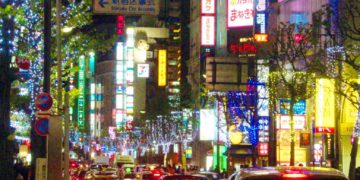
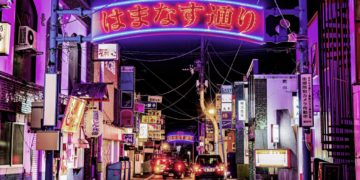
In the heart of Shinjuku, where skyscrapers pierce the night sky and neon rivers flow through streets that never sleep, six narrow alleys preserve something far more precious than Tokyo’s past—they maintain its creative soul. Golden Gai isn’t just a tourist destination marked by tiny bars and nostalgic atmosphere; it’s a living laboratory where post-war Japan’s intellectual and artistic communities created cultural movements that continue to shape contemporary Japanese society.
These 300-meter passages, containing over 280 establishments in an area smaller than a city block, represent one of the world’s most concentrated creative ecosystems. Here, in bars barely wider than phone booths, writers crafted novels that defined generations, filmmakers developed cinematic languages that influenced global culture, and musicians created sounds that bridged traditional Japanese aesthetics with international innovation.
For international visitors accustomed to entertainment districts designed for mass consumption, Golden Gai operates according to different principles entirely. This is where cultural authenticity survives through exclusivity, where meaningful conversation takes precedence over commercial efficiency, and where the intimate scale of individual establishments creates opportunities for genuine intellectual exchange that large venues cannot replicate.
Understanding Golden Gai requires recognizing its function as more than a drinking district—it’s a cultural institution where Tokyo’s creative communities continue to gather, debate, and create the ideas that influence broader Japanese society. The narrow alleys that seem quaint or cramped actually represent sophisticated social architecture designed to facilitate the kind of close interaction that produces genuine cultural innovation.
The Six Alleys: Cultural Geography of Creative Tokyo
Alley 1: The Literary Heartland
The first alley of Golden Gai, running parallel to Yasukuni-dori, contains the highest concentration of establishments that cater to writers, publishers, and literary enthusiasts. These bars often feature extensive book collections, walls covered with literary magazines, and customer bases that include some of Japan’s most influential contemporary authors.
The literary culture here operates according to sophisticated protocols where conversation quality matters more than commercial transaction, where regular customers earn respect through cultural knowledge rather than spending power, and where newcomers must demonstrate genuine intellectual curiosity to gain acceptance.
Cultural Significance: This alley preserves the tradition of literary salons that shaped post-war Japanese literature, where writers like Yukio Mishima and Kōbō Abe developed their artistic philosophies through late-night conversations that continued for decades.
Alley 2: Film and Visual Culture
The second alley attracts filmmakers, critics, and cinema enthusiasts who use these intimate venues to discuss projects, share industry knowledge, and maintain the informal networks that drive Japanese film culture. Many establishments feature film memorabilia, movie screening capabilities, and customer bases that span multiple generations of Japanese cinema.
The film culture here reflects the collaborative nature of creative industries, where directors, producers, actors, and critics gather in democratic environments that break down formal industry hierarchies while maintaining respect for artistic achievement and cultural contribution.
Cultural Significance: This alley continues the tradition of cinema culture that emerged in post-war Japan, where international film influences merged with traditional Japanese aesthetics to create distinctive cinematic languages.
Alley 3: Music and Performance
The third alley specializes in music culture, featuring establishments that attract musicians, composers, and music industry professionals who use these venues for informal networking, creative collaboration, and the kind of musical exchange that produces innovative artistic fusion.
Many bars in this alley feature high-quality sound systems, live performance capabilities, and musical instrument collections that allow for spontaneous performances and collaborative musical exploration that bridges traditional and contemporary styles.
Cultural Significance: This alley preserves the tradition of musical experimentation that characterized post-war Japanese culture, where traditional instruments and techniques merged with international influences to create new musical expressions.
Alley 4: Visual Arts and Design
The fourth alley attracts visual artists, designers, and gallery professionals who use these intimate venues to discuss artistic trends, plan exhibitions, and maintain the informal networks that support Tokyo’s visual arts communities.
The aesthetic sensibilities of these establishments often reflect the artistic tastes of their proprietors and regular customers, creating gallery-like environments where artistic discussion and visual appreciation become integral parts of the drinking experience.
Cultural Significance: This alley continues the tradition of artistic salons where visual artists developed the aesthetic principles that influenced Japanese design culture from graphic arts to architecture.
Alley 5: Media and Journalism
The fifth alley serves as an informal headquarters for journalists, editors, and media professionals who use these venues for source development, story collaboration, and the kind of information exchange that drives investigative journalism and cultural criticism.
The conversation culture here often involves sophisticated analysis of current events, media trends, and social developments, creating environments where professional journalism merges with cultural commentary and social critique.
Cultural Significance: This alley preserves the tradition of press culture that shaped post-war Japanese media, where journalists and intellectuals developed the analytical frameworks that continue to influence contemporary social commentary.
Alley 6: Academic and Intellectual Culture
The sixth alley attracts university professors, researchers, and intellectuals who use these venues for academic discussion, theoretical debate, and the kind of scholarly exchange that influences Japanese intellectual culture.
The intellectual culture here operates according to academic protocols where knowledge, analytical ability, and theoretical sophistication determine social status, creating environments where serious scholarly discussion occurs in relaxed social settings.
Cultural Significance: This alley continues the tradition of academic salons where university culture merged with popular culture to create intellectual movements that influenced broader Japanese society.
The Evolution of Creative Community Space
Post-War Origins and Cultural Necessity
Golden Gai emerged from the post-war period when Tokyo’s intellectual and artistic communities needed affordable spaces for cultural exchange and community building that conventional entertainment venues couldn’t provide. The small scale and low overhead costs of individual establishments allowed creative professionals to maintain regular gathering places despite limited economic resources.
The development of Golden Gai reflected broader social needs for cultural reconstruction, where traditional Japanese community values adapted to accommodate international influences and contemporary artistic expressions that required new forms of social organization.
The Economics of Cultural Preservation
Contemporary Golden Gai operates according to economic principles that prioritize cultural preservation over profit maximization, where many establishments function as cultural institutions rather than purely commercial enterprises. This approach allows the maintenance of intellectual culture that might otherwise be displaced by more commercially oriented entertainment.
Understanding these economic relationships helps visitors appreciate why Golden Gai’s cultural authenticity depends on respectful participation that supports rather than exploits the community dynamics that make these creative exchanges possible.
Adaptation and Contemporary Relevance
Modern Golden Gai continues to evolve while maintaining its essential character as a creative community space, adapting to technological changes, generational transitions, and international attention while preserving the intimate scale and intellectual focus that define its cultural value.
This adaptation involves ongoing negotiation between preservation and innovation, where traditional cultural protocols accommodate contemporary creative practices while maintaining the exclusive community atmosphere that enables genuine artistic and intellectual exchange.
Establishment Profiles: Cultural Landmarks
Bar Darling: The Literary Sanctuary
Bar Darling represents Golden Gai’s literary culture at its most authentic, featuring an extensive collection of rare books, literary magazines, and manuscripts that create a library atmosphere within a tiny drinking space. The proprietor maintains relationships with major publishing houses and literary figures that make this establishment a genuine center of contemporary Japanese literature.
The customer base includes established authors, emerging writers, literary critics, and publishing industry professionals who use the venue for manuscript consultations, collaborative projects, and the kind of literary discussion that influences contemporary Japanese writing.
Cultural Protocols: New customers should demonstrate genuine literary knowledge before attempting to engage in ongoing conversations. The establishment values intellectual contribution over commercial transaction.
Optimal Experience: Visit during weeknight evenings when serious literary discussion is most prominent. Bring literary credentials or genuine curiosity about contemporary Japanese literature.
La Jetée: Cinema Culture in Miniature
La Jetée specializes in film culture, featuring movie memorabilia, screening capabilities, and a customer base that includes directors, producers, critics, and cinema enthusiasts who treat the establishment as an informal film archive and discussion center.
The venue’s tiny scale creates intimate environments where film industry professionals share insights, collaborate on projects, and maintain the informal networks that drive Japanese cinema culture. The establishment often features impromptu screenings and film discussions that provide education unavailable through conventional cinema education.
Cultural Protocols: Demonstrate genuine film knowledge and respect for cinema as artistic expression rather than entertainment commodity. Engage seriously with ongoing film discussions.
Optimal Experience: Attend during evenings when film industry professionals gather for post-production celebrations or project planning sessions.
Albatross: The Musical Underground
Albatross serves as headquarters for Tokyo’s underground music scene, featuring high-quality sound systems, musical instruments, and a customer base that includes musicians, composers, and music industry professionals who use the venue for creative collaboration and musical experimentation.
The establishment’s musical culture emphasizes innovation, cross-cultural collaboration, and the kind of artistic risk-taking that produces genuine musical innovation rather than commercial entertainment.
Cultural Protocols: Musical competence and genuine artistic curiosity earn respect. Commercial music industry success matters less than artistic integrity and creative contribution.
Optimal Experience: Visit when live performances or collaborative musical sessions are scheduled. Bring musical credentials or demonstrate serious interest in musical innovation.
Champion: Media and Press Culture
Champion functions as an informal press club where journalists, editors, and media professionals gather for source development, story collaboration, and the kind of professional networking that drives investigative journalism and cultural criticism.
The establishment’s media culture operates according to professional journalism ethics while maintaining the informal atmosphere that enables genuine information exchange and collaborative investigation.
Cultural Protocols: Respect journalistic ethics, demonstrate understanding of media culture, and contribute meaningfully to ongoing professional discussions.
Optimal Experience: Engage during periods when major news stories create intensive discussion among media professionals.
Cultural Protocols and Community Integration
Understanding the Membership Mentality
Golden Gai operates according to informal membership systems where regular customers develop ongoing relationships with establishment proprietors and fellow patrons that extend beyond commercial transactions to encompass genuine community membership and mutual support.
These membership dynamics create exclusive communities that maintain their cultural authenticity through selective admission and social protocols that ensure compatibility between newcomers and established community members.
Conversation Culture and Intellectual Exchange
Successful participation in Golden Gai culture requires understanding that conversation quality determines social acceptance, where intellectual contribution, cultural knowledge, and genuine curiosity matter more than economic status or tourist appeal.
The conversation protocols emphasize listening skills, respectful inquiry, and meaningful contribution to ongoing discussions rather than dominating attention or treating cultural exchange as entertainment consumption.
Professional Networking and Creative Collaboration
Many Golden Gai relationships extend beyond social interaction to encompass professional collaboration, creative partnerships, and business relationships that influence broader Japanese cultural industries.
Understanding these professional dynamics helps visitors appreciate the establishment community functions while respecting the serious cultural work that occurs alongside social interaction.
The Architecture of Creative Intimacy
Space Design and Social Psychology
Golden Gai’s tiny establishments create psychological conditions that encourage intimate conversation, personal disclosure, and the kind of social bonding that produces genuine creative collaboration and intellectual exchange.
The physical constraints require customers to interact closely, share personal space, and participate in ongoing group dynamics rather than maintaining social distance or engaging in parallel individual activities.
Acoustic Environments and Communication
The sound design of Golden Gai establishments creates acoustic intimacy where conversation occurs at natural volumes that encourage attentive listening and thoughtful response rather than competitive speaking or background noise distraction.
Understanding these acoustic advantages helps visitors appreciate why meaningful intellectual and creative exchange flourishes in these tiny spaces despite their apparent limitations.
Visual Culture and Aesthetic Education
Many Golden Gai establishments function as informal galleries where artistic displays, book collections, and cultural artifacts provide continuous aesthetic education that influences customer tastes and cultural knowledge.
The visual environments reflect the aesthetic principles and cultural values that define each establishment’s community, creating immersive cultural experiences that extend beyond simple social interaction.
Economic Structures and Cultural Sustainability
The Economics of Cultural Community
Golden Gai’s economic model balances commercial sustainability with cultural preservation, where establishment revenues support community spaces that provide cultural value extending far beyond simple commercial entertainment.
Understanding these economic relationships helps visitors appreciate why respectful participation and appropriate financial contribution support the cultural institutions that make authentic creative community possible.
Pricing and Value Systems
Golden Gai pricing structures reflect the comprehensive cultural services provided—not just alcohol and food but access to creative communities, intellectual discussion, and cultural education that justifies costs that might seem high for simple drink service.
The pricing models support sustainable small business operations that maintain quality cultural environments while providing ongoing community support for creative professionals who depend on these establishments for networking and collaboration opportunities.
Supporting Cultural Infrastructure
Patronizing authentic Golden Gai establishments contributes to cultural ecosystems that support creative industries, intellectual development, and cultural preservation that maintains Tokyo’s distinctive creative character.
Understanding the cultural function of these establishments helps visitors recognize their role beyond entertainment to encompass essential cultural infrastructure that influences broader Japanese society.
Timing and Access Strategies
Understanding Peak Cultural Hours
Different Golden Gai establishments attract their core cultural communities during specific time periods that align with professional schedules, creative work patterns, and social rhythms that vary by industry and cultural focus.
Literary venues often peak during early evening hours when writers and publishers gather for post-work discussion, while music venues might reach their creative intensity during later evening hours when performance and collaboration activities are most active.
Seasonal Patterns and Cultural Events
Golden Gai culture varies significantly with seasonal events, industry schedules, and cultural celebrations that affect community gathering patterns and establishment programming.
Understanding these seasonal variations helps visitors time their experiences to coincide with periods of maximum cultural activity and community engagement.
Building Relationships Over Multiple Visits
The most meaningful Golden Gai experiences develop through multiple visits that allow relationship building with establishment proprietors and regular customers who can provide access to deeper cultural experiences and ongoing community participation.
This relationship development requires consistency, genuine cultural interest, and respect for community protocols that demonstrate commitment to cultural learning rather than casual tourism consumption.
Contemporary Challenges and Cultural Evolution
Tourism Pressure and Authenticity Preservation
Golden Gai faces ongoing challenges from tourism pressure that threatens to overwhelm the intimate community dynamics that enable authentic creative and intellectual exchange.
The community continues to develop strategies for managing tourist interest while preserving the exclusive cultural atmosphere that makes these establishments valuable for creative professionals and intellectual communities.
Generational Transition and Cultural Continuity
The aging of Golden Gai’s founding generation creates challenges and opportunities for cultural transition, where younger creative professionals must adapt traditional community protocols to contemporary creative practices and social needs.
Understanding these generational dynamics helps visitors appreciate the ongoing cultural evolution that maintains essential community character while adapting to contemporary creative and intellectual requirements.
International Recognition and Cultural Preservation
Growing international recognition of Golden Gai’s cultural significance creates both opportunities for cultural exchange and challenges for maintaining the authentic community dynamics that enable genuine creative collaboration.
The community continues to balance international interest with cultural preservation, creating protocols that allow meaningful cultural exchange while protecting the intimate community dynamics that define authentic Golden Gai culture.
Conclusion: The Enduring Power of Creative Community
Golden Gai represents something increasingly rare in contemporary urban culture: authentic creative community spaces where intellectual exchange, artistic collaboration, and cultural innovation continue to flourish through intimate social environments that prioritize meaningful relationship over commercial transaction.
For international visitors seeking genuine insight into Japanese creative culture beyond surface-level tourism, Golden Gai provides access to living cultural institutions where traditional community values enable contemporary creative expression and intellectual development.
The investment in cultural preparation, social sensitivity, and genuine intellectual curiosity required for meaningful participation in Golden Gai culture yields experiences that enhance understanding of Japanese creative industries while providing personal connections to ongoing cultural movements.
This isn’t entertainment in the conventional sense—it’s participation in cultural institutions that demonstrate how creative communities maintain their innovative potential through exclusive social environments that protect the intimate interaction necessary for genuine artistic and intellectual exchange.
In Golden Gai’s narrow alleys, where creative professionals continue to gather in spaces barely larger than closets, visitors can witness how authentic cultural community survives urban development pressures through commitment to values that prioritize creative collaboration over commercial efficiency.
The writer developing tomorrow’s novel in conversation with today’s established author, the filmmaker planning innovative projects with industry veterans, and the musician experimenting with new sounds in rooms that have hosted decades of creative exchange all represent aspects of cultural community that reveal themselves only to those willing to engage respectfully with living creative traditions.
Here, in six narrow alleys that changed Tokyo’s cultural history, the future of Japanese creative culture continues to emerge through conversations that transform individual artistic vision into collaborative cultural innovation—one intimate interaction at a time.