






Why Asakusa After Midnight Is a Whole New World
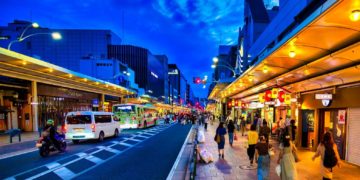
By day, Asakusa is a place of prayer and selfie sticks. The thunder gate (Kaminarimon), Senso-ji Temple, and bustling Nakamise Street attract flocks of tourists seeking a taste of “old Tokyo.” But after the souvenir shops shutter and the lanterns dim, the atmosphere shifts completely.
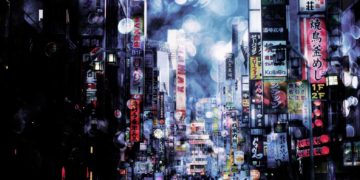
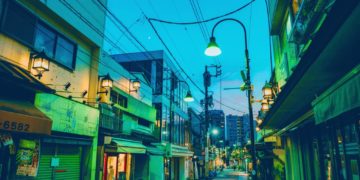
You’ll notice the quiet hum of electric lanterns, the sound of slippers on stone, and the scent of dashi from an alley where a late-night soba bar has just opened. Asakusa at night is the Tokyo that locals cherish—retro, raw, and deeply cinematic.
From Temples to Tobin Lights
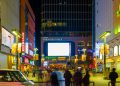
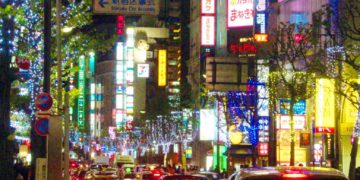
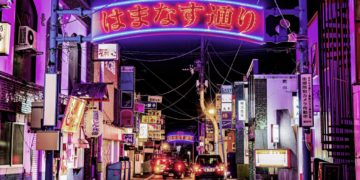
The most famous religious district in Tokyo has a dual identity. As dusk falls, Senso-ji’s grandeur fades into the background, and small alleyways like Hoppy Dori, Rokku, and Hisago Dori flicker to life with Showa-era charm. These aren’t the lights of modern Tokyo—they’re soft, warm chōchin (paper lanterns), often dyed red, marking the presence of aka-chōchin izakayas—tiny drinking dens where the past lives on.
Navigating Asakusa’s Hidden Night Routes
The ‘Ura-Asakusa’ Concept: Behind the Touristic Veil
“裏浅草” (Ura-Asakusa, or “Backside Asakusa”) refers to a secretive, local-facing side of the neighborhood that defies the tourist sheen. Here, you’ll find independent bars, hobbyist-run eateries, and establishments run by the same family for decades.
Back alleys behind Hanayashiki Amusement Park or the maze-like lanes west of Asakusa ROX lead to karaoke snack bars, standing sake shops, and places where time feels stuck in 1975.
How to Walk the Night Alleys Safely and Respectfully
- Use quiet footsteps and soft greetings
- Don’t shine lights or take flash photos—locals live here
- Solo travelers are common: many small bars cater specifically to them
- Look for open doors, red lanterns, and handwritten menus
The Rise of the Midnight Soba Bar
In recent years, late-night soba has seen a quiet renaissance in Tokyo’s older neighborhoods. Asakusa leads this trend with soba spots opening not for lunch—but at 11 PM.
Sabou Soba – The 11 PM Sake & Noodle Spot
Located discreetly on an alley near Denboin Street, Sabou Soba offers:
- Cold soba with uni (sea urchin) and yuzu
- Handmade noodles served with aged sake
- A soundtrack of analog jazz and no table chatter louder than a whisper
Soba with Spirits: A Revival of the Showa Pairing
In the past, salarymen would end the night with a warm bowl of soba to settle their drinks. Now, younger chefs in Asakusa are reviving that tradition—adding craft pairings and emphasizing ambiance. It’s where you can have a final drink and a final bite, both designed to soothe and slow down the end of your night.
Discovering Retro Izakayas and Red Lantern Bars
Aka-Chouchin Bars You Can’t Miss
1. Suzunari
- Location: Off Asakusa ROX
- Vibe: 5 stools, 1 mama-san, and handwritten menus
- Special: Niku-dofu (beef tofu) and housemade yuzu-shu
2. Tori-Taka
- Location: Hisago Dori
- Vibe: Standing bar with local sake
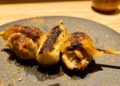
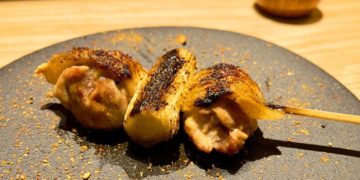
- Special: Charcoal-grilled chicken neck and green tea highballs
3. Ura-Bar Koen
- Location: Behind Marugoto Nippon
- Vibe: Jazz, VHS projection, no menu—everything is “Omakase”
- Open until 2 AM
The Return of Retro: Why Locals Love It
As Tokyo modernizes, some crave the comfort of rusty beer signs, classic enka music, and oden bubbling away in dented pots. These izakayas and bars are full of character and characters. Regulars welcome solo drinkers with a nod, and the bar’s tight layout forces—and fosters—conversation.
The Senso-ji Backside Route: Tokyo’s Quietest Temple Walk
Tourists leave Senso-ji by 9 PM. Locals know to return after 11 PM.
The Hidden Zen of Nighttime Temple Walks
The walk behind the main hall reveals a surreal space—no crowds, only gravel crunching underfoot and the occasional sound of a monk’s distant bell. The smell of incense lingers. It’s not just photogenic—it’s spiritually cinematic.
Shadows and Lanterns: What to Expect
- Minimal lighting, perfect for moody night photos
- Fox statues, stone lanterns, and bamboo groves
- Gentle wind and paper charms fluttering quietly
- Perfect for couples or solo travelers seeking solitude
Insider Tips for Enjoying Asakusa’s Nightlife Solo
Choosing Safe Bars & Interacting with Locals
- Opt for standing bars with visible counters
- Greet with “Konbanwa” and wait for visual cues
- Ordering tip: say “Nihonshu no osusume wa?” (What sake do you recommend?)
Staying Late: Transport, Taxis, and Night Options
- Last Ginza Line train to Ueno/Asakusa: ~12:20 AM
- Late-night buses run hourly until ~2 AM
- Taxis to central Tokyo cost ¥2,000–4,000
- Capsule hotels like Khaosan Tokyo Origami offer late check-in
FAQs About Asakusa After Dark
Q1: Is it safe to walk the back alleys of Asakusa alone?
A: Yes. Asakusa is one of Tokyo’s safest areas. Avoid loud behavior and respect local privacy.
Q2: Are there bars open after midnight?
A: Yes. Look for soba bars, jazz lounges, and red lantern izakayas. Most close around 1–2 AM.
Q3: Do I need to speak Japanese?
A: No, but learning a few phrases helps. Many bars welcome respectful foreign guests.
Q4: Is it okay to visit temples at night?
A: Yes. The grounds remain open, but don’t enter buildings or make loud noise.
Q5: Can I take photos in alley bars or behind Senso-ji?
A: Ask first. Most bars allow photos of food, but avoid flash or photographing other guests.
Final Thoughts: Rediscovering Asakusa When the Lights Go Low
Asakusa by day is dazzling, but Asakusa by night is poetic.
In its shadows, you’ll find slow laughter, subtle flavors, and a connection to a Tokyo that’s quickly disappearing. If you seek more than entertainment—if you seek ambiance, memory, and quiet hospitality—then walk Asakusa’s alleys after hours. You’ll find not just bars, but a deep sense of place.