





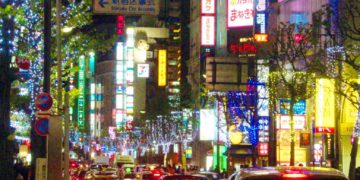




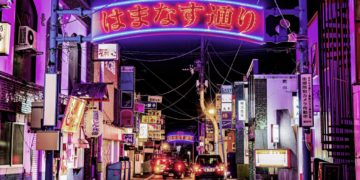



Kabukicho—the entertainment and red-light heart of Tokyo—is filled with neon, noise, and nightlife. But beyond the clubs and karaoke bars, there’s a lesser-known world: one that unfolds quietly in places like Okubo Park and side alleys behind the lights.
This article dives into the realities behind Okubo Park’s street scene and the young people who linger in Kabukicholong after midnight. It’s not all danger—but it’s not all harmless fun either.
1. What’s Going On at Okubo Park?
Okubo Park is a small public space on the edge of Kabukicho. In the daytime, it’s just a regular city park. But at night—especially after 11PM—it becomes something else entirely.
The Scene:
- Women standing alone or in pairs, often wearing heels and tight clothes
- Occasional groups of men observing from a distance
- Quiet transactions, brief conversations
Many locals know: Okubo Park is a spot for street-based sex work (known as “tachinbo”).
These women aren’t part of official businesses. They work independently. Some are in it for fast cash, others driven by deeper personal issues—debt, abuse, coercion. It’s a shadow economy.
Police occasionally patrol, but enforcement is low-profile. The atmosphere stays quiet, not chaotic.
For foreigners: don’t approach out of curiosity. It’s not a tourist attraction. It’s real life—and often, a hard one.
2. The Youth of Kabukicho: What Are They Doing?
Every night, especially on weekends, Kabukicho fills with young people in their teens and twenties. Not all are drinking. Not all are partying. Some are just… there.
You’ll See:
- Groups sitting on sidewalks eating convenience store food
- Girls in revealing fashion, some still in school uniforms
- Boys in flashy haircuts, clearly influenced by host culture
- Social media livestreamers or YouTubers filming in real time
Some are runaways. Others are there for attention, connections, or just a place to feel seen.
Why Here?
- Easy access from major stations
- Always something happening
- Safe “enough” compared to other big cities
It’s part escape, part rebellion, and part nightlife education.
For many, Kabukicho is a crash course in adulthood. It’s where they learn street smarts fast—or get burned trying.
3. Risks, Reality, and Respect
There’s a dark side to this world: drugs, exploitation, manipulation. But most of the people here aren’t villains or victims. They’re just navigating the night.
For visitors:
- Don’t treat it like a zoo. These are people, not a show.
- Keep your camera down unless invited.
- If someone offers you “a deal” or “a drink,” politely decline.
You can explore Kabukicho safely—but it helps to understand the layers beneath the surface.
4. Why This Matters
Tokyo is often called the safest big city in the world. And in many ways, it is.
But safety doesn’t mean there’s no struggle. It just means the struggle stays quiet, contained, and often overlooked.
Places like Okubo Park and Kabukicho’s backstreets remind us that:
The city’s glow can hide both loneliness and resilience.
To walk through it with awareness is to understand Japan more deeply.
Conclusion
If you wander Kabukicho late at night, you’ll see laughter, danger, desperation, and youth—all lit by vending machines and neon signs.
It’s not a place to fear. It’s a place to respect.
Come with open eyes.
Walk with care.
And remember: some stories here were never meant to be seen—only understood.