







Introduction: Rediscovering Asakusa at Night
Asakusa is often one of the first stops for daytime tourists in Tokyo. With its famous Senso-ji Temple, the Nakamise shopping street, and rickshaw-lined avenues, it paints a picture of old Edo charm. But what many visitors miss is how Asakusa transforms at night. As the crowds thin and the temple lanterns glow against the night sky, Asakusa becomes a haven of traditional food, hidden bars, nostalgic alleys, and surprising pockets of modern cool.
This article outlines a complete evening itinerary in Asakusa, guiding you from spiritual twilight moments to rooftop drinks and late-night food stalls. Whether you’re on a solo journey, a romantic getaway, or exploring Tokyo with friends, Asakusa offers a distinctive, accessible night experience rooted in culture and community.
1. 5:30 PM — Twilight at Senso-ji Temple
Begin your evening in Asakusa with a visit to Senso-ji, Tokyo’s oldest Buddhist temple. Built in 645 AD, it holds a spiritual significance that’s amplified after dusk.
By 5:30 PM, most tourists have left. The Kaminarimon Gate, illuminated from within, glows orange-red against the darkening sky. As you pass through Nakamise Street (usually closing around 6 PM), you can enjoy the shopfronts without the crowds, snapping photos of traditional paper lanterns, wooden architecture, and the five-story pagoda lit in gold.
Must-See Elements:
- Main Hall (Hondo): Offer a coin and bow before the golden statue of Kannon, the goddess of mercy
- Incense Burner: Waft the smoke over your head for good fortune
- Omikuji Fortunes: Even at night, some booths offer paper fortunes — available in English
Local Tip:
Walk to the side alleys behind the temple. You’ll discover small altars, guardian statues, and even hidden temples like Asakusa Shrine, quieter and just as beautiful.
2. 6:30 PM — Dinner at a Historic Local Restaurant
As the sun fully sets, it’s time for a hearty dinner. Asakusa is famous for preserving Tokyo’s culinary history, offering everything from Meiji-era beef dishes to Edo-style tempura.
Restaurant Highlights:
- Daikokuya Tempura: Their secret sesame oil blend makes the tendon (tempura rice bowl) irresistibly crisp and flavorful. Expect queues, but it’s worth the wait.
- Asakusa Imahan: A high-end sukiyaki and shabu-shabu restaurant established in 1895. You’ll be seated in private tatami rooms, attended by kimono-clad staff. It’s ideal for couples or special occasions.
- Yonekyu Honten: Serving pork dishes since 1931 — their tonkatsu and ginger pork are top-tier.
- Kamiya Bar: Open since 1880, known for serving Japan’s oldest cocktail, Denki Bran. The food is simple (ham cutlet, curry rice), but the history is rich.
Budget-Friendly Option:
If you’re watching your wallet, Asakusa Menchi (deep-fried minced meat cutlet) is a famous street food option, and there are many ramen shops in the side streets with late hours.
3. 8:00 PM — Retro Bars and Alleyway Izakayas
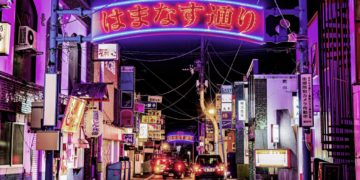
After dinner, wander through Asakusa’s narrow alleyways, especially around Hoppy Street (Hoppy Dori). This area has become symbolic of Japan’s Showa-era drinking culture, and it’s a local favorite for after-work relaxation.
What to Try:
- Hoppy Drink: A beer-flavored low-alcohol drink mixed with shochu. It’s a retro favorite and surprisingly refreshing.
- Nikomi (Braised Beef Tendon Stew): Almost every bar here has their own version, cooked for hours in miso broth.
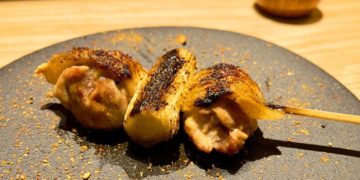
- Kushiyaki: Assorted grilled meat and vegetable skewers
Recommended Izakayas:
- Asakusa Oden Otafuku: An old-school oden restaurant that’s been operating since 1915
- Torisho: Excellent yakitori and sake pairing options
- Namiki Yabusoba: If you prefer soba with your drinks, this historic shop serves cold soba and sake
For something different, check out the Taito Station basement bars, surprisingly upscale lounges located below arcades. You can also try craft beer bars such as Campion Ale, an English-style brewpub just a short walk away.
4. 9:30 PM — Riverside Stroll by Sumida River
With the crowds dwindling, it’s the perfect time for a relaxing riverside stroll along the Sumida River Terrace. Located just behind the temple, this promenade gives you a different perspective of Tokyo. The water reflects the lights of passing boats, and the Tokyo Skytree, visible across the river, lights up in shifting colors depending on the season or special events.
Romantic Moments:
- Riverside Benches: Sit and listen to the flowing water
- Skytree Viewpoints: Great for nighttime photography
- Street Performers: Occasionally musicians and magicians perform here
Optional Activity:
Book a Yakatabune (traditional boat cruise) that departs from near Asakusa. They offer onboard dining, karaoke, and stunning views of the Skytree and Rainbow Bridge.
5. 10:30 PM — Late-Night Snacks and Entertainment
Asakusa doesn’t completely shut down at night — especially if you know where to look.
Where to Go:
- Izakaya Noren-gai: Behind Don Quijote Asakusa, this food alley includes late-night takoyaki, yakisoba, and beer stands.
- 24-Hour Ramen Shops: Try Ichiran Asakusa or Ippudo
- Snack Bars: These casual karaoke spots often welcome foreigners. You’ll be offered a drink set, a song, and a conversation with the host
Sweet Tooth?
- Kurikoan: For freshly baked taiyaki with fillings like sweet potato or chocolate
- Kameju: Famed for their fluffy dorayaki (sweet pancake sandwiches)
If you’re not ready for bed, Asakusa’s pachinko parlors stay open late, and game centers like SEGA or Taito Station offer air hockey, retro games, and purikura photo booths.
6. Where to Stay Overnight
Asakusa offers a wide range of accommodations to match your mood and budget.
Boutique Hotels:
- Wired Hotel Asakusa: Modern rooms and local art collaborations
- The Gate Hotel Kaminarimon: Rooftop bar, Skytree views, spacious rooms
Capsule Hotels:
- Khaosan Tokyo Origami: Budget-friendly, great location
- Hotel 3000 Jyuraku: Cozy, clean, with free amenities
Ryokan Experience:
- Ryokan Kamogawa: Family-run with traditional tatami rooms and Japanese breakfasts
- Sadachiyo Ryokan: Themed rooms with antiques and kimono rentals
7. Seasonal Highlights in Asakusa
Each season brings unique charm and local events:
Spring:
- Sumida Park Cherry Blossoms: Lit up at night, popular for hanami
- Sanja Matsuri Preparation: Shrines begin prepping for Tokyo’s wildest festival
Summer:
- Sumida River Fireworks Festival: One of Tokyo’s biggest, best viewed from rooftop bars
- Yukata Rentals: Evening walks in rented summer kimono are popular among couples
Autumn:
- Chrysanthemum Festivals at Senso-ji: Spectacular floral displays
- Momiji Leaf Viewing: Red leaves in surrounding parks
Winter:
- Hatsumode (First Temple Visit): Thousands come at midnight on Jan 1 to Senso-ji
- Illuminated Lantern Festivals
- Mochitsuki Events: Live mochi-pounding demos at local stores
8. Local Tips for Visitors
- Language: Basic Japanese phrases go a long way. Most staff understand “Sumimasen” (excuse me) and “Oishii” (delicious)
- Tipping: Not customary in Japan
- Transit: Asakusa Station serves the Tokyo Metro, Tobu, and Toei lines. Check last train times (typically around 12:30 AM)
- Restrooms: Available at the station, department stores, and even near the temple
- Wi-Fi: Free public Wi-Fi available at Senso-ji and several cafes
Sample Itinerary
| Time | Activity |
|---|---|
| 5:30 PM | Visit Senso-ji Temple under twilight |
| 6:30 PM | Traditional dinner at historic restaurant |
| 8:00 PM | Explore retro bars and standing izakayas |
| 9:30 PM | Riverside stroll along the Sumida River |
| 10:30 PM | Grab taiyaki and head to a karaoke snack bar or sento |
| 11:30 PM | Check in to hotel or continue bar hopping |
Conclusion: Asakusa After Dark Is Where the Magic Happens
Daytime Asakusa is about history, but nighttime Asakusa is about intimacy. As the lanterns flicker and the streets empty, you discover the district’s soul: one part tradition, one part urban romance. It’s where you toast with strangers over warm sake, stroll in the shadow of the Skytree, and hear laughter echoing down cobbled alleys.
It’s less about excitement and more about atmosphere. In this oldest part of Tokyo, you’re not just exploring a place—you’re stepping into its memory.
📎 For more nighttime guides across Japan: https://afterdarkjapan.com