









Introduction
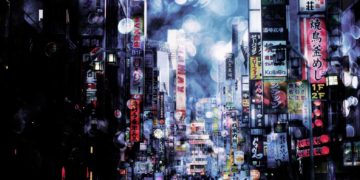
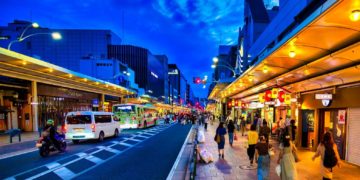
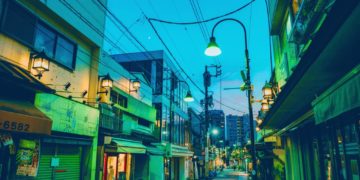
Japan is often praised for being clean, safe, and welcoming to families. But when the sun sets, where can families with babies still enjoy the city without stress or discomfort? While nightlife in Japan is often associated with bars, izakayas, or neon-drenched entertainment districts, there are in fact many baby-friendly nighttime options for families who want to make the most of their trip. In this guide, we’ll explore where to go, what to avoid, and tips for navigating Japanese cities with your little one after dark.
Japan’s family culture prioritizes safety, cleanliness, and quiet enjoyment, which naturally extends into the evening. Local parents often take babies out for dinner, nighttime walks, or seasonal events—especially in big cities where the infrastructure supports child-friendly travel. With the right knowledge and preparation, even tourists with infants or toddlers can experience magical, low-stress nights in Japan.
1. Is Japan Baby-Friendly After Dark?
Absolutely—especially compared to many other countries. Cities like Tokyo, Kyoto, and Osaka are well-equipped with:
- Safe public transportation
- Clean, accessible restrooms
- Well-lit pedestrian streets
- High-quality public amenities
While babies and toddlers are typically in bed by 8 or 9 PM, many local families enjoy dinner or strolls until 10 PM, particularly on weekends. You’ll often see strollers on trains and in department stores in the evening hours. However, there are unspoken norms: avoid loud or adult-themed venues, and be mindful of local quiet hours, particularly in residential areas.
2. Best Baby-Friendly Night Activities in Japanese Cities
a. Illuminated Parks and Gardens
Japan’s parks transform into peaceful sanctuaries at night:
- Ueno Park (Tokyo): Open late and beautifully lit, with wide paths suitable for strollers.
- Nabana no Sato (Mie Prefecture): Winter light-up events feature gentle music and glowing displays.
- Arashiyama Bamboo Grove (Kyoto): During seasonal light-ups like Hanatoro, the paths are stroller-friendly and lined with glowing lanterns.
These parks typically offer benches, vending machines, and public restrooms—making them ideal for families with small children.
b. Department Stores and Rooftop Gardens
Japanese department stores are not just for shopping:
- Tokyu Plaza Omotesando, Isetan Shinjuku, and Hankyu Umeda have rooftop terraces or gardens open until 9–10 PM.
- These rooftops offer ambient lighting, quiet seating areas, and often beautiful views.
They’re also equipped with baby changing rooms, nursing spaces, and elevator access—creating stress-free nighttime outings.
c. Nighttime Observatories
Nothing captivates a baby like colorful lights and open space:
- Tokyo Skytree, Roppongi Hills Sky Deck, and Umeda Sky Building remain open until 10–11 PM.
- Elevators accommodate strollers, and there are often cafes or resting lounges.
The views are breathtaking, and the pace is slower in the evenings, making it easier to navigate with a baby.
d. Aquariums and Zoos with Night Hours
Sensory-rich environments are great for toddlers:
- Sunshine Aquarium (Tokyo): Occasionally open until 9 PM, with jellyfish displays and dim lighting that calms babies.
- Umeda Aquarium (Osaka): Offers extended evening hours during seasonal events.
- Asahiyama Zoo (Hokkaido): Hosts occasional nighttime exhibits in summer.
Crowds are smaller, and the darker ambiance often soothes overstimulated children.
3. Baby-Friendly Restaurants and Cafés at Night
Eating out with a baby in Japan is easier than you may expect:
a. Family Restaurants (Famiresu)
These are a staple of Japanese family dining:
- Gusto, Saizeriya, Royal Host, and Denny’s Japan stay open late (11 PM–24 hours).
- They provide high chairs, kids’ menus, kids’ utensils, and are almost always non-smoking.
b. Department Store Cafés
Located on upper floors, they’re generally open until 9 PM and offer a calm, clean environment with staff accustomed to accommodating families.
c. Hotel Restaurants
Luxury hotels like The Peninsula Tokyo, Hotel New Otani, or Osaka Marriott Miyako have in-house restaurants that welcome young children. Some even provide baby food or children’s menus.
d. Food Courts
Found in malls like Aeon, Lumine, or Roppongi Hills, these areas stay open until 9–10 PM and are ideal for fuss-free, quick meals.
4. Hot Springs and Sento for Families
Public baths (sento) and super sento often cater to families:
- Spa LaQua (Tokyo Dome): Has family lounges, baby rooms, and late hours (open until 11 AM most days).
- Raku Spa 1010 Kanda, Heiwajima Onsen, or Sakura Onsen offer casual atmospheres and stroller parking.
Note: Some facilities don’t allow diapered babies in the bath, while others have baby-friendly family baths. Always check in advance.
Sento culture is a bonding experience in Japan—and early evening visits (6–9 PM) are common for local families.
5. Seasonal Events & Light Shows
a. Summer Festivals (Matsuri)
- These events often start around sunset and go until 9–10 PM.
- Food stalls sell baby-safe options like grilled sweet potatoes, takoyaki, or soft crepes.
- Shrines offer open space to park strollers and avoid crowds.
b. Winter Illuminations
From November to February, entire districts glow with LED displays:
- Tokyo Midtown, Omotesando Hills, Kobe Luminarie, and Nabana no Sato are stroller-accessible.
- Many have warming stations, free seating areas, and elevators.
c. Christmas Markets
- Found in Yokohama Red Brick Warehouse, Roppongi Hills, or Osaka Expo Park.
- Usually close by 8–9 PM and offer snacks, music, and child-safe light zones.
6. Transportation and Safety After Dark
Navigating Japan’s transit system with a baby at night is usually safe and smooth:
- Trains run until midnight in major cities, and most stations are stroller-accessible.
- Buses and taxis are safe, reliable, and accept child passengers with ease.
- Convenience stores (7-Eleven, Lawson, FamilyMart) stock essentials like diapers, wipes, formula, and snacks.
- Baby rooms can be found in stations like Tokyo Station, Kyoto Station, and malls such as Lumine or Aeon.
7. What to Avoid at Night with Babies
a. Nightlife Districts
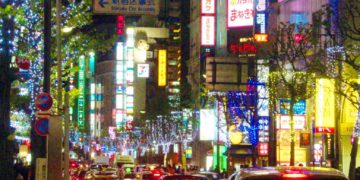
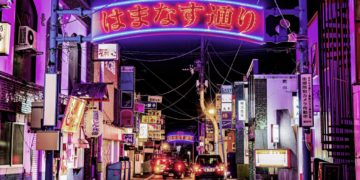
- Avoid Kabukicho (Tokyo), Dotonbori (Osaka), Nakasu (Fukuoka). These are noisy, crowded, and filled with adult venues.
b. Late-Night Izakaya
- While early evening visits are possible, the ambiance becomes loud and smoky after 8 PM.
c. Small Yokocho Alleys
- Places like Omoide Yokocho or Golden Gai are too narrow and not stroller-friendly.
d. Events Past 10 PM
- Most locals with babies are home by this time. Even family events typically end earlier to respect neighborhood noise ordinances.
8. Tips for a Smooth Night Out with Baby
- Pack smart: Extra clothes, blanket, snacks, and milk/formula.
- Use a compact stroller: Easy to maneuver in crowds and public transport.
- Plan a short itinerary: One main destination and a quiet dinner is plenty.
- Look for amenities: Search Google Maps for “baby room” or “nursing space”.
- Avoid over-scheduling: Babies tire easily, and overstimulation leads to cranky evenings.
- Use baby carriers for temples or stair-heavy areas.
Conclusion
Japan may be best known for its fast-paced cities and late-night street scenes, but there’s a quieter, family-friendly side of the country after dark that’s welcoming to babies and their parents. From softly lit observatories and rooftop gardens to evening festivals and soothing onsen, the possibilities are surprisingly rich.
With the right approach, you can craft unforgettable memories—sharing nighttime ramen, gazing at winter lights, or relaxing in a warm bath—together with your baby. Japan’s cultural respect for families, coupled with excellent infrastructure and safety, make it one of the world’s most enjoyable countries to explore after sunset—even with your youngest travel companions.
For more baby-friendly travel tips and destination guides, visit: https://afterdarkjapan.com