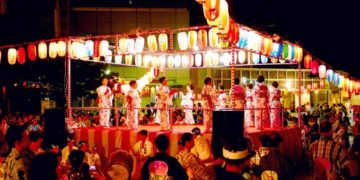





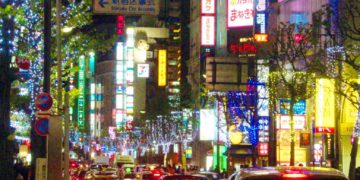




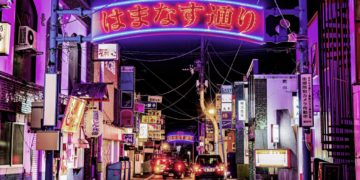

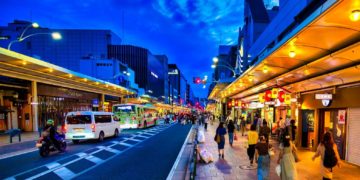
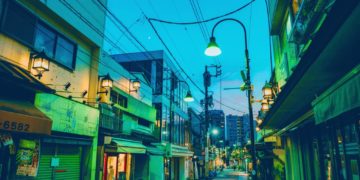

Japan is often hailed as one of the safest countries in the world—but that doesn’t mean it’s risk-free, especially in entertainment districts of regional cities. Here’s a calm, step-by-step guide to understanding how to stay safe when exploring lesser-known nightlife areas outside Tokyo.
1. Logic Behind Regional Nightlife Risks
Step 1: Nationwide Safety Reputation
Japan regularly ranks among the safest countries globally. For example, as of 2025, Tokyo’s crime index sits at around 24.7, compared to London’s 54.3 and New York’s 47.4 . Nighttime walking is considered normal—even for women alone .
Step 2: Entertainment Districts Are Exceptions
However, areas with nightclub and bar activity—especially in regional cities—can carry elevated risks. These include overcharging, drink spiking, credit card fraud, and aggressive touts .
Step 3: Regional Differences, Similar Challenges
Although many guides focus on Tokyo, regional cities (Sapporo, Fukuoka, Osaka, etc.) also have nightlife zones with similar vulnerabilities—particularly for foreign tourists unfamiliar with local customs or areas.
2. Common Risks in Regional Nightlife Areas
A. Overcharging and “Bottakuri” Bars
These establishments lure patrons with low-entry prices, then hit them with exorbitant hidden fees. For example, victims have reported a “100-yen first drink” that ballooned into a massive bill after adding hidden charges. While this was common in Kabukichō, similar risks exist in smaller cities too .
B. Drink Spiking & Hidden Charges
Spiked drinks and surprise bills are reported across Japan’s nightlife hotspots. Even in regional areas, users are advised to never leave drinks unattended, and always confirm pricing before ordering .
C. Aggressive Touts and Scammers
Visitors have been approached by touts offering bars or experiences; in Tokyo, the advice is “Don’t follow the touts” . In regional districts, similar tactics are used—especially near station areas or transportation hubs.
D. Melon Drop and “Broken Item” Scams
While not nightlife-specific, travelers should watch out for street scams like the “melon drop” trick—someone pretends to accidentally break something and demands compensation. These occur near nightlife areas too .
E. Taxi Overcharges Late at Night
Regional taxi services may attempt to overcharge late-night passengers—broken meters, long detours, or flat-rate charges can be traps. Always ride official cabs or use trusted apps .
3. Case-by-Case Reasoning: Safe or Not?
| Risk | Proximity to nightlife zone | Reasoning |
|---|---|---|
| Overcharging / Bottakuri bars | High | Smaller cities have fewer regulated nightlife venues—tourists are prime targets. |
| Drink spiking / hidden bill | Medium | Bars in regional districts may rely on tourism and lose oversight. |
| Aggressive touts | Medium | Touts near train stations or festival sites may act similarly to Tokyo’s. |
| Street scams (melon drop) | Low to Medium | Less common, but possible in crowded, tourist-heavy zones. |
| Taxi overcharges | Medium | Limited late-night transport options can prompt misuse. |
4. Traveller Safety Guide: Step-by-Step Strategy
- Research trustworthy bars using local platforms (TripAdvisor, regional travel boards) or hotel/tour desk referrals.
- Avoid accepting street invites—if someone is too eager in a nightlife area, politely decline.
- Inspect menus and prices before ordering. Request printed prices or photos if unsure.
- Keep an eye on your drink and never leave it unattended.
- Stay on well-lit main streets, especially after bar hours. Regional cities may not have the same lighting as Tokyo.
- Have a way home planned—check local train and bus schedules or know taxi app availability.
- Carry minimal valuables—scan or photo your passport for backups, and store the original securely.
- Find a local point of help—many cities have tourist police stations (koban) or helpful multilingual staff at information centers.
- Buddy up if possible, even if with hotel colleagues or fellow tourists.
- Trust your instincts—if a place feels off, leave immediately.
5. Final Thoughts
While Japan is generally safe, regional nightlife districts do carry extra risks. Overcharge scams, hidden fees, drink spiking, touting, and local cons are real—though avoidable with vigilance.
Conclusion: It’s best to enjoy regional nightlife—but with clear choices, planned routes, and modest guardrails. Avoid flashier or hidden “tourist trap” bars, and always prioritize safety over spontaneity.