









Introduction
Japan is known globally for its relative safety, clean streets, and orderly public life—even after dark. For tourists visiting with children, the question naturally arises: what are the unspoken rules or legal norms around children being outside at night in Japan? This guide explores the reality of nighttime outings for kids in Japan, including curfews (official or cultural), typical family behaviors, safe places to visit, and locations best avoided. Whether you’re traveling with toddlers or teenagers, understanding these expectations helps ensure a fun and respectful trip.
1. Are There Legal Curfews for Children in Japan?
Japan does not have a national legal curfew for minors. However, many prefectures and cities implement local ordinances that place restrictions on minors being out late at night without adult supervision.
Examples:
- Tokyo Metropolitan Ordinance: Children under 18 are discouraged from being outside after 11:00 PM unless accompanied by a guardian.
- Osaka Prefecture: Stronger enforcement in entertainment zones like Dotonbori, especially after 10:00 PM.
- Kyoto & Fukuoka: Similar ordinances around 10–11 PM.
While not always strictly enforced, police may stop and question unaccompanied minors, especially in nightlife areas.
2. Cultural Expectations for Children at Night
Even without strict enforcement, social norms are powerful in Japan. Most families with young children stick to early evenings:
- Elementary school children are generally home by 7–8 PM on school nights.
- Junior high and high school students may stay out until 9–10 PM, especially for club activities or cram school (juku).
- Late-night family outings do happen, especially on weekends or during festivals, but are generally rare past 10 PM.
Public behavior expectations (quiet voices, respectful demeanor) are still in full effect—even for kids.
3. Where Can Children Safely Go at Night in Japan?
Japan offers many safe and family-friendly places that remain open into the evening. Here are some great options:
a. Family Restaurants (Famiresu)
Chains like Gusto, Saizeriya, and Denny’s Japan are open late, often 11 PM or 24 hours. Popular for families due to kids’ menus and non-smoking spaces.
b. Large Shopping Malls
Malls such as Aeon, LaLaport, and Mitsui Outlet Park often have late hours (8–10 PM). Safe, clean, and often with indoor play zones.
c. Convenience Stores & Local Parks
Teens often gather (quietly) outside konbini. Some parks are lit and open late, but usage after dark varies by area.
d. Nighttime Events or Festivals
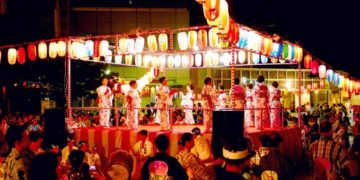
Summer festivals (matsuri), fireworks displays, and Christmas illuminations are family-centered events, often ending by 9–10 PM.
e. Public Baths (Sento) or Super Sento
Many sento welcome children until late evening—up to 11 PM—providing a relaxing and culturally immersive experience.
4. Where Children Should Not Go at Night
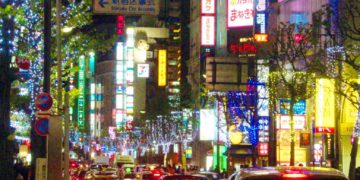
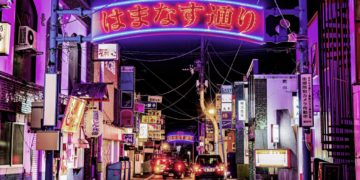
Japan’s nightlife is famously vibrant—but not all places are suitable for children. Some areas are off-limits or strongly discouraged for minors.
a. Entertainment Districts
- Kabukicho (Tokyo)
- Dotonbori (Osaka)
- Nakasu (Fukuoka)
These zones are full of bars, clubs, host/hostess clubs, and adult shops. While technically accessible, they’re not appropriate for children.
b. Pachinko Parlors
Pachinko (Japanese slot machines) are age-restricted. No one under 18 is permitted, even if accompanied by a parent.
c. Izakaya (Bars and Tapas-style Restaurants)
Some izakaya welcome families early in the evening, but most are not kid-friendly after 8 PM due to smoking and alcohol consumption.
d. Manga Cafés & Karaoke Boxes (Late at Night)
While often accessible to teens during the day, these locations may restrict entry to minors after 10 PM without a guardian.
5. Traveling with Babies and Toddlers at Night
Japan is surprisingly baby- and toddler-friendly, even after dark, in certain locations:
a. Department Stores
Places like Takashimaya, Isetan, and Mitsukoshi have clean, well-lit baby changing rooms and close by 8–9 PM.
b. Rooftop Gardens & Observatories
Great for viewing city lights early in the evening. Shibuya Sky, Tokyo Skytree, and Sunshine 60 are stroller-accessible.
c. Hotels with On-Site Dining
Many offer child seating, play corners, and early seatings ideal for small kids.
d. Train Travel
JR and subway stations are safe and stroller-accessible. Even late at night, trains are orderly and secure.
Tip: Always carry a light blanket or baby wrap—air conditioning can be strong even at night.
6. How Japanese Parents Approach Nighttime Outings
Japanese parents tend to be cautious and plan ahead for evening activities. Common strategies include:
- Sticking to early time slots for restaurants and attractions
- Bringing small toys or books to keep kids entertained
- Avoiding crowded nightlife hubs on weekends
- Checking venue policies (some restaurants or baths have age limits after 9 PM)
They often carry spare clothes, baby wipes, and quiet entertainment for long subway rides or wait times.
7. Safety and Practical Travel Tips
a. Street Safety
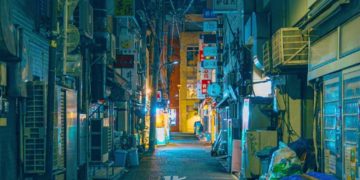
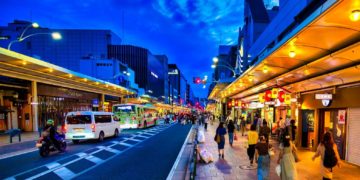
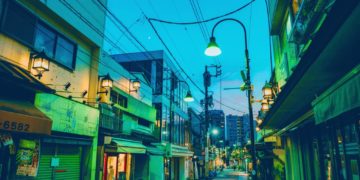
Japan’s low crime rate makes walking at night relatively safe. Most neighborhoods are well-lit, and pedestrian crossings are clearly marked.
b. Lost Child Protocol
Train stations, malls, and police boxes (koban) have well-established systems for helping lost children.
c. Emergency Numbers
- Police: 110
- Ambulance/Fire: 119
- Japan Visitor Hotline (24h): 050-3816-2787 (English support)
d. Language Barriers
While English is not widely spoken, many places have pictograms, and staff are usually kind and helpful.
e. Recommended Items for Night Outings
- Compact stroller or baby carrier
- Pocket WiFi for translation apps
- Small flashlight (many parks are dimly lit)
- Emergency contact card with hotel info
Conclusion
While Japan has no national curfew for children, cultural norms and local ordinances shape when and where minors go at night. Families typically enjoy quiet, respectful evening activities like dinners, park strolls, or sento visits—especially on weekends or holidays. Nightlife districts and adult-themed venues, while famous, are not appropriate for minors.
That said, Japan remains one of the safest destinations in the world for families, and with a bit of local knowledge, your evening outings can be both enjoyable and respectful.
Stay aware of your surroundings, follow the lead of local parents, and embrace the calmer, more serene side of Japanese nights with your children.
Explore more family travel and nightlife tips at: https://afterdarkjapan.com