









Discovering Tokyo’s most sophisticated approach to intimate nightlife beyond the youth culture facade
Introduction: When Trendy Grows Up
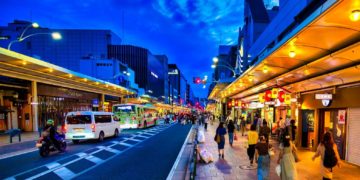
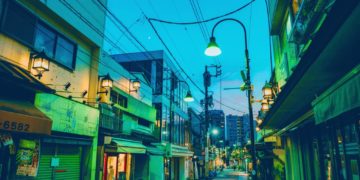
Most visitors to Daikanyama experience the district during daylight hours, browsing its curated boutiques, admiring its architectural sophistication, and absorbing the carefully crafted atmosphere that has made it synonymous with Tokyo’s cutting-edge youth culture. But this trendy facade, polished as it may be, conceals something far more intriguing: after dark, Daikanyama transforms into Tokyo’s most refined laboratory for intimate adult drinking culture, where the same aesthetic principles that define its famous retail scene create bar experiences of extraordinary subtlety and sophistication.
This isn’t the boisterous nightlife of Shibuya or the tourist-oriented entertainment of Roppongi. This is where Tokyo’s creative professionals, established artists, and cultural sophisticates gather in establishments so discreet they barely announce their existence, so intimate they seat fewer people than most restaurant tables, and so philosophically committed to quality over quantity that they’ve redefined what constitutes meaningful nightlife in contemporary urban culture.
Here, in converted residential spaces and purpose-built architectural gems that prioritize atmosphere over capacity, a movement has emerged that treats drinking as contemplative practice, conversation as art form, and the evening itself as canvas for creating experiences that couldn’t exist in larger, louder, or more obvious venues. This is where the Japanese concept of ma—the profound beauty found in negative space and quiet intervals—meets sophisticated alcohol culture to create something entirely unique in Tokyo’s nightlife landscape.
For international visitors seeking alternatives to conventional bar culture, Daikanyama after dark offers a masterclass in how restraint, attention to detail, and commitment to intimate scale can create drinking experiences that approach meditation in their intensity and art in their execution.
The Philosophy of Intimate Scale
Understanding Micro-Bar Culture
Daikanyama’s most distinctive contribution to Tokyo nightlife lies in its embrace of micro-bar culture, where establishments deliberately limit seating to 4-8 customers, creating psychological conditions that transform drinking from social performance into genuine interpersonal exchange. These tiny venues operate according to principles that prioritize quality of interaction over quantity of customers, depth of experience over breadth of offerings.
The micro-scale creates natural intimacy where strangers become temporary companions through shared space constraints, where conversations develop organically without competing with background noise or visual distractions, and where bartenders function as curators of experience rather than simple service providers.
The Art of Negative Space
Drawing inspiration from traditional Japanese aesthetic principles, Daikanyama’s boutique bars utilize negative space—empty areas, minimal decoration, strategic silence—as active design elements that enhance rather than fill experience. This approach creates environments where what isn’t present becomes as important as what is, where restraint amplifies rather than diminishes sensory impact.
Understanding this aesthetic requires appreciating how absence can create presence, how limitation can generate freedom, and how quiet can become more powerful than noise in creating memorable experiences.
Temporal Luxury and Unhurried Experience
These establishments reject the efficiency models that dominate commercial nightlife, instead creating temporal luxury where time moves according to natural conversation rhythms rather than commercial pressure to accelerate turnover or maximize consumption.
This unhurried approach allows for the development of genuine relationships between bartenders and customers, enables appreciation of complex flavors and preparation techniques, and creates psychological space for the kind of meaningful interaction that hurried environments cannot support.
Architectural Sophistication and Design Philosophy
Residential Conversion Aesthetics
Many of Daikanyama’s most remarkable bars occupy converted residential spaces—former apartments, small houses, and intimate commercial buildings transformed into drinking environments that retain domestic scale and psychological comfort while incorporating sophisticated bar equipment and service capabilities.
These conversions create unique atmospheres where customers feel like guests in sophisticated private homes rather than consumers in commercial establishments, generating psychological comfort that enables authentic relaxation and genuine social connection.
Lighting as Emotional Architecture
The lighting design in Daikanyama’s boutique bars approaches artistic installation in its sophistication, utilizing natural light sources, subtle artificial illumination, and strategic shadows to create emotional environments that enhance conversation, flatter customers, and provide visual interest without distraction.
Master lighting designers understand how different illumination affects mood, social interaction, and alcohol appreciation, creating environments that optimize conditions for the specific types of experiences each establishment seeks to provide.
Material Culture and Tactile Experience
These venues invest heavily in material culture—handcrafted furniture, artisanal glassware, custom-designed surfaces—that provides continuous tactile pleasure and visual education, where every element customers touch or observe reflects commitment to quality and attention to detail.
Understanding this material sophistication helps visitors appreciate the comprehensive nature of these experiences, where environmental design, service culture, and beverage quality combine to create holistic experiences that engage all senses simultaneously.
Establishment Profiles: Masters of Intimate Experience
SG Club: The Four-Seat Sanctuary
Hidden on the second floor of a converted residential building, SG Club represents Daikanyama’s micro-bar culture at its most refined. The establishment seats exactly four customers at a intimate counter where master bartender Shuzo Nagumo creates customized cocktail experiences based on extended conversation about individual preferences, mood, and desired emotional journey.
The venue’s appointment-only policy ensures optimal attention for each customer while maintaining exclusive atmosphere that allows for the kind of personal service that larger establishments cannot provide. Nagumo’s approach treats each evening as collaborative performance between bartender and customers.
Access Protocol: Reservations essential, preferably through hotel concierge or established Tokyo dining connections. Demonstrate serious interest in craft cocktail culture and willingness to commit to extended experience.
Signature Experience: The “Emotional Journey” tasting where Nagumo creates sequence of cocktails designed to guide customers through specific emotional progression over 2-3 hour period.
Bar Benfiddich: The Gin Laboratory
Occupying a tiny space that feels more like private study than commercial bar, Bar Benfiddich specializes in house-distilled gin and botanical cocktails that showcase master Hiroyasu Kayama’s expertise in distillation, botanical selection, and flavor development.
The establishment’s laboratory aesthetic—complete with distillation equipment, botanical specimens, and scientific glassware—creates educational environment where customers learn about gin production while experiencing flavors unavailable elsewhere in Tokyo.
Cultural Value: Education in craft distillation, botanical appreciation, and understanding of how traditional Japanese ingredients can enhance international spirits traditions.
Optimal Experience: Request botanical education alongside tasting experience. Demonstrate genuine interest in distillation process and ingredient sourcing.
Little Smith: The Wine Whisperer’s Den
This intimate wine bar features an carefully curated selection of natural wines, artisanal spirits, and seasonal cocktails in an environment that prioritizes quiet conversation and contemplative drinking over social performance or entertainment consumption.
The establishment’s approach treats wine service as educational experience where customers develop appreciation for natural wine production, terroir expression, and the philosophical principles that guide sustainable viticulture.
Wine Education: Focus on natural wine movement, biodynamic viticulture, and small-producer selections unavailable through conventional commercial channels.
Atmosphere: Designed for intimate conversation and extended wine appreciation rather than casual drinking or social networking.
Gen Yamamoto: The Seasonal Cocktail Artist
Operating more like exclusive restaurant than conventional bar, Gen Yamamoto creates elaborate cocktail tasting menus that change seasonally based on ingredient availability and artistic inspiration. The eight-seat counter creates intimate theater where customers observe detailed preparation while engaging in guided education about seasonal ingredients and flavor development.
The establishment’s approach treats cocktail creation as performance art where technical skill, seasonal awareness, and artistic vision combine to create drinking experiences that approach fine dining in their sophistication and cultural significance.
Booking Requirements: Advance reservations essential. Premium pricing reflects artistic approach and ingredient quality rather than simple drink service.
Cultural Significance: Represents evolution of Japanese cocktail culture toward artistic expression and seasonal awareness that reflects broader Japanese aesthetic principles.
The Culture of Contemplative Drinking
Understanding Quiet as Active Choice
Daikanyama’s bar culture embraces quietness not as absence of energy but as active choice that creates psychological conditions for deeper appreciation, more meaningful conversation, and enhanced sensory awareness that loud environments prevent.
This quiet culture requires adaptation from visitors accustomed to energetic nightlife, but rewards those who embrace it with experiences that provide genuine relaxation, intellectual stimulation, and emotional restoration that conventional entertainment cannot match.
Conversation as Crafted Experience
The intimate scale of these establishments creates natural conditions for conversation that develops according to organic rhythms rather than social performance pressure, where dialogue becomes collaborative art form between participants who share commitment to meaningful exchange.
Understanding conversation culture requires appreciating how intimate environments enable authentic self-expression, how skilled bartenders facilitate social connection, and how shared appreciation for quality creates natural bonding between strangers.
Alcohol as Contemplative Medium
These venues treat alcohol not as intoxication delivery system but as contemplative medium that enhances appreciation, facilitates reflection, and provides sensory experiences that reward attention and mindfulness rather than consumption volume.
This contemplative approach requires different drinking strategies that emphasize quality over quantity, appreciation over consumption, and understanding that optimal experiences often involve moderate alcohol intake that maintains awareness rather than diminishing it.
Seasonal Programming and Cultural Events
Seasonal Ingredient Celebrations
Many establishments create special programming around seasonal ingredient availability, featuring limited menus that showcase spring botanicals, summer fruit expressions, autumn harvest flavors, and winter preservation techniques that connect drinking culture to natural cycles.
These seasonal celebrations often include educational components where customers learn about ingredient sourcing, seasonal preparation methods, and cultural traditions that connect Japanese drinking culture to agricultural rhythms and natural awareness.
Artist Collaborations and Creative Programming
The district’s concentration of creative professionals creates opportunities for collaborations between bars and artists, designers, musicians, and writers who create special events that combine drinking culture with other artistic expressions.
These collaborative events often produce unique experiences that exist at intersections between different artistic disciplines, creating cultural programming that enhances appreciation while supporting local creative communities.
Private Events and Exclusive Programming
The intimate scale of these establishments makes them ideal for private events that provide exclusive experiences for small groups seeking sophisticated entertainment that combines quality service with cultural education and social intimacy.
Private programming often includes customized tasting experiences, educational sessions with industry experts, and social events that bring together creative professionals and cultural enthusiasts around shared interests in quality and sophistication.
Wine Culture and Aperitivo Traditions
Natural Wine Movement and Artisanal Selection
Daikanyama’s wine culture emphasizes natural wine production, small producer selections, and artisanal approaches that prioritize quality and character over commercial appeal or mass market accessibility.
Understanding natural wine culture requires appreciation for production methods that minimize intervention, terroir expression that reflects specific geographic conditions, and flavor profiles that might challenge conventional wine expectations while providing educational opportunities.
Aperitivo Culture and European Influence
Several establishments have adapted European aperitivo traditions to Japanese sensibilities, creating pre-dinner drinking culture that emphasizes light food pairings, social conversation, and moderate alcohol consumption that prepares for rather than replaces dinner experiences.
This aperitivo culture creates opportunities for cultural exchange where European drinking traditions merge with Japanese hospitality principles and aesthetic sensibilities to create hybrid experiences that honor both cultural traditions.
Food Pairing and Culinary Integration
The sophisticated food culture of Daikanyama creates opportunities for bars to collaborate with restaurants and food artisans, developing pairing experiences that showcase how quality alcohol enhances rather than competes with culinary experiences.
These collaborations often feature seasonal menus, special events, and educational programming that demonstrates how alcohol and food can create synergistic experiences that exceed the sum of their individual components.
The Economics of Boutique Bar Culture
Understanding Premium Pricing Models
Daikanyama’s boutique bars operate according to premium pricing models that reflect comprehensive experience value rather than simple alcohol costs, where customers pay for expertise, atmosphere, exclusive access, and personalized service that mainstream venues cannot provide.
These pricing structures support sustainable business models that enable investment in quality ingredients, expert staff, sophisticated equipment, and intimate environments that require different economic calculations than volume-based commercial operations.
Supporting Artisanal Culture and Independent Business
Patronizing boutique bars contributes to cultural ecosystems that support independent business ownership, artisanal production methods, and innovative approaches to hospitality that provide alternatives to corporate entertainment and chain restaurant culture.
Understanding the cultural function of these establishments helps visitors appreciate their role in maintaining cultural diversity and creative innovation within contemporary urban nightlife while supporting sustainable business practices.
Membership Culture and Community Investment
Many establishments operate according to informal membership systems where regular patronage, cultural appreciation, and community contribution create ongoing relationships that provide access to special events, exclusive products, and personalized service that enhances long-term customer value.
These membership relationships often extend beyond commercial transaction to encompass genuine community membership and cultural exchange that enriches both customer experience and establishment culture.
Practical Guidance for Sophisticated Experiences
Preparation and Cultural Sensitivity
Successful engagement with Daikanyama’s boutique bar culture requires cultural preparation that includes understanding Japanese hospitality principles, appropriate behavior in intimate environments, and genuine appreciation for quality and craftsmanship that these establishments represent.
Mental preparation involves approaching these venues as cultural experiences rather than entertainment consumption, with genuine interest in learning about Japanese approaches to hospitality, quality, and aesthetic sophistication.
Timing and Reservation Strategies
Many boutique establishments require advance reservations or operate according to limited hours that reflect their exclusive positioning and intimate scale, requiring strategic planning that accommodates their operational requirements rather than customer convenience.
Understanding these operational patterns helps visitors plan meaningful experiences while respecting the business models that enable exceptional quality and personalized service.
Budget Planning and Value Understanding
The premium costs associated with boutique bar experiences require budget planning that recognizes comprehensive value propositions including expertise, exclusive access, personalized service, and cultural education that mainstream venues cannot provide.
Strategic budget allocation typically involves fewer venues with longer visits that allow for full appreciation of each establishment’s offerings rather than attempting to experience multiple venues superficially.
Conclusion: The Art of Intimate Excellence
Daikanyama after dark reveals something profound about the potential for urban nightlife to transcend entertainment and approach art through commitment to intimacy, quality, and sophisticated aesthetic principles that prioritize depth over breadth, meaning over spectacle, and genuine human connection over commercial efficiency.
For international visitors seeking alternatives to conventional bar culture, these boutique establishments provide masterclasses in how restraint, attention to detail, and philosophical commitment to excellence can create drinking experiences that nourish rather than simply stimulate, that educate while they entertain, and that demonstrate how traditional Japanese values can enhance rather than constrain contemporary hospitality culture.
The investment in cultural preparation, budget allocation, and genuine appreciation required for meaningful participation in Daikanyama’s boutique bar culture yields experiences that redefine expectations about what urban nightlife can achieve when commercial pressures give way to artistic vision and community values.
This isn’t drinking in the conventional sense—it’s participation in cultural institutions that demonstrate how sophisticated aesthetic principles, commitment to quality, and respect for human scale can create urban experiences that approach meditation in their intensity and art in their execution.
In Daikanyama’s intimate spaces, where four-seat counters become stages for collaborative performance between master bartenders and appreciative customers, where negative space amplifies positive experience, and where quietness enables the kind of meaningful exchange that noisy environments prevent, visitors can discover how urban sophistication evolves when community values replace commercial pressures as organizing principles.
The master bartender who remembers your preferences and creates customized experiences based on extended conversation, the intimate environment that transforms strangers into temporary confidants, and the commitment to quality that treats every detail as opportunity for excellence all represent aspects of urban culture that demonstrate how traditional values can enhance rather than limit contemporary innovation.
Here, in the quiet spaces where Tokyo’s creative professionals retreat for contemplation and connection, the future of urban nightlife reveals itself through experiences that prove sophistication emerges not from complexity but from the perfect execution of simple principles applied with unwavering commitment to excellence.