









Introduction: Why Learn a Few Key Phrases?
Exploring Japan’s nightlife and dining culture is one of the best parts of traveling the country. Whether you’re visiting a cozy izakaya, ramen joint, sushi bar, yakiniku restaurant, or a high-end kaiseki spot, knowing a few key Japanese phrases will dramatically enhance your experience. It shows respect, encourages better service, and helps you navigate menus and interactions with confidence.
In this guide, we’ve compiled essential Japanese phrases and expressions to help you order food, communicate dietary preferences, ask questions, understand etiquette, and enjoy the vibrant dining scene after dark. From ordering a drink to requesting the check, these phrases will make your nights out in Japan smoother and more rewarding.
1. Basic Greetings and Politeness
These simple expressions go a long way in making a positive impression:
- Irasshaimase (いらっしゃいませ) – “Welcome” (said by staff when you enter a restaurant or bar)
- Konnichiwa / Konbanwa (こんにちは / こんばんは) – Hello / Good evening
- Sumimasen (すみません) – Excuse me (used to get attention or apologize politely)
- Arigatou gozaimasu (ありがとうございます) – Thank you (formal and polite)
- Onegaishimasu (お願いします) – Please (used when requesting or ordering something)
- Gochisousama deshita (ごちそうさまでした) – Thank you for the meal (said after eating)
- Oishikatta desu (美味しかったです) – It was delicious
Using these phrases not only conveys appreciation but also creates a warm and respectful rapport with restaurant staff.
2. Getting a Table and Understanding the Setting
Securing a seat and understanding the restaurant layout can be part of the adventure, especially at night in busy areas.
- Hitori desu / Futari desu / San-nin desu – I’m one / We’re two / We’re three people
- Nan-mei sama desu ka? (何名様ですか?) – How many people in your party?
- Suwatte mo ii desu ka? – Can I sit here?
- Koshitsu arimasu ka? – Do you have private rooms?
- Tabako wa ii desu ka? – Is smoking allowed?
- Kaidan no soba wa dame desu. (階段のそばはダメです) – I prefer not to sit by the stairs.
Also note that some restaurants may require you to remove your shoes before entering certain seating areas.
3. Ordering Food and Drinks
Asking for the Menu
- Menyuu o misete kudasai – Please show me the menu
- Eigo no menyuu wa arimasu ka? – Do you have an English menu?
- Osusume wa nan desu ka? – What do you recommend?
- Kyou no osusume wa nan desu ka? – What’s the daily special?
Common Food Requests
- Kore onegaishimasu – I’ll have this please (pointing is acceptable)
- Toriaezu nama! – I’ll start with a draft beer! (informal, often used among friends)
- Onaka ga suiteimasu – I’m hungry
- Omakase shimasu – I’ll leave it to the chef / I’ll let you choose
Customizing Orders
- Niku nuki de onegaishimasu – Without meat, please
- Karai no wa daijoubu desu – I’m okay with spicy food
- Onaka ga yowai desu – I have a sensitive stomach
- Shio-ajide onegaishimasu – Please make it lightly salted
- Takusan kudasai – A large portion, please
4. Expressing Dietary Needs
Being vegetarian, vegan, or having food allergies can be challenging in Japan, but clear communication helps.
- Bejitarian desu – I’m vegetarian
- Biigan desu – I’m vegan
- Niku to sakana wa taberaremasen – I can’t eat meat or fish
- Dashi haitteimasu ka? – Does this contain fish stock?
- Katsuobushi wa nuki ni shite kudasai – Please remove the bonito flakes
- Arerugii ga arimasu – I have an allergy
- Tamago / gyuunyuu / ebi / kani – Egg / milk / shrimp / crab
- Konnyaku wa taberaremasen – I can’t eat konnyaku (gelatinous root-based food)
It’s helpful to bring a dietary card written in Japanese that clearly outlines what you can and cannot eat.
5. Understanding the Bill and Payment
Knowing how to request the bill and pay correctly is a key part of Japanese dining etiquette.
- Okaikei onegaishimasu – The check, please
- Betsu-betsu de onegaishimasu – Separate checks, please
- Issho de ii desu – One check is fine
- Genkin de – Paying with cash
- Kaado tsukaemasu ka? – Can I use a credit card?
- Receipto onegaishimasu – A receipt, please
Japan is still a heavily cash-based society, so carry yen—especially at smaller izakayas or late-night joints. Tipping is not expected.
6. Other Useful Phrases for Nighttime Dining
When dining out after dark, you may encounter different settings and customs.
- Nanji made desu ka? – Until what time are you open?
- Yoyaku shiteimasu – I have a reservation
- Kyou wa kondeimasu ka? – Are you busy today?
- Suwaru tokoro wa arimasu ka? – Do you have seats?
- Nomihoudai arimasu ka? – Do you have all-you-can-drink options?
- Tabehoudai arimasu ka? – Do you have all-you-can-eat?
- Oishii desu! – It’s delicious!
- Mou ippai onegaishimasu – One more drink, please
- Toire wa doko desu ka? – Where is the restroom?
If you’re unsure how to express something, showing a photo or pointing to a dish is completely acceptable.
7. Cultural Etiquette Tips for Night Dining
Knowing the language helps, but observing unspoken rules is equally important:
- Don’t pour your own drink in group settings. Pour for others, and they will reciprocate.
- Wait for everyone to be served before eating. Begin with a collective “Itadakimasu.”
- Use chopstick rests, and never stick them upright in rice.
- If sharing food, use the opposite ends of your chopsticks.
- Use “kanpai!” when toasting before drinking.
Understanding these practices ensures a smoother, more respectful dining experience.
Conclusion: Enjoy the Night, One Phrase at a Time
You don’t need to be fluent to have a great time dining out in Japan. Just learning a few core expressions will show cultural respect and make your night out smoother and more enjoyable. Don’t be shy—most Japanese people will appreciate your effort, even if your pronunciation isn’t perfect.
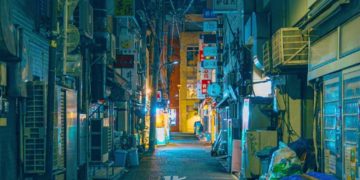
With these phrases in your pocket, you’ll be ready to enjoy ramen at midnight, order sake like a local, or navigate a busy izakaya without stress. Whether you’re exploring Tokyo’s neon-lit alleys, Kyoto’s traditional taverns, or Osaka’s buzzing food streets, your words will open doors.
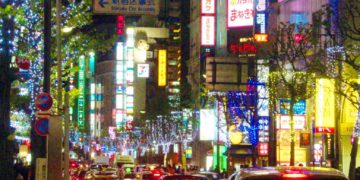
So next time you head out into the glowing streets of Japan, bring a few of these phrases along. It might just be the key to an unforgettable meal.
📎 More Japanese language tips and food guides at: https://afterdarkjapan.com