





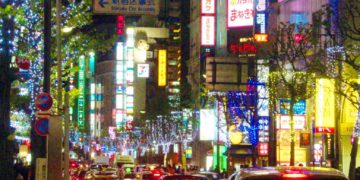




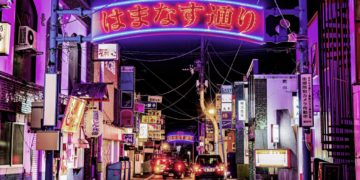



Tokyo is known for many things—neon lights, high-speed trains, sushi, shrines—but hidden behind it all is one of Asia’s most vibrant and welcoming LGBTQ+ nightlife districts: Shinjuku Ni-chome (新宿二丁目).
If you’re LGBTQ+ and visiting Japan, you may have heard the name before. But what exactly is Ni-chome? Is it really safe? How does it compare to gay districts abroad? And how can you explore it respectfully?
As someone who has spent many nights here—sometimes out of curiosity, sometimes to celebrate, and sometimes just to talk with friends—I’ll walk you through everything you need to know.
🗺️ What Is Ni-chome?
“Ni-chome” literally means “Block 2”—and it’s a tiny grid of streets in Shinjuku, just east of Kabukicho. But don’t be fooled by its size: it’s home to over 300 LGBTQ+-oriented bars, clubs, cafés, and lounges. It’s the heart of queer nightlife in Japan—and one of the densest gay bar areas in the world.
Most bars are small—like, 5 to 15 seats small. No dance floors, no flashy signage. It’s intimate, local, and community-based. There are gay bars, lesbian bars, transgender-friendly spaces, and mixed spaces where all are welcome.
While the area is especially active on weekends, you’ll find people enjoying themselves any night of the week—rain or shine.
👉 Important to know: This is a neighborhood by and for the LGBTQ+ community. It’s not a tourist trap. It’s a real, living, breathing scene.
🍸 Popular Bars and Clubs
There are too many places to name, but here are a few that are known to be foreigner-friendly or iconic in the community:
✅ Arty Farty
-
Probably the most famous gay dance club in Ni-chome.
-
Welcomes all genders and nationalities.
-
Dance floor, DJ, and a mixed crowd of locals and tourists.
✅ Dragon Men
-
Stylish, open, and always buzzing.
-
English-speaking staff, good for first-timers.
-
Strong drinks and fun themed nights.
✅ Campy! Bar
-
Hosted by drag queens, packed with humor and color.
-
Staff speak multiple languages, very welcoming atmosphere.
-
Great for those who want a taste of queer Japanese humor.
✅ AiiRO Café
-
Open-air bar near the main corner.
-
Good starting point; easy to meet people.
✅ Goldfinger (for women)
-
One of the few established lesbian bars in Tokyo.
-
Hosts parties and events; great community vibe.
👉 Pro tip: The best bars are often the ones without a big online presence. Walk around, follow the music, and ask people—you’ll find hidden gems.
🙏 Tips for Respectful Visitors
While Ni-chome is friendly, it’s not Disneyland. Many bars cater to a specific clientele—and not all are open to tourists. That’s okay. It’s part of the culture.
Here’s how to enjoy Ni-chome respectfully:
-
Don’t take photos inside bars unless you have permission. Privacy is a big deal.
-
Ask before entering. Some places are “members only” or targeted to specific identities (e.g., bear bars, leather bars).
-
Buy a drink. These bars are small and often don’t charge cover—but taking up space without ordering is bad etiquette.
-
Don’t treat it like a novelty. You’re not there to gawk—you’re there to engage, or at least observe respectfully.
-
Be patient with English. Some bars have fluent speakers, others don’t—but people will still try to welcome you.
Most importantly: listen and adapt. If a place doesn’t feel like it’s for you, there’s always another bar just one door away.
🌏 Cultural Differences to Know
Japan’s LGBTQ+ nightlife is shaped by local culture. It may not look like what you’re used to back home. Here are a few things that might surprise you:
🔇 Subtlety Over Loudness
-
There’s less PDA, less shouting, less chaos. Ni-chome is more about conversation than spectacle.
-
Even busy bars tend to feel cozy, not wild.
🏠 Regulars First
-
Many bars are run by individuals, and regular customers are treated like family.
-
If you return, staff may remember your name or drink. Loyalty matters.
🤐 Discretion Is Key
-
Many customers are not publicly out.
-
Even in gay bars, you might hear people using nicknames or pseudonyms.
-
That’s why privacy and respect are essential.
🏳️🌈 Visibility Is Increasing
-
Events like Tokyo Rainbow Pride are helping bring LGBTQ+ culture into the mainstream—but Ni-chome remains a safe space first, not a marketing tool.
💬 Final Thoughts from a Local
Ni-chome isn’t just a place to drink—it’s a place to feel seen. Whether you’re queer, questioning, or just curious, you’ll find warmth here if you move with respect.
“Come with curiosity, stay with kindness, and you’ll leave with more than just a hangover—you’ll leave with a glimpse into Tokyo’s beating queer heart.”
So grab a drink, strike up a conversation, and take a step into one of Tokyo’s most open but still private communities. Just don’t forget the unwritten rule: what happens in Ni-chome stays in Ni-chome.