












Introduction
The Kansai region is the beating heart of Japanese culinary culture. Home to cities like Osaka, Kyoto, and Kobe, Kansai is where traditions meet innovation, and where every meal tells a story centuries in the making. This region boasts a diverse array of local specialties, from street food to imperial cuisine, shaped by history, geography, and the unique identity of each prefecture. In this guide, we explore the iconic dishes of Osaka, Kyoto, Hyogo, Nara, Shiga, and Wakayama—offering you a comprehensive look at Kansai’s rich and varied food culture through the eyes of a local.
Osaka: Japan’s Kitchen and the Birthplace of Street Food
Takoyaki
Osaka is perhaps best known for takoyaki—crispy-on-the-outside, gooey-on-the-inside octopus balls. These addictive snacks are made from a savory batter filled with diced octopus, green onions, pickled ginger, and tenkasu (crispy tempura bits), cooked in special molded pans and topped with sauce, mayo, and bonito flakes.
Okonomiyaki
Often described as a “Japanese savory pancake,” okonomiyaki in Osaka is a hearty mix of flour, eggs, shredded cabbage, pork or seafood, and whatever ingredients you “like” (the meaning of “okonomi”), grilled on a teppan. Restaurants often allow customers to cook their own at the table, creating a social and interactive dining experience.
Kushikatsu
Deep-fried skewers of meat, vegetables, and seafood served with a tangy Worcestershire-style sauce. A signature rule at kushikatsu shops: no double-dipping in the shared sauce container!
Historical Note:
Osaka has long been a merchant city, with access to a rich variety of ingredients via its ports. This gave rise to its nickname “Tenka no Daidokoro” or “the nation’s kitchen.”
Kyoto: The Grace and Refinement of Imperial Cuisine
Kaiseki Ryori
The pinnacle of Kyoto cuisine is kaiseki—an artful multi-course meal traditionally served at high-end ryotei (Japanese restaurants) or during tea ceremonies. Each dish emphasizes seasonal ingredients, visual aesthetics, and subtle flavors.
Yudofu
Kyoto’s Buddhist heritage shines in dishes like yudofu—silky tofu simmered in a light kombu broth and served with simple dipping sauces. This humble dish is especially popular near Zen temples like Nanzen-ji.
Obanzai
Kyoto home cooking is known as obanzai: small plates of seasonal and sustainable vegetables, often simmered or lightly pickled. Obanzai reflects the Kyoto spirit of mottainai—respecting resources and avoiding waste.
Matcha & Sweets
As the center of the Japanese tea ceremony, Kyoto is also famous for wagashi (traditional sweets) such as yatsuhashi, namagashi, and matcha parfaits—best enjoyed with a bowl of freshly whisked matcha.
Travel Tip:
For an immersive experience, book a kaiseki dinner at a traditional machiya or attend a tea ceremony workshop.
Hyogo: Port City Fusion and Premium Beef
Kobe Beef
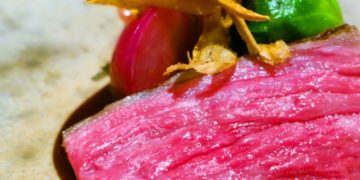
One of the most famous Japanese foods worldwide, Kobe beef is known for its exceptional marbling, tenderness, and umami flavor. Strict standards apply for labeling beef as Kobe, ensuring its premium quality. Best enjoyed as steak, teppanyaki, or even sushi.
Akashiyaki
A predecessor to takoyaki, Akashiyaki is a softer, eggier version from Akashi City, traditionally dipped in dashi broth rather than sauce.
Ikanago no Kugini
In spring, locals cook baby sand eels in soy sauce, ginger, and mirin until caramelized. This sweet-savory dish is served over rice or used as a side dish.
Historical Note:
With Kobe’s history as a major port city opened to the West during the Meiji period, Hyogo has long embraced foreign influences in food, architecture, and culture.
Try This:
Visit Kobe Chinatown (Nankinmachi) for an eclectic mix of Chinese-Japanese fusion foods such as steamed buns, dim sum, and ramen.
Nara: Japan’s First Capital and Temple Cuisine
Kakinoha Sushi
A specialty from Nara, this sushi is wrapped in persimmon leaves (which have antibacterial properties) and typically contains mackerel or salmon. It’s a beautiful and portable food, often eaten during festivals.
Chagayu
A type of rice porridge flavored with tea, chagayu is a healthy, mild dish deeply rooted in Buddhist vegetarian practices.
Miwa Somen
Nara is believed to be the birthplace of somen, thin wheat noodles served cold in summer or hot in winter. Miwa somen, from the Miwa district, is known for its silky texture and is a favorite across Japan.
Historical Note:
As Japan’s first capital, Nara is a spiritual and cultural center, with many of its dishes originating from temple offerings and seasonal agricultural cycles.
Shiga: Lake Biwa’s Bounty and Fermented Traditions
Funa-zushi
Perhaps Japan’s oldest form of sushi, funa-zushi is made by fermenting nigorobuna (a type of crucian carp from Lake Biwa) with rice for up to a year. The result is pungent and cheese-like—a challenging delicacy for adventurous foodies.
Omi Beef
Alongside Kobe and Matsusaka beef, Omi beef from Shiga is one of Japan’s top three wagyu brands, prized for its buttery texture and deep flavor.
Biwa Trout
Lake Biwa offers up delicate freshwater fish, like biwa masu (Biwa trout), often served grilled or in sashimi.
Try This:
For a true local experience, visit a lakeside ryokan that offers a funa-zushi tasting course along with other regional dishes.
Wakayama: Sacred Mountains and Hidden Seafood Gems
Meharizushi
This unique sushi involves rice balls wrapped in pickled mustard leaves, originally a portable meal for laborers and pilgrims. The sourness of the leaves pairs well with plain rice or mackerel.
Kishu Ume
Wakayama is Japan’s leading producer of ume (plums). Try Kishu umeboshi—large, soft, and intensely sour-salty pickled plums often eaten with rice.
Wakayama Ramen
Also known as chuka soba, Wakayama ramen features a soy sauce and pork-bone broth, thin noodles, and often a slice of chashu (roast pork). Local shops frequently serve sushi alongside ramen, a rare combo in Japan.
Historical Note:
Wakayama is home to the Kumano Kodo pilgrimage trails and Mt. Koya, making it a destination deeply connected to spiritual and vegetarian food traditions.
Conclusion: Discovering Kansai One Bite at a Time
Kansai is not just a geographical region—it’s the culinary soul of Japan. With Osaka’s bold street foods, Kyoto’s elegant kaiseki, Hyogo’s international flair, and the ancient flavors of Nara and Shiga, every corner offers a unique taste of history and local identity. Whether you’re savoring melt-in-your-mouth Kobe beef or sampling fermented sushi from Lake Biwa, Kansai cuisine invites you to explore not just flavors, but stories.
So next time you’re in Japan, don’t just visit Kansai—taste it.