












Introduction
Kyushu, the third largest of Japan’s four main islands, is a dynamic blend of ancient culture, volcanic landscapes, and some of the most exciting food in the country. As the historical entry point for Chinese, Korean, and European influences, Kyushu’s cuisine is both deeply Japanese and uniquely diverse. From the ramen stalls of Fukuoka to the tropical ingredients of Okinawa-influenced Kagoshima, this region offers something for every palate.
This guide will take you on a flavorful journey through each of Kyushu’s seven prefectures—Fukuoka, Saga, Nagasaki, Kumamoto, Oita, Miyazaki, and Kagoshima—highlighting the local dishes, their cultural significance, and tips for enjoying them like a true local.
Fukuoka: Ramen Capital and Street Food Paradise
Hakata Ramen
Fukuoka’s most iconic dish is Hakata ramen: thin noodles in a rich, pork-bone-based tonkotsu broth. Toppings include chashu (braised pork), kikurage mushrooms, green onions, and pickled ginger. Most shops allow kaedama (noodle refills), making it a satisfying and affordable meal.
Motsunabe
A hotpot made with beef or pork offal, garlic, chives, and cabbage in a soy or miso broth. Though not for everyone, it’s beloved by locals for its deep flavor and collagen-rich ingredients.
Tetsunabe Gyoza
Small, crispy-bottomed dumplings served in sizzling iron pans. Best enjoyed with local craft beer.
Try This:
Head to Yatai stalls along the Naka River in central Fukuoka for an atmospheric open-air meal. Be prepared to queue!
Saga: Serene Simplicity and Hidden Treasures
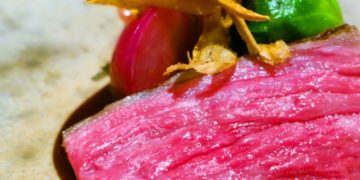
Saga Beef
This premium wagyu is lesser-known internationally but rivals Kobe in quality. Its high marbling and buttery texture are best showcased in simple preparations like yakiniku or steak.
Yobuko Ika (Squid Sashimi)
Caught fresh from the Sea of Genkai, squid from Yobuko is served so fresh it’s often still moving. The transparency of the meat is a mark of its freshness.
Kanzarashi
A unique Saga sweet made from rice flour balls soaked in syrup. Traditionally served chilled in tea houses, it’s a refreshing summer dessert.
Cultural Note:
Saga’s cuisine is quiet and refined—much like the prefecture itself. It favors subtle flavors and fresh seafood from its coastlines.
Nagasaki: Port City Fusion and Christian Heritage
Champon
Developed for Chinese students in Nagasaki over 100 years ago, champon is a noodle dish served in pork and seafood broth, topped with vegetables, squid, shrimp, and pork. It’s both hearty and historical.
Sara Udon
A crispy noodle version of champon, served with a thick, starchy sauce and toppings.
Castella Cake
Introduced by Portuguese traders in the 16th century, this sponge cake is now a Nagasaki specialty. Its soft texture and mild sweetness make it a popular souvenir.
Shippoku Ryori
A banquet-style fusion of Japanese, Chinese, and Western cuisines served on large round tables. It’s unique to Nagasaki and often found in historic restaurants.
Travel Tip:
Visit Dejima or the Glover Garden area for a historical tour followed by castella and tea at a scenic café.
Kumamoto: Rich Flavors and Volcanic Roots
Basashi (Horse Sashimi)
Though controversial for some, basashi is considered a delicacy in Kumamoto. The raw horse meat is served thinly sliced with garlic, ginger, and soy sauce.
Kumamoto Ramen
A regional variant of tonkotsu ramen with thicker noodles, roasted garlic oil (mayu), and a milder, sweeter broth compared to Fukuoka’s version.
Taipien
A Chinese-inspired noodle soup made with vermicelli, vegetables, and seafood or pork. Originally introduced by Chinese merchants, it’s a local comfort food.
Karashi Renkon
Lotus root stuffed with mustard-miso paste and fried. The sharp mustard gives it a surprising kick—perfect as a bar snack or side dish.
Local Flavor:
Kumamoto cuisine is bold and hearty, much like its landscapes, shaped by Mount Aso and the fertile plains around it.
Oita: Onsen Cuisine and Chicken Delights
Toriten (Chicken Tempura)
A local favorite, toriten is marinated chicken tempura served with soy sauce and mustard or ponzu. It’s crispy, juicy, and addictive.
Dango Jiru
A rustic miso-based soup with flat wheat noodles (dango), root vegetables, and mushrooms. It’s a taste of traditional countryside comfort.
Bungo Beef
Another contender in Japan’s wagyu world, Bungo beef is known for its tenderness and subtle umami. Try it grilled or as shabu-shabu.
Yufuin & Beppu Onsen Eats
Beppu and Yufuin are famous for their hot springs, and their cuisine reflects that. Try onsen steamed eggs, pudding, and vegetables cooked using natural geothermal steam.
Try This:
Many ryokans offer “jigoku mushi” (hell steaming) dining experiences—food steamed over natural hot spring vents.
Miyazaki: Tropical Flavors and Inventive Dishes
Chicken Nanban
Deep-fried chicken marinated in sweet vinegar and topped with tartar sauce. Originally a staff meal for a local restaurant, it became a national hit.
Miyazaki Mango
These tropical fruits are famously sweet and juicy. Premium mangoes can cost over $100, but more affordable versions are available in summer markets.
Hiyajiru
A cold soup of miso, sesame, cucumber, and tofu poured over rice—perfect for hot summers. It’s light yet nutritious.
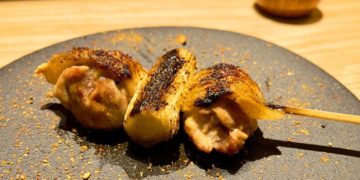
Charcoal-Grilled Chicken (Jidori Yaki)
Free-range chicken grilled over intense charcoal heat, served simply with salt or citrus. The smoky aroma and chewy texture are addictive.
Cultural Insight:
Miyazaki’s cuisine is as sunny and vibrant as its weather. It blends rural tradition with island-style creativity.
Kagoshima: Southern Soul and Satsuma Pride
Kurobuta Pork (Black Berkshire)
Raised in Kagoshima’s mild climate, kurobuta pork is tender and flavorful. Often served as tonkatsu, shabu-shabu, or in local stew dishes.
Satsumaage
A fried fishcake made with ground fish and vegetables. Served hot or cold, it’s perfect with sake or as a quick snack.
Keihan Rice
A one-bowl meal of chicken, thin egg strips, seaweed, pickles, and broth poured over rice. Originally from Amami Oshima, it reflects Okinawan influence.
Shochu Culture
Kagoshima is Japan’s shochu capital, producing over 100 varieties. Locals drink it with hot water, cold water, or even mixed with tea.
Sweet Potato Dishes
From sweet potato ice cream to shochu and sweets, Kagoshima celebrates its staple crop in countless creative ways.
Travel Tip:
Visit Sakurajima, the active volcano, then relax with a glass of local sweet potato shochu in a seaside izakaya.
Conclusion: Kyushu’s Food Is Its Identity
From the sophisticated seafood of Nagasaki to the fiery charcoal-grilled dishes of Miyazaki and the brothy ramen of Fukuoka, Kyushu’s cuisine is a mirror of its landscapes, people, and history. It’s a region where culinary borders are blurred—between Japan and its neighbors, between tradition and invention, between the sea and the mountains.
For travelers seeking a richer, deeper taste of Japan, Kyushu is a must. Take a train, rent a car, and eat your way through volcanic valleys, tropical coasts, and ancient castle towns. Wherever you go, a hearty welcome—and an even heartier meal—awaits you.