











The Night is Young in Hakata
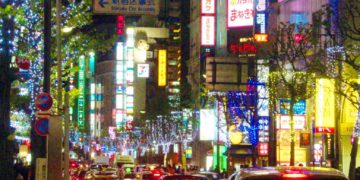
Fukuoka by night is full of light—not from towering skyscrapers, but from glowing lanterns hung above yatai (open-air street stalls). As the sun dips below Hakata Bay, a unique scene unfolds: rows of tiny, mobile eateries serving bowls of steaming ramen, grilled skewers, sizzling gyoza, and lively conversations under the stars. These yatai aren’t just food stands—they’re an open invitation to join the social soul of Fukuoka.
If Tokyo has its sushi counters and Osaka its takoyaki, then Fukuoka owns the night through its yatai culture. This guide dives deep into where to go, what to eat, and how to truly savor yatai nights in one of Japan’s most authentic culinary cities.
What Are Yatai? The Cultural Backbone of Fukuoka’s Nightlife
Origins of Yatai Culture
The first wave of yatai emerged in the aftermath of World War II, offering affordable, comforting food to a population in recovery. Mobile and affordable, they met people where they were—on streets, by parks, near train stations. Over the decades, while other cities phased them out, Fukuoka embraced them, nurturing these mini-restaurants into cherished cultural symbols.
Fukuoka vs. Other Cities
While cities like Tokyo and Kyoto heavily regulate or limit yatai, Fukuoka has remained the capital of Japanese street stall culture, supporting over 100 active yatai. The government balances health codes with heritage, and newer generations have revived the trade, breathing innovation into tradition.
Where to Find the Best Yatai in Fukuoka
Nakasu Riverfront
- Why go: The postcard-perfect row of yatai lining the Naka River is a must-see.
- What to expect: Classic Hakata ramen, grilled yakitori, local beer, and a stunning riverside breeze. Close to nightlife clubs and bars, it’s great for late-night refueling.
Tenjin Area
- Vibe: More eclectic and youthful. Some yatai here fuse international flavors—like cheese-stuffed tsukune or spicy Korean fried chicken—with Japanese traditions.
- Pro tip: Great for solo travelers and English menus are more common.
Nagahama District
- Local secret: This zone hosts more traditional and seafood-focused stalls, popular among locals.
- Specialties: Grilled squid, oden with fresh daikon, and buttery scallops are highlights.
What to Eat: Must-Try Yatai Dishes
Hakata Ramen
- Signature: Thin noodles, creamy tonkotsu (pork bone) broth, topped with green onions, pork slices, and red ginger.
- Fun fact: At yatai, the broth is simmered all day and bowls served at midnight might taste richer than lunch bowls!
Mentaiko Omelette & Gyoza
- Mentaiko: Spicy pollock roe is a local staple and adds kick to creamy eggs or rice bowls.
- Gyoza: Smaller and crispier than the Tokyo kind, they’re served with a garlic-vinegar soy sauce.
Oden & Yakitori
- Oden: A warm medley of daikon, tofu, and boiled egg stewed in dashi—comfort food at its best.
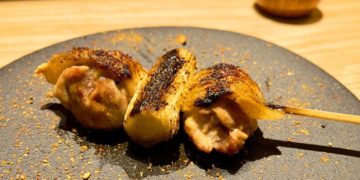
- Yakitori: Grilled chicken skewers with tare sauce or salt, often including lesser-known cuts like heart or skin.
Yatai Etiquette and How to Enjoy Like a Local
Language and Menu Tips
- Many menus use pictures or offer basic English translations.
- Pointing and smiling goes a long way—staff are used to non-Japanese visitors.
Sharing Tables
- Yatai are small. Seating 8–10 at most, they encourage table sharing and social conversation.
- Don’t be shy—say “kampai!” and introduce yourself.
Payment and Seating Rules
- Cash is preferred. Keep small bills handy.
- Some yatai have a soft time limit if crowded—30–45 minutes.
- Orders may come one by one; this is normal.
Fukuoka’s Evolving Yatai Scene
Women-Owned Yatai
Once a male-dominated space, yatai in Fukuoka are now seeing more female entrepreneurs. Expect creative dishes, themed menus (e.g., vegan or cocktail-centric), and a warmer, conversational atmosphere.
Foreign-Language Friendly Yatai
Thanks to inbound tourism, some stalls now offer:
- English, Chinese, Korean menus
- Staff with basic conversational English
- QR code ordering
Seasonal Pop-Ups and Gourmet Collaborations
Summer and winter festivals bring pop-up yatai to parks and shrines. Additionally, famous chefs occasionally collaborate with stall owners for limited-edition yatai dishes, such as miso truffle ramen or craft gin pairings.
Practical Travel Tips for Yatai-Hopping in Fukuoka
Best Time to Go
- 18:30–22:30 is peak. Arrive early for seats, or later for more atmosphere.
- Weekends see crowds; weeknights are easier for relaxed chats.
What to Bring
- Cash in small denominations
- Hand wipes or pocket sanitizer
- Light jacket (many are open-air)
- Portable trash bag (dispose properly)
Safety and Accessibility
- Solo travelers welcome—many locals chat openly.
- Non-drinkers? Many stalls have soft drinks, tea, or mocktails.
- Family-friendly—bring kids early in the evening before nightlife intensifies.
FAQs About Fukuoka’s Night Yatai Culture
| Question | Answer |
|---|---|
| Do I need Japanese to enjoy yatai? | No, but basic phrases help. Smile, gesture, and enjoy. |
| Is there a risk of food poisoning? | Licensed yatai pass strict health inspections. Choose clean, busy stalls. |
| Are vegetarian options available? | Limited, but some creative stalls offer veggie yakisoba or tofu dishes. |
| Can I bring drinks from outside? | Usually not—each yatai sells their own. Respect the owner’s business. |
| Is tipping expected? | No. A polite “gochisō-sama deshita” (thank you for the meal) goes a long way. |
Final Thoughts: Why Yatai Nights Are a Must in Japan
Yatai culture is more than food. It’s conversation, community, and a taste of Japanese hospitality at eye level. Whether you’re eating Hakata ramen riverside or swapping travel stories over grilled squid, Fukuoka’s yatai connect people.
They’re not a tourist trap—they’re a living, breathing part of the city, best explored with chopsticks in one hand and an open heart in the other.
So grab a seat, say hello to your neighbor, and experience Japan’s tastiest nightlife under the stars.