









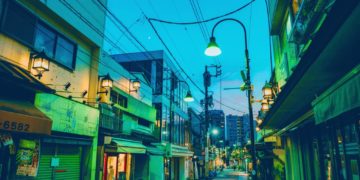


Introduction: Where the Spirits Still Roam
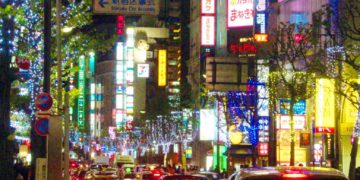
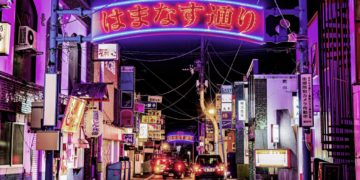
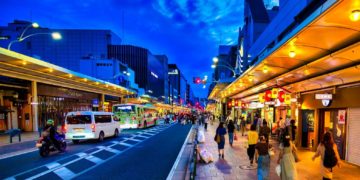
Tokyo is often seen as a city of neon lights, futuristic architecture, and ceaseless movement.
But hidden beneath the skyscrapers and convenience stores lies another Tokyo—a city haunted by ancient spirits, forgotten tragedies, and eerie legends.
Unlike horror attractions designed purely for thrills, Tokyo’s haunted places and yokai experiences are deeply tied to history, emotion, and real locations.
Tonight, we wander into the shadows to explore the places where Tokyo’s ghosts still whisper—and where the curious traveler can feel the city’s supernatural heartbeat.
1. Japan’s Fascination with Ghost Spots
In Japan, ghost hunting isn’t just for daredevils—it’s a cultural phenomenon.
Shinrei supotto (心霊スポット) or “spiritual spots” are:
- Places associated with death, tragedy, or legends
- Believed to be haunted by restless spirits (yurei) or cursed energy
- Popular with late-night adventurers, YouTubers, and thrill-seekers
Why the popularity?
- Ghost stories connect people to forgotten history.
- Spiritual energy spots are thought to influence fortune.
- The quiet thrill of fear is strangely addictive.
2. Famous Haunted Spots in Tokyo
Here are some of Tokyo’s most legendary (and truly eerie) places:
1. Hachioji Castle Ruins (八王子城跡)
Location: Hachioji City, West Tokyo
Story:
In 1590, during a brutal siege, hundreds of defenders and civilians were slaughtered here.
It’s said the rivers turned red with blood—and their spirits remain.
Reported Phenomena:
- Ghostly figures on the old stone steps
- Disembodied cries near the river
- Cameras and electronics malfunctioning
Tips:
- Visit only during daylight unless you’re truly brave.
- Night visits are officially discouraged for safety—and perhaps, spiritual reasons.
2. Old Komine Tunnel (旧小峰トンネル)
Location: Hinohara Village
Story:
An abandoned, crumbling tunnel in the mountains, linked to countless accidents and mysterious deaths.
Reported Phenomena:
- Cold spots
- Whispers in the dark
- Apparitions appearing in mirrors
Local Warning:
- Locals avoid the area at night.
- Legends say if you stop your car inside, you may not leave alone.
3. Akasaka Weekly Mansion (赤坂ウィークリーマンション)
Location: Akasaka, Central Tokyo
Story:
This seemingly normal apartment building became infamous for guests reporting:
- Sudden chills
- Disembodied footsteps
- Ghostly hands pulling at bedsheets
Modern Status:
- Renovated and renamed—but the stories linger.
In Tokyo, even luxury can hide old sorrows.
3. Seasonal Experiences: Summer Haunted Houses and Ghost Story Events
Beyond actual haunted sites, Tokyo offers seasonal spooky experiences tied to its kaidan tradition:
Obakeyashiki (Haunted Houses)
- Fuji-Q Highland’s “Super Scary Labyrinth of Fear”:
- Japan’s longest haunted house
- Set inside an abandoned hospital
- Asakusa Hanayashiki Haunted House:
- Retro-style fear based on traditional ghost stories
Summer is “ghost season” because, culturally, chills were believed to beat the heat.
Kaidan Events
- Summer ghost story nights at temples
- Candle-lit storytelling sessions in old neighborhoods
Professional storytellers spin terrifying, sorrowful tales in atmospheric locations, making it a uniquely Japanese way to feel fear and wonder.
4. Yokai Museums and Themed Attractions in Tokyo
Not all supernatural experiences are terrifying—some are playful and nostalgic.
Yokai-Themed Spots:
- Mizuki Shigeru’s Yokai Road (Chofu City):
- A street lined with statues of famous yokai from GeGeGe no Kitaro
- Family-friendly, slightly spooky, and utterly charming
- Edo-Tokyo Open Air Architectural Museum (Koganei City):
- At night events, historic buildings are softly lit, evoking old yokai tales and Edo-era atmospheres.
- Sunshine City Namja Town (Ikebukuro):
- Sometimes hosts seasonal yokai-themed events featuring games and food based on mythical creatures.
Yokai today aren’t just objects of fear—they’re beloved parts of Japanese pop culture.
5. Pop-Up Nighttime Ghost Tours and Experiences
If you want a structured adventure, Tokyo offers:
- Ghost walking tours through historic Asakusa, Yanaka, and Kagurazaka
- Urban legend tours tracing the darker side of Shibuya and Harajuku
- Night-time shrine visits with local guides explaining hidden superstitions
Sample Experiences:
- Hear real stories about cursed bridges and weeping willow trees.
- Visit haunted intersections where accidents repeat.
- Learn proper shrine etiquette to avoid angering resident spirits.
Pro Tip:
Choose small-group or local-led tours for a more authentic (and eerie) experience.
6. Safety Tips and Etiquette for Visiting Haunted Places
Exploring Tokyo’s haunted side can be thrilling—but also demands respect.
| Tip | Reason |
|---|---|
| Visit respectfully | Treat shrines, ruins, and graveyards with proper reverence. |
| Avoid shouting or joking | Especially near memorial sites. |
| Do not litter | Spirits—and locals—frown upon it. |
| Don’t touch offerings | Items left for spirits are sacred. |
| Protect yourself | Some people carry small charms (omamori) for safety. |
Remember: Fear can be exciting, but mockery invites bad luck—or worse.
7. Conclusion: Finding Ghosts—and Humanity—In Tokyo’s Night
Tokyo’s haunted places aren’t merely scary—they’re beautiful, sad, and deeply human.
Every ruined castle, every dark tunnel, every lonely spirit reflects:
- The fragility of life
- The persistence of memory
- The deep ties between people, places, and emotions
Exploring Tokyo’s ghostly side reveals not just horror, but history.
Not just chills, but connection.
When you walk through Tokyo at night, listen closely:
Not all who walk beside you have footprints.
Some travel by memory, by sorrow, by whispered story.