





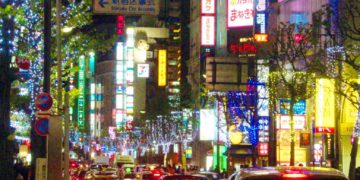




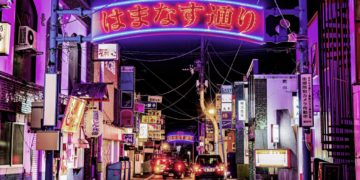


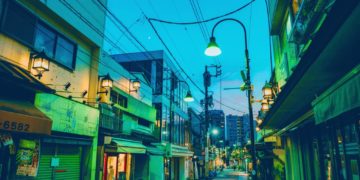


Japan is famous for its punctual and clean transportation. But once the clock hits midnight, things change.
Whether you’re out drinking in Shibuya or finishing work late in Osaka, knowing how to move around Japan at nightis essential.
Let’s explore how trains, taxis, and other transport work after dark—and how locals actually use them.
1. Train Systems: Reliable but Limited Hours
Japan’s trains are efficient, but they don’t run 24/7.
Last Train Times:
- Tokyo Metro: ~12:00 AM to 12:45 AM (varies by line)
- JR Yamanote Line: Last train ~1:00 AM
- Osaka Metro: ~11:30 PM to 12:30 AM
First Train Starts:
- Around 5:00 AM (earlier on major lines)
Cost:
- Short trips: ¥170–¥250 ($1.20–$1.80)
- IC cards (Suica/PASMO) make payments fast and easy
Missing the last train? It’s a cultural rite of passage for many.
Locals often time their night out around the last train, especially on weeknights.
2. Taxis: Expensive but Reliable
Taxis in Japan are clean, safe, and easy to hail—but they aren’t cheap.
Fare Breakdown (Tokyo):
- Base fare: ¥500–¥600 ($3.50–$4.50) for first 1.05 km
- Additional: ~¥100 per 237 meters
- Late-night surcharge (10PM–5AM): +20%
Example:
- Shibuya to Shinjuku after midnight: ~¥2,500–¥3,500 ($18–$25)
Locals use taxis when stranded, for business travel, or in groups to split costs.
In nightlife areas, taxi lines can get long after midnight—especially on weekends.
3. Night Buses and Airport Shuttles
While not common for city travel, night buses and highway buses connect major cities late at night.
Examples:
- Tokyo to Osaka overnight bus: ¥3,000–¥10,000 ($20–$70)
- Limousine buses to Haneda/Narita: Run until ~2:00 AM
Some locals prefer these to avoid expensive hotel stays after events or flights.
4. Walking, Biking, and Waiting It Out
If you miss the last train and don’t want to pay for a taxi, you have options:
Common Moves:
- Walking home (if under 5km—many Tokyoites do this!)
- 24-hour cafes or karaoke boxes for shelter and rest
- Manga cafes (mangakissa): ¥1,500–¥3,000 overnight stay
- Capsule hotels: Affordable last-minute stay, ~¥3,000–¥6,000
Biking:
- Many locals keep a bicycle at the station to ride home late
- Rental bikes (e.g., Docomo Bike Share) are available in major cities
The art of surviving until first train is well-known among Tokyo youth.
5. How Locals Actually Use Night Transport
- Weekdays: Most go home before midnight. Trains rule.
- Fridays/Saturdays: Many stay out past last train, then walk, taxi, or wait until 5AM
- Businesspeople: Taxis are standard for late client dinners
- Young people: Often crash in karaoke or cafes until trains restart
Everyone has their own late-night strategy.
Conclusion
Late-night transportation in Japan isn’t just about getting home—it’s about navigating the flow of nightlife, work, and culture.
Whether you catch the last train, split a taxi, or nap in a manga café—there’s always a way home.
Just don’t forget: in Japan, missing the train is never the end of the night. It’s the start of a new story.