





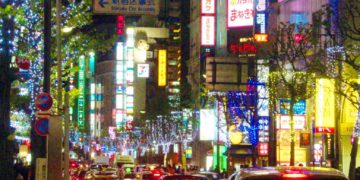




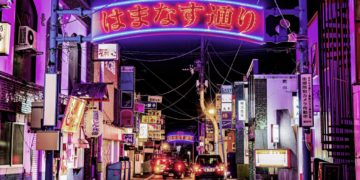

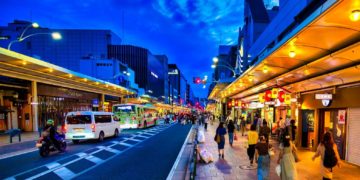
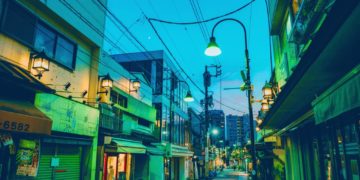


When the sun sets in Japan, family life doesn’t end—it shifts gears.
Unlike nightlife hotspots, most Japanese families prefer calm, routine-based evenings, whether that means staying in or enjoying a simple night out.
But what happens when families do head out together after dark? Here’s a look at how Japanese families typically spend their evenings—and the quiet charm of a night shared.
1. Home Is the Heart of the Evening (Weeknight Routine)
What It Looks Like:
- Dinner at home by 7:30 PM
- Bath time for kids around 8:00 PM
- Homework, quiet play, or TV until bedtime (8:30–9:30 PM)
Typical Elements:
- Shared meals with simple dishes (rice, grilled fish, miso soup)
- Japanese TV shows or variety programs
- Parents enjoying tea or a can of chuhai after the kids are asleep
Most nights are centered around routine and family bonding at home.
2. Evening Outings: Where Do Families Go?
1. Neighborhood Parks (6:00–7:30 PM)
- Why: Safe, free, and relaxing after school/work
- What: Kids run around; parents chat or unwind
- Cost: Free
2. Family Restaurants (7:00–9:00 PM)
- Chains like: Saizeriya, Gusto, Coco’s, Jonathan’s
- Why: Casual, affordable, and kids’ menus are standard
- Cost: ¥700–¥1,200 per adult / ¥500–¥800 per child
3. Super Sentō or Public Bathhouses (Weekends)
- Examples: Oedo Onsen Monogatari, local public sentō
- Why: Relaxing, bonding, and culturally traditional
- Cost: ¥500–¥1,000 per person
Evenings out are usually early and family-friendly, wrapping up by 9:00 or 9:30 PM.
3. Seasonal Events and Weekend Nights
Spring & Summer:
- Nighttime cherry blossom viewing (hanami)
- Local summer festivals with food stalls and games
- Fireworks (hanabi) with picnic blankets and bento
- Cost: Free to ¥2,000 per family (snacks, travel)
Fall & Winter:
- Illumination walks at parks or shopping streets (e.g., Yomiuriland, Tokyo Midtown)
- Hot pot dinners at family restaurants or at home
- Cost: Illumination entry often free or ¥500–¥1,000
These nights feel special—simple, yet magical when shared.
4. What It’s Really About
Why Japanese Families Keep It Simple:
- Bedtime routines matter (especially for school-age kids)
- Public transport winds down after 10PM
- Safety, convenience, and rest are top priorities
Even when going out, the goal is never extravagance—it’s comfort and connection.
Conclusion
Japanese families don’t need late-night excitement to enjoy their evenings. Whether it’s a shared dinner, a trip to the bathhouse, or a stroll under glowing lanterns, the joy is in being together.
Tokyo may shine bright, but for families, the warmth is often found in quiet corners and gentle routines.