





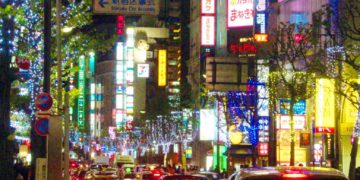




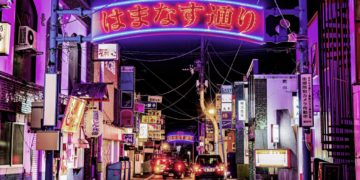
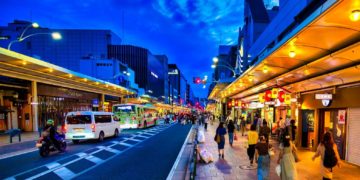
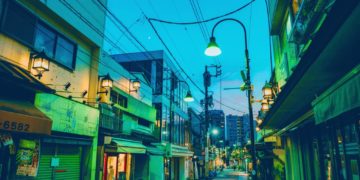


When most people think of Japanese nightlife, they imagine neon-lit clubs, anime cafés, or the chaos of Kabukicho. But ask a local how they actually spend a Friday night, and you’ll likely get a very different picture. Japan’s true nightlife is quiet, ritualistic, often modest—and deeply social in its own way. In this article, we’ll take you behind the scenes of the “ordinary” nights of Japanese people—hidden rituals that tourists rarely see, but say a lot about Japanese culture.
1. After-Work Drinks: The Ritual of ‘Izakaya Nomikai’
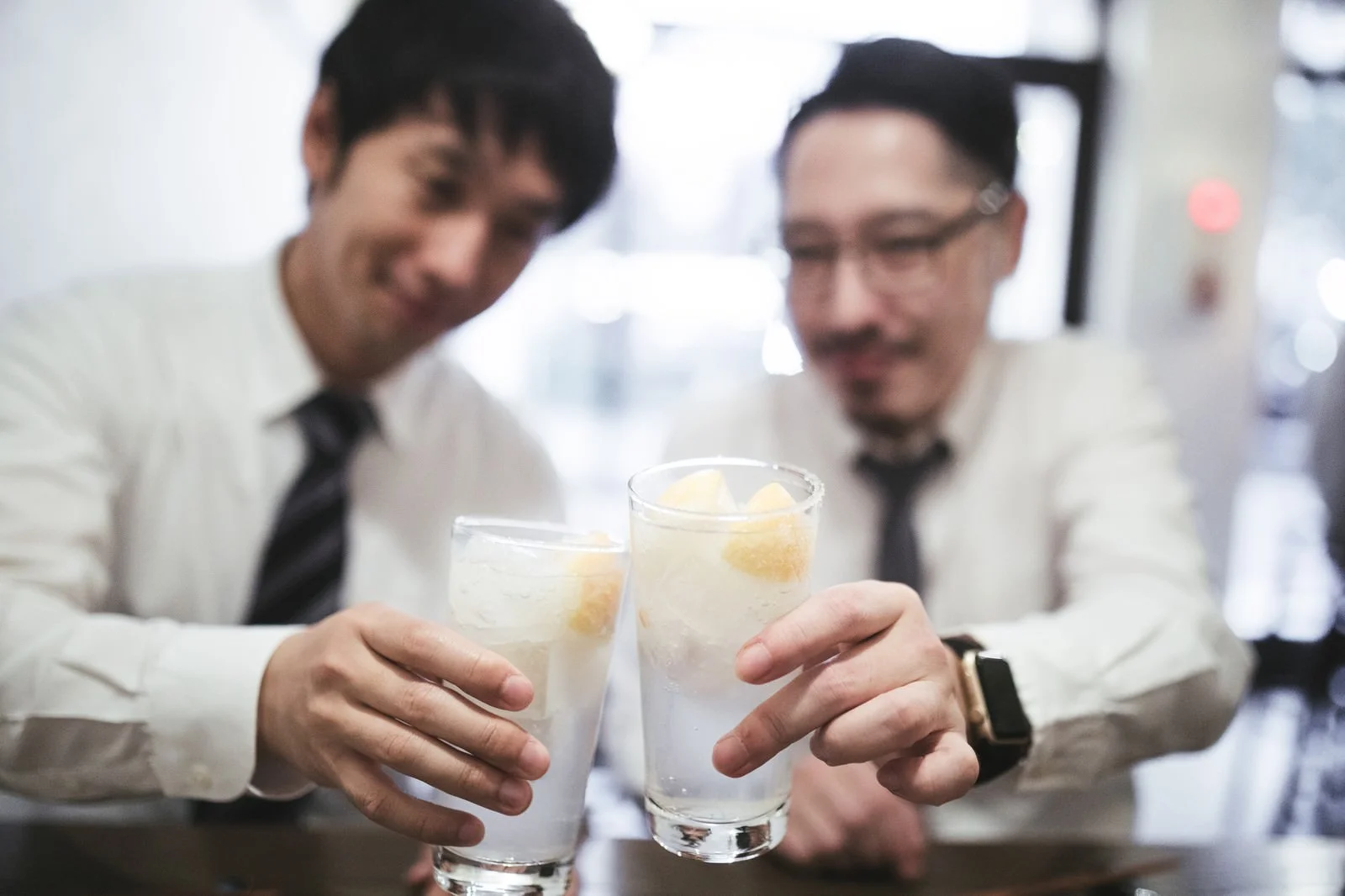
For many working adults in Japan, the night starts with one word: “Nomikai”—a casual drinking session, often with coworkers. These outings, held at izakayas (Japanese-style pubs), are not just about the drinks. They’re social glue.
Even people who aren’t close during the day open up over beer and fried chicken. It’s where awkward bosses crack jokes, new employees are welcomed, and emotional walls melt—at least temporarily.
👉 What surprises foreigners:
-
It’s often not optional. (It’s been changing lately.)
-
You don’t pour your own drink—it’s polite to pour for others.
-
Saying “kanpai!” is a ritual, not just a toast.
2. Second and Third Rounds: Why One Drink Is Never Enough
After the first izakaya, most groups don’t just go home. The “nijikai” (second party) may be a quieter bar or a karaoke room. If energy remains, a “sanjikai” (third party) might follow—sometimes lasting until morning.
It’s not about drinking more—it’s about deepening bonds in smaller, more relaxed settings. The group slowly shrinks as people drop off. Those who remain often build lifelong friendships.
👉 To a visitor, this might feel like overkill. But to locals, it’s a natural rhythm of the night.
3. The Local Bar Nobody Tells You About
Many Japanese people have a “行きつけ” (ikitsuke), or favorite bar. It might be a cozy place with five seats, a friendly bartender, and no English sign outside. It’s not on TripAdvisor. It’s not on Google Maps. It exists in people’s routines, not in data.
Locals return weekly, not for drinks, but for consistency, conversation, and comfort. These bars often feel more like second homes than businesses.
👉 Without a Japanese friend, you’d never find these places. And even if you did, you wouldn’t know the etiquette.
4. Convenience Store Picnics: The Most Underrated Nightlife
Here’s a true local hack: Go to a 7-Eleven, buy a beer and some snacks, and head to a park, a riverside, or a quiet bench. This is the Japanese version of a spontaneous night out.
Especially in spring or early summer, friends gather under trees, at train stations, or beside vending machines just to chat and snack.
There are no rules against public drinking in Japan (though manners still matter), so this casual style of “urban picnicking” is deeply woven into modern youth culture.
5. Late-Night Karaoke Marathons: Singing Is a Bond
Karaoke in Japan is not just for performance—it’s for release. People sing badly, scream into the mic, order drinks through a tablet, and sometimes nap between songs.
Friends, coworkers, and even strangers bond in those dark rooms. It’s common to sing until 5 AM, when the trains start running again.
👉 Solo karaoke (“hitori-kara”) is also popular—especially for stressed-out students or salarymen.
6. The Bath and Beer Combo: Japan’s Nighttime Reset Button
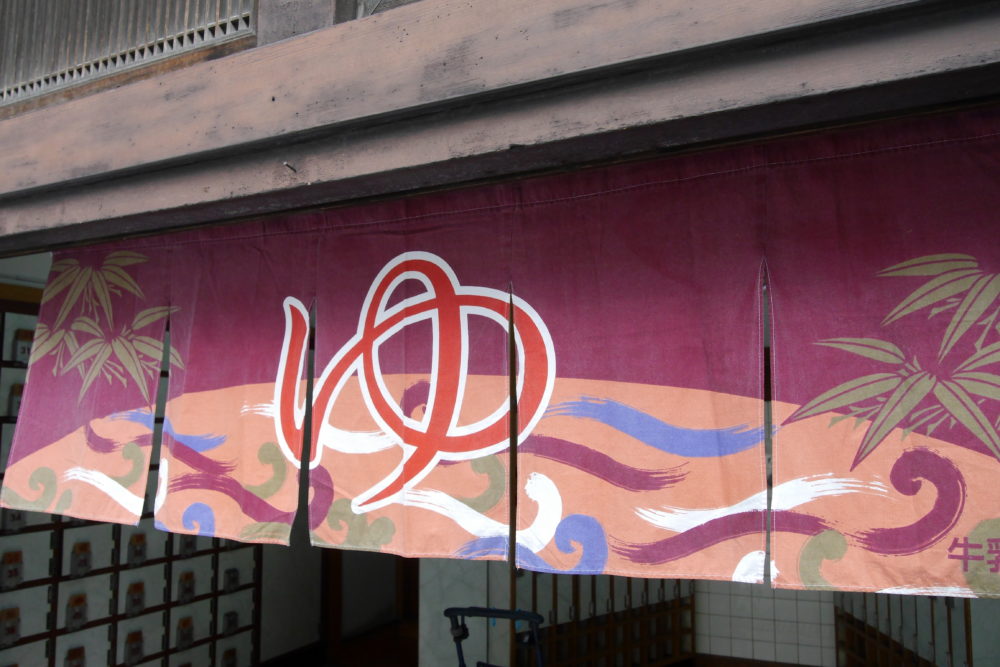
After a long day, many Japanese people head to a local sento (public bath) or super sento (large spa complex), often choosing ones with a sauna to relax and unwind. After a hot soak, they dry off, sit down in a massage chair, and crack open a cold bottle of beer or coffee with milk.
There’s no music, no noise—just silence, steam, and ritual. It’s the most peaceful nightlife you can imagine.
👉 To many locals, this routine replaces going out. It’s a form of nighttime meditation.
7. Home Hangouts: The Quiet Side of Japanese Nightlife
While Japan has endless bars and clubs, many young people prefer a quiet night at a friend’s apartment. They bring drinks, snacks, play games, talk for hours—or just scroll through their phones together.
It’s low-key, cheap, and private—especially for those in their 20s and 30s who live with family or have small apartments.
👉 These gatherings are invisible to tourists but central to how modern Japanese youth spend their nights.
Final Thoughts
The real Japanese nightlife isn’t loud or flashy. It’s intimate. Subtle. It happens behind closed doors, under cherry trees, in small apartments, and steamy bathhouses. If you’re lucky enough to be invited in, say yes. It may not be the night you expected—but it will be the one you’ll remember.