





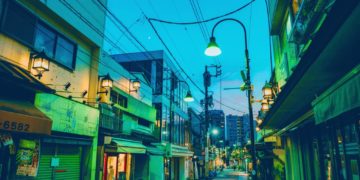
Discovering the intimate world of mama-san hospitality and local connections that tourists rarely experience
Introduction: Beyond the Neon – Where Real Japan Gathers
Hidden behind the flickering neon signs and tourist-friendly facades of Japan’s entertainment districts lies a cultural institution so authentically Japanese that most international visitors never discover its existence. The snack bar—not to be confused with convenience store snacks or casual eateries—represents one of Japan’s most intimate and misunderstood social spaces, where genuine community, emotional support, and cultural connection flourish in ways that conventional nightlife cannot replicate.
With over 60,000 snack bars scattered across Japan, these tiny establishments function as extended living rooms where skilled hostesses known as “mama-san” create warm, inclusive environments that serve as combination social clubs, counseling centers, and surrogate families for regular customers. Unlike the transactional entertainment of larger venues, snack culture prioritizes authentic relationship building, emotional connection, and the kind of genuine hospitality that reflects Japan’s deepest cultural values.
For international visitors seeking authentic insight into Japanese social culture, snack bars offer experiences that exist nowhere else in the world—intimate community spaces where the boundaries between entertainer and friend, customer and family member, business and genuine care blur in ways that reveal how traditional Japanese values adapt to contemporary urban life.
This isn’t casual nightlife or conventional entertainment. This is participation in living cultural traditions where social connection, emotional support, and genuine community create experiences that transform strangers into temporary family members through shared drinks, conversation, and the particular magic that happens when authentic hospitality meets human need for belonging.
Understanding the Snack Phenomenon: More Than Entertainment
The Philosophy of Intimate Hospitality
Snack bars operate according to cultural principles that distinguish them from every other form of commercial entertainment. Unlike bars that serve drinks, clubs that provide music, or restaurants that offer food, snacks prioritize the creation of genuine social connection and emotional support that extends far beyond commercial transaction.
The mama-san who operates a snack bar functions as counselor, entertainer, matchmaker, and surrogate family member, creating environments where customers feel valued, understood, and genuinely cared for rather than simply served. This requires sophisticated social skills, emotional intelligence, and genuine interest in customers’ lives and well-being that transforms commercial hospitality into authentic relationship building.
The Economics of Emotional Labor
Understanding snack culture requires recognizing the complex economics of emotional labor, where mama-san provide services that extend far beyond serving drinks to include counseling, social support, and genuine care that customers cannot access through conventional commercial relationships.
The pricing structures of snack bars reflect not just alcohol and entertainment costs but the value of genuine human connection, emotional support, and the skilled social labor required to create inclusive, nurturing environments where diverse customers feel welcome and valued.
Community Building Through Shared Vulnerability
Snack bars create unique social dynamics where customers share personal stories, emotional challenges, and life experiences in environments designed to encourage vulnerability and mutual support. This shared emotional openness creates community bonds that extend beyond the physical space of the bar to encompass ongoing relationships and social networks.
The cultural protocols that govern snack behavior—respect for others’ stories, appropriate emotional support, and genuine interest in fellow customers’ well-being—reflect broader Japanese values of community responsibility and mutual care that many contemporary social institutions have lost.
The Mama-san: Masters of Social Architecture
Beyond Hostess: The Role of Cultural Curator
The mama-san who operates a snack bar functions as far more than a hostess or bartender—she serves as cultural curator, social architect, and community leader who creates and maintains the social ecosystem that makes authentic snack culture possible. Her skills include reading social dynamics, facilitating conversation between strangers, and creating inclusive atmospheres where diverse customers feel comfortable and valued.
The best mama-san possess sophisticated understanding of human psychology, group dynamics, and cultural communication that allows them to integrate newcomers into established social groups while maintaining the intimate atmosphere that regular customers value. This requires ongoing attention to individual personalities, social chemistry, and the subtle factors that determine whether social interactions enhance or diminish the overall community experience.
The Art of Inclusive Authority
Mama-san exercise authority in their establishments through inclusive leadership that balances individual customer needs with community welfare. They make decisions about seating arrangements, conversation topics, music selection, and social activities that affect the entire group while ensuring that no individual customer feels excluded or unwelcome.
This inclusive authority reflects traditional Japanese concepts of leadership that prioritize community harmony over individual preferences while maintaining respect for personal dignity and individual contribution to group well-being.
Creating Family from Strangers
The most skilled mama-san excel at transforming groups of strangers into temporary families through carefully managed social interactions, shared activities, and emotional connections that create genuine bonds between people who might otherwise never meet or interact.
This family-creation skill involves understanding personality types, facilitating appropriate introductions, managing potentially difficult social dynamics, and creating shared experiences that build lasting connections between customers who come from diverse backgrounds and social circumstances.
The Architecture of Intimacy: Physical and Social Space
Designing for Connection
Snack bar interior design reflects sophisticated understanding of how physical space affects social interaction, with every element—from lighting and seating arrangements to decoration and music systems—carefully chosen to encourage conversation, emotional openness, and community building.
The typical snack bar seats 6-12 customers in close proximity around a central counter or small tables, creating physical intimacy that naturally encourages social interaction while preventing the formation of separate groups that might exclude other customers.
The Psychology of Safe Space
Successful snack bars create psychological safety through physical design, social protocols, and mama-san management that allows customers to express vulnerability, share personal experiences, and form emotional connections without fear of judgment or social rejection.
This safety creation involves controlling alcohol consumption to maintain appropriate social dynamics, managing conversation topics to avoid conflict, and intervening in social interactions that might threaten the inclusive atmosphere that makes emotional openness possible.
Personalization and Individual Recognition
Each snack bar reflects its mama-san’s individual personality, interests, and aesthetic preferences, creating unique environments that attract customers who appreciate specific types of social interaction, entertainment, and community atmosphere.
The personalization extends to customer relationships, where regular patrons develop ongoing connections with mama-san who remember their preferences, life circumstances, and social needs, creating continuity and emotional support that enhances customers’ lives beyond the time spent in the establishment.
Regional Variations in Snack Culture
Tokyo: Urban Anonymity and Intimate Connection
Tokyo’s snack culture reflects the challenges of creating genuine community within urban anonymity, where establishments serve customers who might live and work near each other but lack opportunities for meaningful social connection outside of these intimate venues.
The city’s snack bars often function as neighborhood social centers where residents form relationships that extend beyond the bar to encompass mutual support, friendship, and community involvement that enriches urban life in ways that larger entertainment venues cannot provide.
Osaka: Merchant Culture and Democratic Socializing
Osaka’s snack culture embodies the city’s merchant heritage through unpretentious social dynamics, direct communication styles, and democratic hospitality that welcomes customers from diverse economic and social backgrounds.
The region’s approach to snack culture emphasizes humor, practical wisdom, and the kind of genuine warmth that reflects Osaka’s cultural values of authentic human connection over formal social protocols.
Rural Japan: Community Anchors and Social Preservation
In smaller Japanese cities and rural areas, snack bars often function as essential community infrastructure, providing social centers for populations that might otherwise lack opportunities for regular social interaction and community building.
These rural snacks often serve multiple generations of families, creating intergenerational social spaces where cultural knowledge, community history, and traditional values are transmitted through informal conversation and shared experience.
The Protocols of Participation
Understanding Membership and Introduction
Many authentic snack bars operate according to informal membership systems where new customers require introduction from existing members, creating exclusive communities that maintain their intimate character through selective admission rather than open commercial access.
These membership protocols reflect the family-like nature of snack communities, where introducing newcomers involves taking responsibility for their behavior and ensuring their compatibility with established social dynamics.
Social Etiquette and Community Contribution
Successful participation in snack culture requires understanding social protocols that govern conversation topics, alcohol consumption, interaction with other customers, and appropriate ways to contribute to community atmosphere and mama-san support.
The etiquette emphasizes respect for others’ privacy while encouraging openness, appropriate reciprocity in conversation and emotional support, and genuine interest in community welfare rather than individual entertainment.
Gift-Giving and Reciprocity
Snack culture includes sophisticated gift-giving traditions where customers show appreciation for mama-san hospitality and community membership through appropriate presents, special occasion celebrations, and ongoing support that extends beyond simple payment for services.
Understanding these reciprocity traditions helps visitors participate meaningfully in snack culture while showing respect for the emotional labor and community building that mama-san provide.
Language and Cultural Communication
Beyond Words: The Art of Cross-Cultural Connection
While language barriers can complicate snack bar experiences for international visitors, the emphasis on emotional connection and genuine human interaction often transcends linguistic limitations through body language, shared activities, and the universal human needs for belonging and acceptance.
Many mama-san excel at non-verbal communication, cultural sensitivity, and creating inclusive atmospheres where language differences become opportunities for cultural exchange rather than barriers to meaningful interaction.
Music as Universal Language
Snack bars typically feature karaoke systems that provide opportunities for cultural exchange through music, where shared singing experiences create emotional connections that overcome language barriers while introducing customers to each other’s cultural backgrounds.
The karaoke aspect of snack culture emphasizes community participation over individual performance, creating group activities that build social bonds while accommodating diverse skill levels and cultural comfort zones.
The Role of Translation and Cultural Mediation
Some snack bars in international areas employ staff or regular customers who can provide translation services, while many mama-san develop basic communication skills that allow them to welcome international visitors despite language limitations.
The cultural mediation extends beyond language translation to include explanation of social protocols, cultural context, and appropriate behavior that helps international visitors participate meaningfully in snack culture.
Economic Aspects and Sustainability
Understanding Pricing and Value Systems
Snack bar pricing structures reflect the comprehensive services provided—not just alcohol and food but emotional support, social facilitation, community building, and genuine hospitality that justifies costs that might seem high for simple drink service.
The economic model supports sustainable small business operation that allows mama-san to maintain quality service, invest in community building, and provide ongoing support for regular customers who depend on these establishments for genuine social connection.
Supporting Local Business and Community Infrastructure
Patronizing authentic snack bars contributes to local economic ecosystems that support small business ownership, community social infrastructure, and cultural preservation that maintains traditional Japanese hospitality values in contemporary urban settings.
Understanding the community function of snack bars helps visitors appreciate their role beyond entertainment to encompass essential social services that support mental health, community cohesion, and cultural continuity.
The Challenge of Cultural Preservation
Contemporary snack culture faces challenges from changing demographics, urban development pressures, and cultural shifts that threaten the economic and social foundations that sustain these community-oriented establishments.
Supporting authentic snack culture through appropriate patronage, cultural respect, and recognition of their community value helps preserve these disappearing social institutions for future generations.
Guided Experiences: Navigating Cultural Complexity
The Rise of Snack Tours
Professional snack tours have emerged to help international visitors navigate the cultural complexity of authentic snack experiences while respecting the social protocols and community dynamics that make these establishments valuable for regular customers.
These guided experiences provide cultural education, translation services, and appropriate introduction protocols that allow meaningful participation in snack culture without disrupting the intimate community dynamics that regular customers value.
Educational Value and Cultural Exchange
Quality snack tours emphasize cultural education over entertainment, helping participants understand the social functions, cultural significance, and community value of snack culture while facilitating genuine cultural exchange between visitors and local communities.
The educational component includes instruction in appropriate behavior, social protocols, and cultural context that enhances appreciation while ensuring respectful participation in living cultural traditions.
Balancing Tourism and Authenticity
Successful snack tourism requires careful balance between providing access for international visitors and preserving the authentic community culture that makes snack bars valuable for local populations.
The best approaches involve collaboration with mama-san and regular customers to create visiting protocols that enhance rather than compromise authentic snack culture while providing meaningful cultural experiences for visitors.
The Social Psychology of Snack Culture
Understanding Japanese Social Needs
Snack culture addresses specific social and psychological needs within Japanese society, including the desire for intimate social connection, emotional support, and community belonging that larger social institutions often cannot provide.
The popularity of snack bars reflects ongoing social needs for authentic human connection, emotional expression, and community support that contemporary urban life often lacks despite technological connectivity and social media interaction.
Therapy Through Community
Many customers use snack bars as informal therapy spaces where emotional support, practical advice, and genuine care from mama-san and fellow customers provide mental health benefits that complement or substitute for formal counseling services.
This therapeutic function reflects traditional Japanese approaches to mental health that emphasize community support, social connection, and emotional expression within trusted relationships rather than individual therapy models.
Gender Dynamics and Social Evolution
Contemporary snack culture includes increasing female customer participation and evolving gender dynamics that reflect broader social changes while maintaining the inclusive community values that define authentic snack culture.
Understanding these evolving dynamics helps visitors appreciate how traditional Japanese social institutions adapt to contemporary social changes while preserving their essential community functions.
Practical Guidance for Authentic Experiences
Preparation and Cultural Sensitivity
Successful snack bar experiences require cultural preparation that includes understanding social protocols, appropriate behavior expectations, and the community functions these establishments serve beyond simple entertainment.
Mental preparation involves approaching snack culture as cultural learning opportunity rather than exotic entertainment, with genuine interest in understanding Japanese social values and community building practices.
Appropriate Behavior and Contribution
Meaningful participation in snack culture requires willingness to contribute positively to community atmosphere through respectful interaction, genuine interest in other customers, and appreciation for the social skills and emotional labor that mama-san provide.
This contribution includes appropriate conversation participation, respect for community protocols, and understanding that snack experiences depend on mutual social investment rather than passive consumption of services.
Building Temporary Relationships
The most rewarding snack experiences involve building temporary relationships with mama-san and fellow customers through genuine cultural exchange, shared experiences, and mutual respect that creates lasting memories and cultural understanding.
These relationship-building opportunities require openness to cultural differences, patience with communication challenges, and genuine interest in learning about Japanese social values and community practices.
Conclusion: Finding Family in Foreign Places
Japan’s snack culture offers something increasingly rare in contemporary urban life: authentic community spaces where genuine human connection, emotional support, and cultural exchange create experiences that transform strangers into temporary family members through shared vulnerability and mutual care.
For international visitors seeking authentic insight into Japanese social culture beyond surface-level tourism, snack bars provide access to living cultural traditions where traditional values of hospitality, community responsibility, and genuine care continue to shape contemporary social relationships.
The investment in cultural preparation, social sensitivity, and genuine interest required for meaningful participation in snack culture yields experiences that enhance understanding of Japanese society while providing personal connections that transcend cultural and linguistic barriers.
This isn’t entertainment in the conventional sense—it’s participation in cultural institutions that demonstrate how traditional Japanese values create social solutions to contemporary urban challenges, where small spaces and skilled social leadership build communities that nourish human needs for belonging, acceptance, and genuine connection.
In Japan’s snack bars, where mama-san create family from strangers and intimate spaces become stages for authentic cultural exchange, visitors can discover how genuine hospitality functions when freed from commercial pressures and tourist expectations. Here, behind the neon curtain of conventional nightlife, the authentic heart of Japanese community culture beats steadily, welcoming those who approach it with respect, curiosity, and genuine desire for human connection.
The mama-san who remembers your story, the regular customer who becomes a temporary friend, and the establishment that feels like a living room rather than a commercial space all represent aspects of Japanese culture that reveal themselves only to those willing to invest in genuine social connection rather than casual consumption of exotic experiences.
In these intimate spaces where emotion meets hospitality and vulnerability becomes the foundation for community, visitors can experience the social architecture that has sustained Japanese communities for generations—one conversation, one shared song, and one moment of genuine human connection at a time.