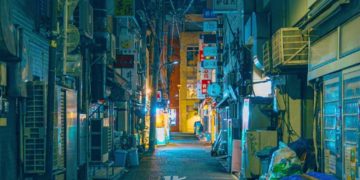





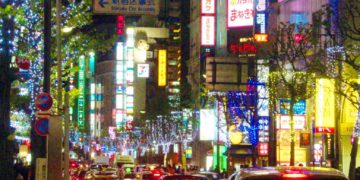




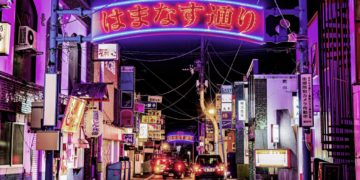
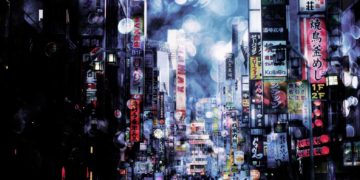
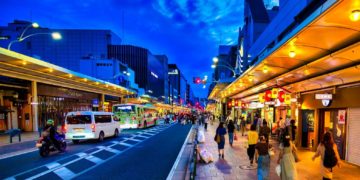
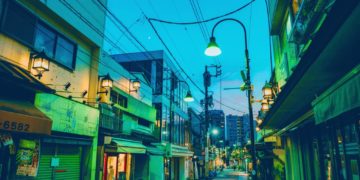

Summer nights in Japan erupt with life, culture, and electrifying atmosphere. From traditional matsuri (festivals) down narrow lantern-lit streets to modern open-air raves, Japan after dark is a playground for the senses. For travelers drawn to rhythm, shared joy, and vibrant energy, this guide outlines how to lean into Japan’s nighttime soul—from ancient dance parades to techno beats under the stars.
1. The Essence of Japanese Night Festivals
Japanese nighttime festivals are a blend of ancestral spirit and modern exuberance. Matsuri evolved from Shinto ceremonies honoring gods, villages, or seasons. Over centuries, local customs layered in dance, music, and food. When lanterns light up at dusk, the atmosphere shifts from quaint ritual to communal celebration.
Why Night Is Magnetic
- Lantern‑light theatrics make familiar streets feel magical.
- Cooler evenings let crowds stay energized longer.
- Sounds—from taiko drums to DJs— resonate more powerfully after sunset.
- Communal vibe: strangers become dance partners; cheers rise as firework blooms pop above.
Together, these elements form the Japanese summer night alchemy—a moment when culture breathes and friendship blooms under neon and starlight.
2. Must-Experience Nighttime Traditional Matsuri
2.1 Awa Odori (Tokushima & Tokyo Koenji)
- Overview: Known as Japan’s most famous dance festival. Dancers wearing straw hats perform hypnotic, rhythmic steps through town.
- Experience: In Tokushima, processions stretch for days. In Tokyo, Koenji’s amateur version pulses through narrow alleys late into the night.
- Tips: Join a local ensemble (“ren”) with a donation, and dance by lantern glow. Don’t miss the call-and-response shouts, “Yattosa!”
2.2 Gion Matsuri Yoiyama (Kyoto)
- Overview: Mid-summer matriarch of matsuri. Yamaboko floats dressed in paper lanterns parade through Gion’s historic lanes.
- Experience: Elegant crowds in yukata wander between food stalls offering shōchū cocktails and yōkan sweets.
- Highlight: Enjoy a riverside seat facing Yasaka Shrine—watch the lights pulse and the crowd breath together.
2.3 Nebuta Night Parade (Aomori)
- Overview: Massive illuminated floats depicting warriors or mythic figures set the night ablaze.
- Experience: Heart-thumping taiko beat and chanting “rassera, rassera” unlock the crowd’s collective energy.
- Tip: Come early—even seating is open—but standing along the route gives the most visceral connection.
2.4 Tenjin Matsuri (Osaka)
- Overview: One of Japan’s three most important festivals. Features shrine processions on land and river, and midnight fireworks.
- Experience: Ghostly red lanterns drift along the riverbank; then flames shoot upward with thunderous applause.
- Pro Tip: Book ahead for riverfront terrace restaurants for a refined viewing experience.
2.5 Sumida River Fireworks Festival (Tokyo)
- Overview: One of Japan’s largest fireworks displays—over 20,000 shell bursts illuminate the night.
- Experience: Families picnic under the sky; komachi hot cakes give way to waves of colored explosions.
- Tip: Grab a tarp before 4 PM, line up ear plugs for kids, and enjoy slow-moving subway rides home.
3. Japan’s Rising Night Music Culture
While matsuri holds tight to ritual and community, modern music festivals tap into the ambient energy of cool nights and open fields.
3.1 Fuji Rock Twilight Stage
- Experience: Evening concerts among cedar forests. Music drifts uphill over darkened stages.
- Why it’s special: After 8 PM, crowds thin for intimate interactions between band and earth.
3.2 Summer Sonic Night Sessions
- Experience: Late-night sets by international pop/EDM acts in Tokyo or Osaka.
- Tip: Grab a yakitori alley crawl afterward—midnight dining scene keeps the vibe alive.
3.3 Rainbow Disco Club & Outdoor Raves
- Experience: Electronic beats with nature as decor—forest clearings, beach edges, or rooftop decks.
- Fun Fact: Most events are casually accessible—bring a towel and an open invite to dance.
4. Matsuri for the Senses: Food, Lights, and Sound
4.1 Street Food Heaven
- Night vendors offer takoyaki, kakigōri, yakitori, and more regional treats like Hiroshima’s okonomiyaki.
- Tip: Bring a small bag and water. Staying light means you can eat more.
4.2 Lighting Culture
- Paper lanterns and projection-mapped shrines are set to soundtracks timed for marvel.
- Tip: Look for visual app schedules—colored lights and music fuse temperatures and emotion.
4.3 Taiko & DJ Fusion
- At Tokyo Midtown or World Happiness Festival, DJs sample traditional rhythms.
- Result: A generational bridge—older festival styles meeting EDM frenzy = timeless energy.
5. Pop-Up & Local Night Festivals
5.1 Shimokitazawa’s Indie Night Market
- Location: Side lanes stacked with vintage stalls, street performers, and vinyl DJs.
- Atmosphere: Local dance moves and young couples drifting through stalls.
5.2 Okinawa Island Night Festivals
- Elements: Eisa drumming, sanshin folk music, local fare on moonlit beaches.
- Charm: It’s personal, open-mic and often free—just show up.
5.3 Nagoya’s World Matsuri Zone
- Global vibe: Samba dancers, Afrobeat horns, and fusion performances.
- Tip: Mix culture—eat local twists, dance with diverse crowds, collect a few beats in your heart.
6. Tips for First-Time Matsuri-Goers
6.1 Navigating Crowds & Comfort
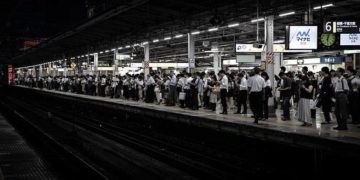
- Use rail app services to avoid rush hours.
- Carry cooling towels, stay hydrated. Avoid peak crush zones by arriving early.
6.2 Dressing for the Night
- Yukata are beautiful and functional with loose airflow.
- Bring a sensu fan, towel, and reserve a small pouch for essentials.
6.3 Finding Festivities During Your Trip
- Matsuri Navi app, city tourism websites, and hotel lobbies offer current event guides.
- Street flyers and posters appear around shrines and stations beginning in June–August.
7. FAQs About Nighttime Festivals
| Q | A |
|---|---|
| Do I need Japanese language? | No—music and motion speak louder than words. Minor English is usually fine. |
| Should I bring ear protection? | Recommended. Fireworks and drums can reach 100+ dB. |
| What about weather cancellations? | Many traditional sets are canceled; music raves may shift indoors. |
| Can families go with small kids? | Yes—choosing wide aisles and loud headphones helps. |
| How to get home after the event? | Trains may end near midnight; taxis are available, but pre-booking seasonal trains is smart. |
8. Final Thoughts: Why These Nights Stick
Night festivals in Japan let you step outside everyday life. Whether swinging along to drum chants, savoring smoky hotcakes, dancing barefoot in LED light, or trekking through tatami-coated shrine halls—these nights create pure, forged-in-light memories.
They’re not just itineraries—they’re snapshots of collective joy. So go light, stay curious, and let the night carry you into the heart of Japan’s vibrant spirit.
Japan after sunset isn’t nightlife. It’s life under lights and drums.