



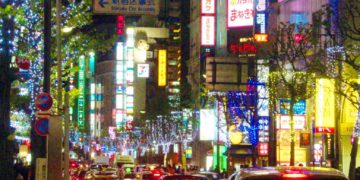




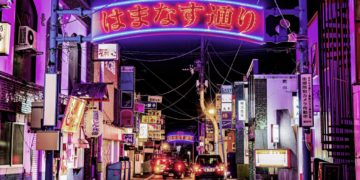
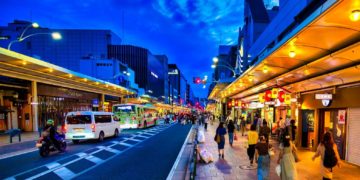
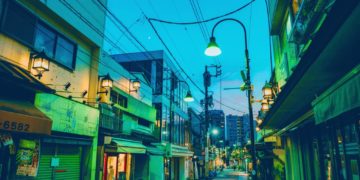

Exploring the hidden world of round-the-clock establishments that never sleep in the land of the rising sun
Introduction: The Nation That Never Truly Sleeps
While New York claims to be “the city that never sleeps,” Japan has quietly perfected the art of 24-hour living in ways that make other countries’ late-night offerings seem quaint by comparison. From the neon-lit convenience stores that anchor every neighborhood to the labyrinthine manga cafes that serve as temporary homes for the night shift workers and missed-last-train casualties, Japan’s 24-hour culture represents something far more sophisticated than simple commercial availability—it’s a parallel universe that emerges when conventional society powers down.
This isn’t just about staying open late. This is about entire ecosystems of businesses, services, and social spaces that have evolved to serve the complex needs of a society where millions of people work, travel, and socialize outside conventional daylight hours. From the salaryman who missed the last train to Shibuya to the night shift nurse grabbing a hot meal at 4 AM, Japan’s 24-hour establishments provide essential infrastructure for modern urban life that extends far beyond convenience.
For international visitors accustomed to cities where “late night” means staying open until midnight, Japan’s round-the-clock culture offers a revelation: entire districts that come alive after conventional closing hours, services that anticipate needs you didn’t know you had, and experiences that exist only in the liminal hours between conventional days. This is where Japan’s legendary attention to detail meets the practical needs of a society that operates around the clock, creating 24-hour experiences that feel more like cultural immersion than simple commercial transactions.
The Convenience Store Revolution: More Than Just Shopping
Understanding Konbini as Social Infrastructure
Japan’s convenience stores—known locally as konbini—represent perhaps the world’s most sophisticated approach to 24-hour retail, where every store functions as a neighborhood nerve center providing services that extend far beyond simple shopping. These aren’t just places to buy snacks and drinks; they’re banking centers, shipping facilities, ticket offices, bill payment services, and informal community gathering spaces that anchor neighborhood life around the clock.
The konbini system reflects Japanese innovation in understanding how urban populations actually live and what services they need when traditional business hours don’t align with work schedules, travel patterns, and social rhythms. A single convenience store might handle dozens of different services, from accepting deliveries for neighbors to processing government paperwork, all while maintaining food quality and customer service standards that many countries can’t achieve during normal business hours.
The Art of Fresh Food Around the Clock
What sets Japanese convenience stores apart from international counterparts is their commitment to fresh, high-quality food available 24 hours a day. The complex logistics systems that deliver multiple fresh food shipments daily, the preparation standards that ensure quality control across thousands of locations, and the menu innovation that provides restaurant-quality meals at convenience store prices all represent sophisticated solutions to the challenge of feeding a 24-hour society.
Understanding konbini food culture requires appreciating the technical and cultural achievements involved in maintaining such consistently high standards. The karaage chicken available at 3 AM meets the same quality standards as the lunch rushes, the rice balls are prepared fresh multiple times daily, and the seasonal menu rotations reflect the same attention to ingredient quality that defines Japanese restaurant culture.
Services That Redefine Convenience
Modern Japanese convenience stores provide services that transform them into essential infrastructure for 24-hour living. Need to send a package to anywhere in Japan? The konbini handles it with next-day delivery that rivals dedicated shipping services. Need to pay utility bills or withdraw cash from your bank account? The convenience store provides financial services that operate when banks are closed.
This service integration reflects sophisticated understanding of how urban life actually works, where convenience becomes less about simple shopping and more about providing essential services when and where people actually need them rather than when traditional businesses think they should be available.
Gaming Culture That Never Stops
The 24-Hour Arcade Ecosystem
Japan’s gaming culture operates on different temporal principles than most entertainment industries, with major arcade centers maintaining round-the-clock operations that serve distinct communities during different time periods. The 3 PM crowd differs dramatically from the 3 AM demographic, creating multiple gaming cultures within the same physical spaces.
Late-night arcade culture attracts serious competitive players who use off-peak hours for intensive practice sessions, social groups seeking entertainment after conventional evening activities, and international visitors whose jet lag aligns with Japanese late-night schedules. Understanding these different gaming communities helps visitors appreciate how 24-hour operations create diverse cultural experiences within single venues.
Pachinko: The Industry That Redefined 24-Hour Entertainment
Japan’s pachinko industry represents one of the world’s largest entertainment sectors, with many parlors operating extended hours that approach true 24-hour availability. The cultural significance of pachinko extends beyond simple gambling, encompassing social interaction, stress relief, and community gathering spaces that serve important functions in Japanese urban life.
The 24-hour pachinko culture creates unique social dynamics where different customer demographics use the same facilities during different time periods, from elderly retirees during afternoon hours to night shift workers seeking entertainment before or after their work schedules.
Internet and Manga Cafes: Digital Refuges
The evolution of internet and manga cafes from simple reading spaces to comprehensive 24-hour living facilities represents Japanese innovation in understanding how digital culture intersects with urban housing realities. These establishments now provide shower facilities, sleeping spaces, unlimited internet access, and comprehensive entertainment libraries that function as temporary homes for various customer demographics.
Understanding manga cafe culture requires recognizing its social functions beyond entertainment—these venues serve as affordable accommodation alternatives, social spaces for people who live alone, and digital workspaces for freelancers and students who need reliable internet access outside conventional office hours.
The Night Shift Dining Culture
Ramen and the 3 AM Rush
Japan’s ramen culture includes specialized establishments that cater specifically to late-night and early-morning customers, creating unique dining experiences that align with work schedules, social patterns, and the particular nutritional needs of people eating at unconventional hours. These aren’t simply restaurants that happen to stay open late—they’re specifically designed for 24-hour dining culture.
Late-night ramen establishments often feature heartier broths, larger portions, and preparation methods designed to provide substantial nutrition for customers who might be eating their primary meal of the day at 2 AM. Understanding this specialized approach helps visitors appreciate how Japanese food culture adapts to serve diverse lifestyle patterns.
Yoshinoya and the Democratic Bowl
Chain restaurants like Yoshinoya have perfected the art of 24-hour dining by focusing on simple, consistent, and affordable meals that meet the basic nutritional needs of customers eating at any hour. Their success reflects understanding that 24-hour dining requires different approaches than conventional restaurant service—faster preparation, standardized quality, and pricing that accommodates diverse economic situations.
The cultural significance of these 24-hour chains extends beyond convenience to provide essential social infrastructure, where solo diners can eat comfortable meals without social pressure, where shift workers can access familiar food regardless of their schedules, and where the democratic nature of simple, quality food creates inclusive dining experiences.
Convenience Store Dining Evolution
The evolution of convenience store food from basic snacks to comprehensive meal options represents ongoing innovation in 24-hour dining culture. Modern konbini offer fresh salads, elaborate bento boxes, seasonal specialties, and even regional cuisine adaptations that provide restaurant-quality dining experiences available around the clock.
This food evolution reflects sophisticated understanding of customer needs and technical innovation in food preparation, preservation, and logistics that maintains quality standards while providing accessibility that conventional restaurants cannot match.
Transportation and the Midnight Economy
Night Bus Networks and 24-Hour Mobility
Japan’s extensive night bus networks provide essential transportation infrastructure that supports 24-hour urban life, connecting major cities and enabling travel patterns that align with work schedules, entertainment preferences, and economic necessities that don’t conform to conventional daytime transportation schedules.
Understanding night bus culture provides insight into how transportation policy supports 24-hour society, where affordability, comfort, and scheduling flexibility enable mobility for demographics that might otherwise be excluded from intercity travel options.
Taxi Culture and Late-Night Economics
Japan’s taxi industry operates sophisticated 24-hour systems that adjust pricing, service levels, and availability to match demand patterns that vary dramatically between conventional business hours and late-night operations. The cultural protocols around taxi usage, the economic structures that support round-the-clock service, and the social dynamics between drivers and late-night passengers all reflect complex adaptations to 24-hour urban life.
Station Sleeping and Transit Refuge
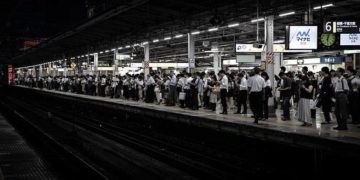
The phenomenon of people sleeping in stations, manga cafes, and other 24-hour facilities reflects both the realities of urban housing costs and the availability of safe, affordable alternatives that function as temporary accommodation. Understanding this aspect of 24-hour culture provides insight into how Japanese society addresses urban housing pressures through innovative commercial solutions.
Health and Wellness Around the Clock
24-Hour Fitness and the Working Body
Japan’s 24-hour fitness culture serves customers whose work schedules, social commitments, and lifestyle patterns don’t align with conventional gym hours. These facilities often feature different atmospheres and customer demographics during late-night hours, creating unique fitness communities around shared schedules rather than shared interests.
The equipment, class schedules, and social dynamics of 24-hour fitness facilities reflect understanding of how physical wellness needs vary based on work schedules, stress patterns, and the particular challenges faced by people maintaining health routines outside conventional daytime patterns.
Sento and Spa Culture Extended Hours
Some traditional bathhouses and spa facilities offer extended or 24-hour operations that serve customers seeking relaxation, stress relief, and social interaction during off-peak hours. These venues often attract shift workers, insomniacs, and visitors whose schedules don’t align with conventional spa operating hours.
Understanding extended-hours spa culture provides insight into how traditional Japanese wellness practices adapt to contemporary urban life while maintaining their essential therapeutic and social functions.
Medical Services and Emergency Care
Japan’s 24-hour medical infrastructure includes specialized clinics, pharmacy services, and emergency care systems designed to serve urban populations whose health needs don’t conform to conventional medical office hours. This medical availability reflects sophisticated understanding of how urban health challenges require around-the-clock professional support.
Shopping and Consumer Culture
Don Quijote: The Wonderland That Never Closes
Don Quijote represents perhaps Japan’s most famous 24-hour retail experience, where the combination of discount prices, bizarre product selection, and round-the-clock availability creates shopping experiences that feel more like entertainment than conventional retail. Understanding Don Quijote culture requires appreciating how 24-hour operations enable different shopping behaviors and consumer patterns.
The store’s appeal extends beyond simple convenience to encompass discovery, entertainment, and the particular pleasure of shopping when stores aren’t crowded and time pressure doesn’t affect decision-making processes.
Vending Machine Omnipresence
Japan’s extensive vending machine networks provide 24-hour access to beverages, snacks, and increasingly sophisticated products that support round-the-clock urban life. The cultural and technical systems that maintain millions of vending machines, the product selection processes that determine availability, and the social functions these machines serve all reflect sophisticated approaches to 24-hour consumer culture.
Night Markets and Street Food Evolution
While less common than in some Asian countries, Japan’s late-night food vendors and informal markets create unique commercial experiences that serve late-night communities with fresh, affordable food options that complement rather than compete with formal restaurant and convenience store offerings.
Entertainment That Never Ends
Karaoke Culture and Social Connection
Japan’s 24-hour karaoke industry serves diverse social functions that extend beyond simple entertainment, providing spaces for stress relief, social bonding, business networking, and personal expression that operate according to customers’ actual social schedules rather than conventional entertainment industry hours.
Understanding 24-hour karaoke culture requires recognizing its therapeutic and social functions, where private rooms provide safe spaces for emotional expression, group activities strengthen relationships, and the availability of round-the-clock entertainment supports mental health and social connection needs.
Pachinko and the Psychology of 24-Hour Gaming
The psychological and social dynamics of 24-hour pachinko operations create unique entertainment experiences where time becomes fluid, social interaction follows different patterns, and the gaming experience provides stress relief, social connection, and mental stimulation that serves important functions in urban life.
Internet Cafes as Digital Social Spaces
Modern internet cafes function as comprehensive digital social environments where customers access entertainment, work opportunities, social connection, and temporary refuge that supports diverse lifestyle patterns and economic situations. Understanding these venues requires appreciating their multifunctional nature beyond simple internet access.
Regional Variations in 24-Hour Culture
Tokyo: The Global Capital of Never Sleeping
Tokyo’s 24-hour culture represents perhaps the world’s most sophisticated integration of round-the-clock services, entertainment, and social infrastructure. The city’s approach to 24-hour living reflects urban density, diverse population needs, and cultural innovation that creates seamless transitions between day and night activities.
Osaka: Commerce and Community Around the Clock
Osaka’s 24-hour culture emphasizes commercial innovation and community-oriented services that reflect the city’s merchant heritage and social values. The particular ways that Osaka adapts 24-hour operations to local cultural preferences and business practices create distinctive regional approaches to round-the-clock urban life.
Regional Centers and 24-Hour Adaptation
Smaller Japanese cities adapt 24-hour culture to local needs, demographics, and economic conditions, creating regional variations that demonstrate how round-the-clock services integrate with local cultural values and practical requirements.
The Economics of Never Closing
Labor and the 24-Hour Workforce
Japan’s 24-hour economy requires sophisticated labor management, worker protection systems, and social support structures that enable round-the-clock operations while maintaining employee welfare and service quality standards. Understanding these labor systems provides insight into how 24-hour culture functions as employment opportunity and social challenge.
Energy and Infrastructure Requirements
Maintaining 24-hour operations requires extensive infrastructure investment, energy management systems, and technological solutions that support round-the-clock service availability while managing environmental impact and operational costs.
Social Costs and Benefits
The social implications of 24-hour culture include both benefits—increased service accessibility, employment opportunities, lifestyle flexibility—and challenges including social isolation, health impacts, and family relationship effects that require ongoing cultural adaptation and policy consideration.
Practical Guide to Japan’s 24-Hour Experiences
Planning Your Round-the-Clock Adventure
Successful engagement with Japan’s 24-hour culture requires understanding timing patterns, service availability variations, and cultural protocols that differ from conventional business interactions. Strategic planning helps visitors access authentic 24-hour experiences while respecting the social dynamics and operational realities of round-the-clock establishments.
Safety and Cultural Considerations
Participating in Japan’s 24-hour culture requires understanding safety protocols, cultural expectations, and social responsibilities that ensure positive experiences for both visitors and the communities that maintain these round-the-clock services.
Budget and Economic Planning
The economic aspects of 24-hour culture—pricing variations, service fees, and value propositions—require different budgeting approaches than conventional tourism, where understanding cost structures helps visitors optimize their round-the-clock experiences.
Conclusion: Living in Perpetual Possibility
Japan’s 24-hour culture represents more than simple commercial availability—it embodies a sophisticated understanding of how contemporary urban life actually functions, where round-the-clock services create social infrastructure that supports diverse lifestyle patterns, work schedules, and cultural needs that don’t conform to conventional daytime assumptions.
For international visitors, engaging with Japan’s 24-hour culture provides insight into advanced urban living solutions that address practical challenges while maintaining cultural values and social cohesion. The investment in understanding these systems—their social functions, cultural protocols, and operational complexities—yields experiences that demonstrate how innovative societies can create inclusive, accessible, and sustainable approaches to urban life.
This isn’t about staying up late or finding convenience—it’s about discovering how a society can organize itself to serve human needs regardless of when those needs arise, where cultural innovation and practical problem-solving create living environments that support diverse communities and lifestyle patterns within shared social frameworks.
In Japan’s 24-hour establishments, where service quality never diminishes and cultural hospitality operates around the clock, visitors can experience urban life reimagined as continuous possibility rather than temporal limitation. Here, where the sun sets but society never sleeps, the future of urban living reveals itself through innovations that prioritize human needs over conventional scheduling.
The convenience store clerk who greets you with genuine warmth at 3 AM, the ramen master who maintains perfect broth quality throughout the night, and the manga cafe that provides refuge for those caught between conventional social schedules all represent aspects of cultural evolution that extends far beyond commerce to encompass genuine care for community welfare and individual dignity regardless of when people need support.