













Introduction: What is an Izakaya?
If you’re visiting Japan and want to dive into the local food culture, there’s no better place than an izakaya. These Japanese-style pubs offer an informal setting where people gather after work or on weekends to drink, eat, and unwind. Izakayas cater to groups of friends, solo diners, couples, and coworkers alike, making them one of the most versatile dining options in the country.
The beauty of izakayas lies not only in their laid-back atmosphere but also in the sheer variety of food available—ranging from comforting classics to regional specialties. Menus are usually broad, featuring small plates meant for sharing, allowing diners to enjoy a bit of everything. The food is meant to accompany drinks, creating a relaxed and highly social dining experience.
This guide covers:
- Must-try dishes at any izakaya
- What makes them uniquely Japanese
- Tips for ordering and enjoying your meal
- How to explore izakaya menus with confidence
Whether you’re a first-time visitor or just looking for new favorites, here’s what to expect from a typical izakaya menu.
1. Yakitori (Grilled Chicken Skewers)
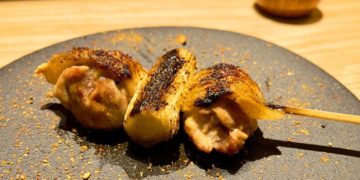
Yakitori (焼き鳥) is one of the most iconic izakaya dishes. Skewered and grilled over charcoal, it includes various chicken parts, from thigh meat to liver and gizzard. Yakitori vendors take pride in using every part of the chicken.
Popular Types:
- Momo (もも): Thigh meat, juicy and tender
- Negima (ねぎま): Chicken with scallion pieces
- Tsukune (つくね): Chicken meatballs, sometimes served with raw egg yolk
- Kawa (かわ): Crispy grilled chicken skin
- Tebasaki (手羽先): Chicken wings
- Reba (レバー): Chicken liver, rich and savory
Yakitori is typically seasoned with either salt (shio) or a sweet soy glaze (tare). Paired with a cold beer, it’s one of the most beloved bar foods in Japan.
2. Edamame (Boiled Green Soybeans)
A simple yet essential starter, edamame (枝豆) are lightly salted green soybeans served in the pod. They are typically served chilled and are enjoyed while sipping your first drink. High in protein and fiber, edamame is a healthy and delicious way to begin your meal.
3. Karaage (Japanese Fried Chicken)
Karaage (唐揚げ) is marinated chicken (usually thigh) that’s deep-fried until crispy on the outside and juicy inside. Marinated in soy sauce, garlic, and ginger before frying, karaage is served with lemon wedges and mayonnaise.
Variations:
- Tebasaki karaage: Fried chicken wings
- Namban-zuke: Karaage with a sweet vinegar sauce and tartar
This is a go-to comfort food for many Japanese and a must-try for visitors.
4. Agedashi Tofu (Fried Tofu in Broth)
Agedashi Tofu (揚げ出し豆腐) features lightly battered tofu cubes that are deep-fried and served in a hot savory broth made from dashi, soy sauce, and mirin. Topped with grated daikon radish, green onions, and bonito flakes, it offers a contrast of textures—crispy exterior, soft interior, and a warming broth.
This dish is a vegetarian favorite (just check if the broth includes fish-based dashi).
5. Sashimi and Seafood
While sushi is more commonly associated with specialized restaurants, many izakayas serve fresh sashimi (刺身)—slices of raw fish like tuna, salmon, mackerel, and squid.
Seafood Staples:
- Ika yaki (イカ焼き): Grilled squid, often served whole
- Ebi mayo (エビマヨ): Tempura shrimp with sweet mayonnaise
- Tako wasabi (たこわさび): Raw octopus marinated in wasabi and soy sauce
- Hotate butter (ホタテバター): Scallops sautéed in butter and soy sauce
Fresh seafood is especially abundant in coastal towns or port cities like Fukuoka, Hakodate, or Kanazawa.
6. Okonomiyaki and Teppanyaki Dishes
Okonomiyaki (お好み焼き) is a savory pancake made with flour, egg, cabbage, and a variety of ingredients such as pork, shrimp, or squid. It’s cooked on a hotplate and topped with sauce, mayonnaise, seaweed flakes, and bonito flakes.
Some izakayas also offer:
- Modan-yaki: Okonomiyaki with yakisoba noodles
- Monjayaki: A runnier version popular in Tokyo
Teppanyaki items include beef, pork, shrimp, and vegetables cooked on a flat iron grill, delivering rich umami flavors and a dramatic presentation.
7. Gyoza (Dumplings)
Gyoza (餃子) are pan-fried dumplings filled with pork, cabbage, garlic, and chives. Crispy on the bottom and steamed on top, gyoza are served with a dipping sauce made of soy sauce, vinegar, and chili oil.
Some izakayas also offer:
- Sui gyoza (水餃子): Boiled dumplings
- Age gyoza (揚げ餃子): Deep-fried gyoza
Gyoza are typically served in portions of 5 or 6 and are a popular accompaniment to beer or shochu.
8. Salads and Cold Dishes
While not the main draw, salads offer a refreshing contrast to heavier dishes.
Common Offerings:
- Japanese potato salad: Creamy with carrots and cucumbers
- Tofu salad: With citrusy ponzu dressing
- Seaweed salad: With sesame oil and vinegar
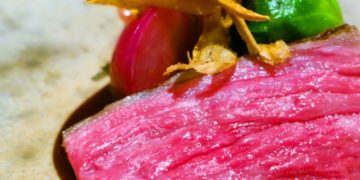
- Tataki: Lightly seared beef or fish, sliced thin and served chilled
These cold dishes also help cool the palate between rounds of hot food.
9. Noodles and Rice Dishes
Izakayas offer a variety of noodle and rice-based dishes that serve as the perfect way to wind down the meal.
Rice Dishes:
- Onigiri: Rice balls with fillings like salmon, pickled plum, or bonito
- Yaki onigiri: Grilled rice balls brushed with soy sauce
- Chazuke: Rice in tea or broth, topped with seaweed, salmon, or pickles
- Donburi: Rice bowls topped with meat, fish, or egg
Noodles:
- Yakisoba: Stir-fried noodles with pork and cabbage
- Udon: Thick noodles served hot or cold
- Soba: Buckwheat noodles, great for a lighter option
- Ramen: Sometimes available late-night in izakayas, though typically found in dedicated ramen shops
10. Desserts and Sweet Endings
Though not always expected at a pub, izakayas may offer:
- Matcha ice cream: Earthy, slightly bitter, and refreshing
- Yuzu sorbet: Citrus-based and light
- Warabi mochi: Soft jelly-like rice cake dusted with soybean flour
- Annin tofu (杏仁豆腐): Almond jelly, creamy and subtle
- Taiyaki: Fish-shaped pastry filled with sweet red bean paste
Desserts are usually modest in size—perfect for sharing or closing your meal on a gentle note.
Conclusion: Your Izakaya Adventure Awaits
A night at an izakaya is more than just a meal—it’s a window into Japanese society, where food, drink, and conversation merge into an unforgettable experience. The wide variety of dishes allows you to explore flavors and textures you may never have tried before. Whether you’re enjoying yakitori in a smoky downtown tavern or sipping sake with grilled fish in a seaside izakaya, the experience is always rewarding.
Don’t be afraid to ask staff for recommendations. Many izakayas feature seasonal specialties or chef’s picks not listed on the main menu. The more curious you are, the richer your culinary adventure will be.
So next time you’re in Tokyo, Osaka, or Kyoto after dark, wander into an izakaya, raise your glass, and say “Kanpai!”—your taste buds will thank you.
📎 Discover more local eats at: https://afterdarkjapan.com