








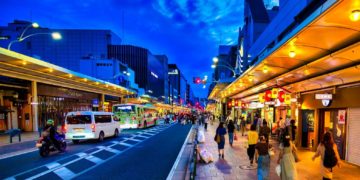
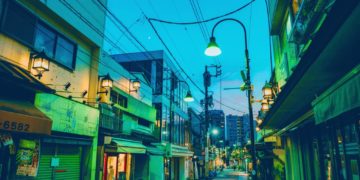

Japan’s nightlife often walks a fine line between entertainment, hospitality, and legally gray zones. Red-light districts are not hidden—they are often part of the urban landscape in major cities—but their true nature can be difficult for foreigners to navigate. Whether you’re curious, cautious, or simply want to understand what you’re seeing, this guide offers a respectful and realistic overview of Japan’s adult entertainment scene.
1. What Are Red-Light Districts in Japan?
Known locally as “akasen” or “fūzoku” areas, red-light districts exist in almost every major city. These neighborhoods are hubs for nightlife—but not all nightlife here involves sex or illegal activity.
Common Locations:
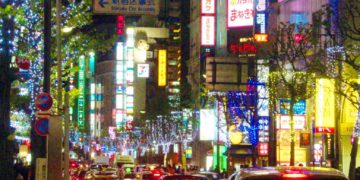
- Kabukicho (Tokyo)
- Susukino (Sapporo)
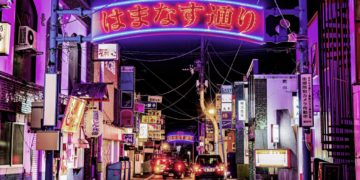
- Nakasu (Fukuoka)
- Sakae (Nagoya)
- Soapland towns in Yoshiwara (Tokyo) and Tobita Shinchi (Osaka)
These districts mix:
- Host and hostess clubs
- Love hotels
- Soaplands
- Pink salons
- Adult shops and theatres
- Snack bars and bars with flirtatious service
2. What’s Legal and What’s Not?
✅ Legal:
- Hosting services (non-sexual entertainment like talking and drinking)
- Adult media (AV, adult bookstores)
- Love hotels (short-stay hotels)
- Sexual services that stop short of intercourse (in certain registered venues)
❌ Illegal:
- Prostitution involving intercourse (technically banned under Japanese law)
- Street solicitation
- Unlicensed establishments
- Human trafficking, coercion, or organized crime activity
📝 Note: Law enforcement often turns a blind eye unless a major incident occurs. But for foreigners, being unaware of the laws is not an excuse.
3. Can Foreigners Enter These Places?
Not always. Many adult-oriented venues explicitly refuse non-Japanese customers.
Reasons include:
- Language barriers
- Legal liability concerns
- Cultural taboos
Signs You’ll See:
- “Japanese only”
- “Members only” (often a front for restrictions)
Some places welcome foreigners, especially in tourist zones or with proper etiquette. Others may change policies depending on appearance or language spoken.
4. The Riskier Side: What to Avoid
🚫 Unregistered or Aggressive Establishments
- Touts might lure you into shady clubs, then overcharge or trap you.
🚫 Fake Massage or “Esthe” Shops
- These often present a professional front but are legally and morally dubious.
🚫 Soaplands Without Proper Licensing
- Some operate under the radar and could be involved in trafficking or coercion.
🚫 Hidden Camera / Voyeurism Risks
- Beware of private shows or hotel setups where your consent isn’t respected.
🚫 Getting Involved in Organized Crime Spaces
- Some clubs have Yakuza affiliations. It’s best to avoid any trouble or contact.
5. How to Safely Explore (If You’re Curious)
- Go with a Japanese friend or guide if possible
- Stick to well-reviewed, legitimate venues
- Don’t go with touts on the street—especially in Kabukicho or Roppongi
- If in doubt, leave
- Always clarify prices upfront—ask about seat charges, drink fees, time limits
6. Red-Light Alternatives That Are Safer and More Cultural
- Host & Hostess Clubs (for fun, non-sexual conversation)
- Maid Cafés (Akihabara)
- Burlesque & Drag Shows (Shinjuku Ni-chome)
- Themed Bars (Vampire café, Ninja bar, etc.)
- Bathhouses & Super Sento (spa-style relaxation)
These venues offer quirky nightlife without legal complications.
7. Cultural Context: Why Is This Tolerated?
Japan’s approach to adult entertainment is complex:
- Prostitution is technically illegal, but loopholes allow many businesses to thrive
- These districts are seen as outlets for stress and expression
- Legal and social enforcement varies by prefecture and political climate
While not “accepted” universally, red-light businesses are deeply ingrained in the economy and culture.
8. If You Get Into Trouble
If you find yourself in a problematic situation:
- Call 110 for police
- Contact your embassy or consulate
- Don’t sign any documents you don’t understand
- Stay calm and avoid confrontation
Police are generally helpful toward foreigners—especially in tourist zones.
Conclusion: Curiosity is Fine—But Know Where the Line Is
Exploring Japan’s red-light districts can be a fascinating cultural insight—or a regrettable misstep. The best experiences come when you go in informed, cautious, and respectful.
Not everything that glows in the night is gold. But with street smarts and cultural sensitivity, you can stay safe while understanding this uniquely Japanese phenomenon.
📎 Learn more about Japan’s nighttime culture at: https://afterdarkjapan.com