
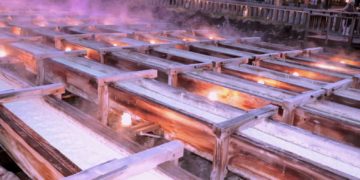




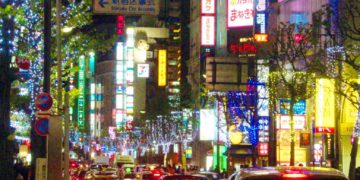



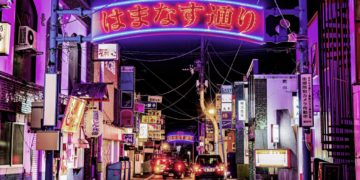


Japan’s onsen culture is not merely a tradition—it’s woven into the national identity. From ancient healing origins to modern-day wellness retreats, onsens offer more than hot water; they offer calm, community, and centuries of cultural depth.
This article begins with foundational insights into what onsens are, how to enjoy them respectfully, and their varied types. Then, we explore five celebrated hot spring destinations—each a pillar of Japanese onsen culture.
1. What Is an Onsen?
An onsen is a hot spring sourced from geothermally heated groundwater. Japan boasts approximately 25,000 hot spring sources and some 3,000 establishments—from public bathhouses to inn-based baths—feeding these natural springs .
Onsen bathing dates back well over a thousand years, with early records describing emperors seeking healing in hot springs—a tradition known as tōji, or therapeutic bathing. Through the Edo period, onsens evolved into social and restorative places for general public use .
Beyond tradition, modern research confirms that minerals and heat improve circulation, ease fatigue, and provide mental relaxation—making onsen bathing a blend of ritual and wellness .
2. Onsen Etiquette: How to Bathe the Right Way
Experiencing onsen culture means embracing centuries-old customs that preserve hygiene and serenity.
Core Dos and Don’ts:
- Disrobe completely before entering. Clothing, swimsuits, and towels are prohibited in the water .
- Wash and rinse thoroughly before entering bath. Washing in the soak pool is taboo .
- Keep quiet and enjoy the tranquil environment. Phones and disruptive noise are discouraged .
- Use modesty towels properly. They’re for transit only—not to touch the water .
- Tie long hair up, and keep it above the water to avoid contamination .
- Tattoos are often prohibited due to social associations, though some places may allow discrete cover-ups .
3. Types of Onsen Baths
Japanese onsen experiences vary widely:
- Indoor and outdoor baths—from hotel-based pools to open-air nature pools .
- Private (family) baths, often reserved in ryokans—ideal for visitors with concerns about nudity or tattoos.
- Steam rooms, sand baths, stone saunas (ganbanyoku), and even foot baths (ashiyu) and sleep baths (neyu) offer therapeutic alternatives .
4. Featured Onsen Destinations
Let’s take a scenic tour of five highly regarded hot springs—their mineral makeup, historical roots, and cultural contexts.
4.1 Atami Onsen (Shizuoka Prefecture)
- Nature of Springs: A coastal resort delivering high-temperature, high-salinity waters with strong heat retention—benefiting neuralgia relief and circulation .
- History: Legend traces Atami’s source to an 8th-century folk tale, cemented by Tokugawa Ieyasu’s 1604 visit. Edo elites and cultural figures followed, spurring its development as a high-status resort .
- Experience: Perched over Sagami Bay, guests enjoy serene seaside views, ryokan hospitality, and occasional fireworks—a romantic coastal onsen with deep legacy .
4.2 Beppu Onsen (Ōita Prefecture)
- Water Profile: One of the world’s largest geothermal systems—Beppu discharges over 130,000 tons of hot spring water daily, second only to Yellowstone .
- Geological Depth: Water arises from volcanic layers, taking ~50 years to surface, with temperatures reaching 250–300 °C below ground .
- Historical Origin: Recorded as early as the 8th century, the city became a medical haven by Edo times. Today, it blends spa tourism with quirky “hells” (jinja attractions) and cultural heritage .
- Standout Feature: Beppu’s sheer variety—from sand baths and mud baths to hillside ryokan—make it a complete onsen metropolis.
4.3 Kusatsu Onsen (Gunma Prefecture)
- Water Character: Water ranges from cloudy to clear, rich in minerals, reputed to relieve everything but lovesickness. German physician Erwin von Bälz promoted its healing fame in the Meiji era .
- Historical Legacy: Legend names Prince Yamato Takeru or high priest Gyoki as discoverers, with Kusatsu attracting samurai and politicians through the centuries. Tokugawa Yoshimune even piped its water to his castle .
- Experience: Known for its iconic Yubatake (hot water field), small communal baths, and self-managed town-run facilities—Kusatsu blends authenticity, history, and therapeutic legend.
4.4 Nasu Onsen (Tochigi Prefecture)
- Water & Terrain: Located in volcanic Nasu, this region fuses mountain air with therapeutic washes—typical for ailment relief and relaxation.
- History & Culture: Though less historically famous, Nasu grew with the development of walled air relaxation resorts among Tokyoites seeking cooler climate. (No direct source snippet found—factual caution.)
4.5 Shirahama Onsen (Wakayama Prefecture)
- Antiquity: Mentioned in Nihon Shoki and Manyōshū, dating back 1,350 years. It served imperial healing needs for centuries .
- Water Features: Coastal, with baths open to the waves. Popular attractions include footbaths and beach-edge coed baths, drawing tourists for day-trip indulgence .
- Conclusion: A historic, beachside onsen delivering seaside tranquility and layered culture, from emperors to modern families.
5. Summary Table
| Onsen | Location | Notable Features | History Highlights |
|---|---|---|---|
| Atami | Shizuoka (coast) | Salty, hot; ocean views, ryokan culture | Edo elite legacy |
| Beppu | Ōita (Kyushu) | Massive geothermal output; varied styles | 8th-century mentions, spa capital |
| Kusatsu | Gunma (mountains) | Mineral-rich, self-managed baths | Sought by samurai and rulers |
| Nasu | Tochigi | Mountain spring retreat | Modern summer resort (less documented) |
| Shirahama | Wakayama (coast) | Ancient seaside baths, footbaths | Used by emperors; coastal relaxation |
6. Final Thoughts: Why Onsen Endure
Japanese onsens endure because they are living rituals—combining history, health, and harmony. Whether clifftop views, volcanic steam, or coastal romance, these five onsen destinations offer healing in immersive environments.