









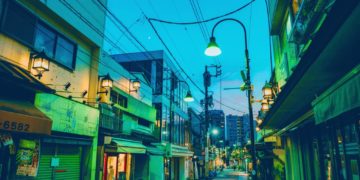

Discovering the underground soul of Tokyo’s most creative district after dark
Introduction: When the Curtain Falls on Shimokita
When the last train pulls away from Shimo-Kitazawa Station and the vintage clothing shops shutter their doors, a different kind of magic begins to unfold in Tokyo’s most bohemian neighborhood. While Shibuya parties and Shinjuku roars, Shimokita—as locals affectionately call it—whispers its secrets through jazz melodies and cigarette smoke that dances in dim amber light.
This isn’t the sanitized, tourist-friendly Tokyo you’ll find in guidebooks. This is where creativity breathes, where musicians gather after midnight gigs, and where the city’s artistic soul reveals itself one note at a time. For those seeking an authentic glimpse into Tokyo’s underground culture, Shimo-Kitazawa after dark offers something increasingly rare: genuine bohemian atmosphere in a rapidly modernizing city.
The Jazz Kissaten Legacy: Where Time Stands Still
Understanding Japan’s Jazz Coffee Culture
Before exploring Shimokita’s night scene, it’s essential to understand the unique institution of jazz kissaten—jazz coffee shops that have been the backbone of Japan’s jazz culture since the 1930s. Unlike regular cafes, these establishments function as temples to sound, where conversation is discouraged and the music reigns supreme.
In Shimo-Kitazawa, several legendary jazz kissaten continue this tradition, transforming into intimate evening venues where serious music lovers gather. The ritual is sacred: enter quietly, order your drink, and surrender to the carefully curated playlist that often spans decades of jazz history.
The Cigarette Culture Connection
What makes Shimokita’s jazz scene particularly unique is its preservation of smoking culture—a rarity in modern Tokyo. Many of the neighborhood’s most authentic jazz venues still permit smoking, creating an atmosphere that transports visitors to a different era. The combination of cigarette smoke and jazz has deep cultural roots in Japan, dating back to post-war American influence and the birth of the country’s jazz obsession.
For non-smokers, this might seem off-putting, but understanding this cultural element is crucial to appreciating the authentic atmosphere these venues maintain. The smoke isn’t just permitted—it’s part of the sensory experience that defines traditional Japanese jazz culture.
After-Hours Architecture: Navigating Shimokita’s Hidden Venues
The Basement Scene
Shimo-Kitazawa’s geography is perfectly suited for its underground culture—literally. Many of the best jazz venues are located in basements, accessible only through narrow staircases that seem to descend into another world. These subterranean spaces, with their low ceilings and intimate lighting, create a cocoon-like atmosphere that amplifies both the music and the sense of discovery.
The basement venues typically open around 7 PM but don’t hit their stride until after 10 PM, when the neighborhood’s theater crowds disperse and the serious music lovers emerge. Expect cover charges ranging from ¥1,000 to ¥3,000, with drinks priced reasonably for Tokyo standards—usually ¥800-1,200 for whisky or beer.
Alleyway Adventures
Beyond the basements, Shimokita’s maze-like alleyways hide tiny bars that blur the line between jazz venue and neighborhood hangout. These micro-establishments, often seating fewer than ten people, rely on word-of-mouth and return customers rather than advertising. The proprietors—usually referred to as “master” or “mama”—often have extensive knowledge of jazz history and impressive vinyl collections.
The Shimokita Sound: Live Music and Vinyl Culture
Midnight Sessions and Spontaneous Performances
What sets Shimo-Kitazawa apart from other Tokyo districts is its tolerance for spontaneous musical expression. While formal live houses require tickets and scheduled performances, many of Shimokita’s jazz venues encourage impromptu sessions. Musicians who finish gigs at larger venues often migrate to Shimokita for after-hours jamming.
These spontaneous performances typically begin around midnight and can continue until the early morning hours. There’s no set schedule—musicians simply show up with their instruments, and magic happens. For visitors, witnessing these unplanned collaborations offers a glimpse into Tokyo’s musical underground that few tourists ever experience.
The Vinyl Ritual
The relationship between jazz and vinyl records in Shimokita goes beyond mere nostalgia. Many venue owners are serious collectors who view their establishments as showcases for rare pressings and audiophile equipment. The ritual of selecting, handling, and playing vinyl records becomes performance art in itself.
Patrons often witness masters carefully cleaning records before play, adjusting turntable settings with precision, and explaining the provenance of particularly rare albums. This reverence for physical media creates an educational experience alongside the musical one, making each visit a lesson in jazz history and sound engineering.
Solo Traveler’s Guide: Embracing Solitude in the City
The Art of Being Alone Together
Shimo-Kitazawa’s jazz scene is perfectly suited for solo travelers seeking meaningful cultural experiences. The neighborhood’s etiquette actually favors individual contemplation over group conversation, making it one of the few places in social Tokyo where being alone feels natural rather than awkward.
Solo visitors should embrace the Japanese concept of hitori-jikan (alone time) that these venues celebrate. Sit at the counter, order slowly, and allow the music to guide your evening. The masters and regular customers often appreciate visitors who demonstrate genuine interest in the music rather than treating venues as mere photo opportunities.
Timing Your Visit
For the optimal solo experience, arrive between 9 PM and 10 PM on weeknights. This timing allows you to claim a good seat before the post-theater crowd arrives and gives you time to observe the venue’s rhythm before it reaches peak atmosphere. Weekends draw larger crowds but also more energy and spontaneous musical moments.
The Masters: Guardians of Shimokita’s Musical Soul
More Than Bartenders
The proprietors of Shimokita’s jazz venues function as curators, historians, and cultural guardians rolled into one. These masters—often middle-aged or elderly individuals who’ve dedicated their lives to jazz—possess encyclopedic knowledge of the music and strong opinions about everything from pressing quality to proper listening etiquette.
Engaging with masters requires patience and genuine interest. They can detect music tourists from genuine enthusiasts within minutes and adjust their level of engagement accordingly. Show respect for their knowledge, ask thoughtful questions about their collection, and demonstrate that you’re listening to the music rather than using it as background noise.
Building Relationships
Regular customers often develop relationships with masters that span decades. As a visitor, you can earn temporary inclusion in this community by demonstrating proper jazz kissaten etiquette: minimal conversation during music, appreciation for the sound system, and respect for the carefully maintained atmosphere.
Many masters speak limited English, but music serves as a universal language. Pointing to albums you recognize, nodding appreciation during impressive solos, and showing interest in their equipment can communicate more effectively than words.
Beyond Jazz: Shimokita’s Diverse Night Music Scene
Blues and Soul Connections
While jazz dominates Shimokita’s musical identity, the neighborhood also nurtures blues, soul, and R&B scenes that share similar aesthetic values. Several venues specialize in African-American musical traditions beyond jazz, creating spaces where vintage soul records command the same reverence as classic Blue Note albums.
These soul and blues venues often attract different crowds—typically younger and more diverse—but maintain the same commitment to sound quality and atmospheric authenticity that defines Shimokita’s musical culture.
Experimental and Avant-Garde
Shimokita’s acceptance of musical exploration extends to experimental and avant-garde sounds. Some venues regularly feature free jazz, noise music, and other challenging genres that mainstream Tokyo music scenes avoid. These experimental spaces often operate on unpredictable schedules, requiring insider knowledge or lucky timing to discover.
Practical Navigation: Making the Most of Your Shimokita Night
Venue Hopping Strategy
Unlike other Tokyo districts where bar hopping involves long walks between establishments, Shimokita’s compact geography allows for intimate venue exploration within a few blocks. A successful evening might include visits to three or four different spaces, each offering distinct musical perspectives and atmospheres.
Plan your route to include a mix of basement jazz kissaten, street-level bars, and perhaps one live venue if performances align with your schedule. Allow at least 45 minutes per venue to properly appreciate the music and atmosphere—rushing between spots defeats the purpose of Shimokita’s contemplative musical culture.
Budget Considerations
A full evening in Shimokita’s jazz scene typically costs ¥5,000-8,000 per person, including cover charges, drinks, and light food. This represents excellent value compared to Tokyo’s mainstream entertainment districts, especially considering the quality of music and intimate atmosphere provided.
Many venues offer set pricing that includes the cover charge and one drink, ranging from ¥2,000-3,500. Additional drinks are reasonably priced, and tipping is neither expected nor accepted—another advantage of Japanese bar culture.
Dress Code and Etiquette
Shimokita’s jazz venues maintain casual dress codes, but visitors should avoid overly touristy attire or anything that suggests they’re treating the experience as entertainment rather than cultural appreciation. Dark clothing helps you blend with the atmospheric lighting and shows respect for the venue’s aesthetic.
The most important etiquette involves sound: keep conversation to whispers or save it for between songs. Mobile phones should be silenced and kept out of sight. Photography is generally discouraged without explicit permission from the master.
The Future of Shimokita’s Jazz Scene
Preservation Challenges
Like many aspects of traditional Japanese culture, Shimokita’s jazz scene faces pressures from gentrification, changing musical tastes, and the aging of venue proprietors. Rising rents threaten to price out the small establishments that give the neighborhood its character, while younger generations often prefer different musical experiences.
However, the neighborhood’s bohemian reputation continues to attract young musicians and creative individuals who appreciate its authentic atmosphere. Some venues have found new life by attracting international visitors who seek cultural experiences beyond mainstream tourism.
Supporting Authentic Culture
Visitors can support Shimokita’s jazz culture by approaching it with genuine interest rather than superficial tourism. Purchase drinks, respect the atmosphere, and demonstrate appreciation for the music and venues. Word-of-mouth recommendations from satisfied visitors help sustain these establishments more effectively than online reviews or social media exposure.
Conclusion: Finding Your Rhythm in Shimokita
Shimo-Kitazawa after dark offers something increasingly rare in modern Tokyo: authentic cultural experience unmarked by commercialization or tourist pandering. The neighborhood’s jazz scene represents a living museum of Japanese musical culture, where visitors can witness traditions that have remained essentially unchanged for decades.
For travelers seeking depth over breadth, Shimokita’s intimate venues provide opportunities for genuine cultural connection through shared appreciation of music. The cigarette smoke might sting your eyes, the basement stairs might test your navigation skills, and the language barrier might challenge your communication abilities—but these minor discomforts pale compared to the rewards of discovering Tokyo’s most authentic bohemian culture.
Whether you’re a serious jazz enthusiast or simply someone who appreciates atmospheric experiences, Shimo-Kitazawa after dark reveals a side of Tokyo that exists far from the neon lights and tourist crowds. Here, in spaces filled with smoke and sound, the city’s creative soul continues to thrive, one note at a time.
The neighborhood doesn’t promise easy entertainment or Instagram-worthy moments. Instead, it offers something more valuable: the chance to experience Tokyo’s underground culture in its most authentic form, where jazz and cigarette smoke create an atmosphere that exists nowhere else in the world.