





Why Go Beyond the Main Street?
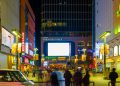
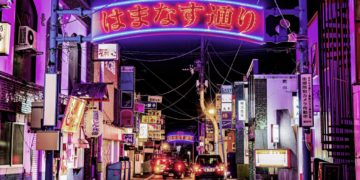
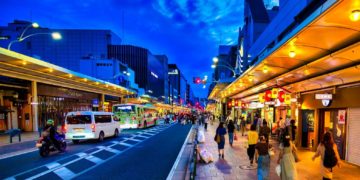
By day, Kawaramachi is Kyoto’s commercial heart: packed with shops, queues of tourists, and the hum of buses along Shijo-dori. At night, it pulses with lantern-lit paths through Pontocho, filled with izakayas and kaiseki courses. But one block away, there’s a silence—a subtle detour into Kyoto’s independent, artistic bar culture.
If you crave something beyond “Kyoto as seen on Instagram,” this is your portal.
The bars we explore in this guide are not on Google Maps, not plastered on travel blogs, and not waving tourists in. They are quiet by design, and stepping into them feels like being invited into someone’s personal world.
The One-Block Rule
The magic of Kyoto is that a single turn can change everything.
On the main street:
- Tour groups shuffle past donburi shops
- Bright lights and souvenir stands abound
- Music from global chains mixes in the air
One block off:
- No music—only footfalls
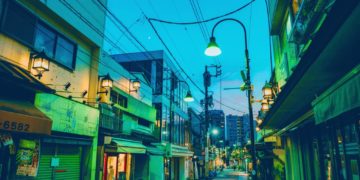
- Machiya facades from the Meiji era
- A lantern, a soft noren curtain, a mystery
This is the Kyoto you didn’t know existed.
What Makes Kyoto’s Indie Bars Different
Indie bars in Kawaramachi are:
- Small (6–12 seats)
- Personal (often one bartender)
- Designed (interiors reflect Kyoto’s aesthetic philosophy)
- Local (clientele are artists, students, off-duty geiko, professors)
Here, drinking is a dialogue, not a performance. You’re not “going out”—you’re stepping in.
Mapping the Hidden Bars of Kawaramachi
The best indie bars cluster in narrow strips:
- Kiyamachi South: Parallel to Kamogawa River, quieter the further south you go
- Backstreets of Pontocho: Especially behind the eastern alleys
- Teramachi Intersection Lanes: Near used bookstores and art supply shops
Many have no signs, just subtle visual cues:
- A hand-painted curtain
- A small lantern shaped like a gourd
- An old film poster in the window
5 Must-Experience Hidden Bars in Kawaramachi
1. Bar Kamera
- Concept: Cinema-themed bar with reel projectors
- Ambiance: Velvet stools, old film screen looping silent classics
- Drinks: “Fellini Negroni,” “Kurosawa Highball”
- Extra: Limited to 8 people per screening night
2. Rokushaku
- Design: Minimalist Machiya with cedar beams and tatami seating
- Drinks: Rotating menu of off-the-grid sake breweries
- Tip: Ask for “shadow pour” (hidden bottle behind the counter)
- Vibe: Monastic but warm
3. Sister Moon
- Backstory: Run by younger sister of a retired maiko
- Music: Soft jazz and old Kyoto folk songs
- Drinks: Umeshu with sea salt rim, elderberry soda spiked with gin
- Why go: Feminine, feminist, and full of soul
4. Philosopher’s Whiskey Room
- Interior: Bookshelves, globe lights, and deep green wallpaper
- Policy: No menu—bartender makes suggestions based on conversation
- Best for: Solo visitors or deep thinkers
- Vibe: Dialogue-driven drinking
5. Kumo no Ue Lounge
- Entrance: Hidden staircase behind a second-hand bookstore
- Interior: Exposed wood, cloud motifs, rooftop view
- Drinks: Sakura-infused tequila, clouded plum gin
- Ambiance: Feels like floating above the old city
Design, Light, and Sound: The Kyoto Indie Bar Aesthetic
Kyoto Lighting Philosophy
Kyoto bars use:
- Candlelight and soft bulbs
- Paper lanterns with calligraphy
- No overhead glare
The result? You don’t just see less—you see deeper.
Acoustic Minimalism
Many Kyoto indie bars:
- Don’t play music at all
- Use ambient jazz or environmental recordings
- Embrace silence as part of the drink
Etiquette for Entering Quiet Kyoto Bars
Soft Speech, Slow Orders
- Enter with a bow, not a loud “hi!”
- Don’t rush your order—pause and observe first
- Thank the bartender as they serve (simple “arigatou” is enough)
Asking About the Space
These bars are personal creations. Ask:
- “Kono ten wa itsu hajimaremashita ka?” (When did this place open?)
- “Kono kabe wa omoshiroi desu ne.” (This wall is interesting.)
- “Sake wa dono chiiki desu ka?” (Where’s this sake from?)
Solo-Friendly and Creative Locals
Conversations Without Performance
Kyoto people are often quiet—but not unfriendly. In indie bars, they:
- Respect solitude
- Engage slowly but sincerely
- Often open up when you care about the space, not just the drink
Regulars as Cultural Guides
You may meet:
- An ikebana teacher
- A calligrapher who drew the menu
- A bartender who moonlights as a poet
They won’t tell you unless you ask—but if you do with respect, they might show you their Kyoto.
FAQs About Hidden Bars in Kyoto
Q1: Are foreigners welcome in indie bars?
A: Yes, if you’re polite, observant, and present. Many bars appreciate thoughtful guests.
Q2: Do these bars have cover charges?
A: Some do (¥300–¥800). It’s a seat charge for quiet, clean, curated space.
Q3: Do I need reservations?
A: Rarely, but going before 9 PM helps. Some places close at midnight.
Q4: Can I use my phone inside?
A: Use it minimally. No calls. No loud videos. Photo etiquette: always ask.
Q5: Can I go alone?
A: Absolutely. Solo guests are the norm in many of these spots.
Final Thoughts: Finding Kyoto’s Spirit After Dark, In Its Shadows
Kyoto’s magic was never in what it shows.
It’s in what it hides.
When you step into a Kawaramachi indie bar, you aren’t just grabbing a drink. You’re joining a quiet rebellion against noise, speed, and spectacle.
You’re drinking in silence. You’re listening in shadows.
And maybe, for a moment, you’re part of the city’s deeper, quieter self.