








The Illusion of Kokusai Dori: Why the Side Streets Matter
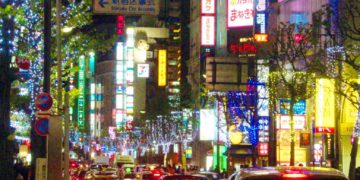
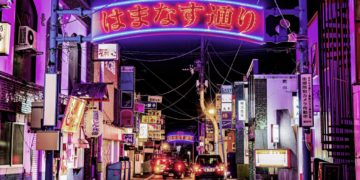
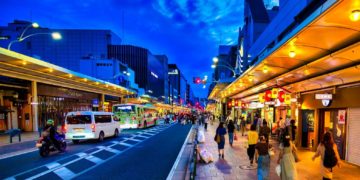
Kokusai Dori is Naha’s main artery—a mile-long stretch of souvenir shops, neon-lit restaurants, and well-rehearsed tourist performances. But for anyone looking to connect with authentic Okinawan nightlife, the real rhythm pulses just a few steps away, in its hidden alleyways and side streets.
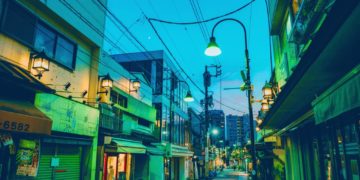
These narrow paths, barely a shoulder wide, house the beating heart of Naha’s night—sanshin music, awamori-fueled conversations, and a curious mix of islanders, expats, and artists. Skip the karaoke chains and convenience store beers. This is where Okinawa’s soul plays after dark.
The Evolution of the Strip
Kokusai Dori rose from postwar rubble, once dubbed “The Miracle Mile” for its rapid post-WWII revival. Originally a hub for American soldiers during the occupation, it morphed into a commercial boulevard that balances between tradition and performance.
While still lively, it’s now more polished than personal. Locals prefer the small counters and vinyl-decked bars tucked behind or parallel to the main street. There, you’ll find Okinawans sipping slowly, not performing for tourists, but simply being.
Okinawan Night Culture: Rhythms, Rituals, and Realness
Nightlife in Naha is slow, rhythmic, and infused with an unspoken understanding: conversation matters more than consumption. The “uchinanchu” spirit—warmth, welcome, and personal rhythm—guides social gatherings.
The Power of Live Music: Sanshin and Shima Uta
The sanshin, a three-stringed Okinawan lute, isn’t just an instrument—it’s a story in every strum. In local bars, it accompanies spontaneous shima uta (island songs), often led by the bar staff or even patrons. The lyrics? Mostly in Okinawan dialects, about family, love, war, and homecoming.
Island Time and No-Rush Drinking
There’s no last call pressure. Guests can spend hours nursing a single glass of awamori, chatting with the owner about the coral reef, mango season, or the best place to surf. No rush, no judgment—just genuine connection.
5 Side-Street Bars Worth Getting Lost For
1. Himeyuri
- Location: Just off Ukishima Dori
- Vibe: Traditional, intimate
- Why go: Every night ends in a sanshin singalong—guests are invited to clap or sing
- Must-try: Homemade umi-budo (sea grapes) with chilled awamori
2. Awamori Shuzo Bar
- Location: Behind the Palette Kumoji complex
- Vibe: Educational and flavorful
- Why go: Offers 5-awamori tasting sets with mini lectures
- Must-try: 10-year aged kusu (aged awamori) from Yonaguni
3. Bar Okinawa Beat
- Location: Alley behind Don Quijote
- Vibe: Surf bar meets jazz lounge
- Why go: Mix of locals, expats, and island musicians
- Must-try: Awamori mojito with local mint
4. Goya No Kura
- Location: Next to the Tsuboya Pottery District
- Vibe: Hidden izakaya, old sake cellar inside
- Why go: Quiet, moody, perfect for deep conversations
- Must-try: Goya champuru (bitter melon stir-fry) with sesame-infused awamori
5. Baku House
- Location: Off Ichiba Hondori’s back exit
- Vibe: Artist-run, retro and raw
- Why go: Reggae meets Ryukyu jazz, rare vinyl nights
- Must-try: Passionfruit awamori cocktail
Drinking Awamori: A Traveler’s Guide
Awamori is more than a drink—it’s a ritual. Distilled from Thai rice and aged in ceramic pots, it’s smoother and earthier than Japanese shochu.
Awamori Types and Etiquette
- Kusu – Aged 3+ years, smooth and aromatic
- Okinawan Citrus Mixes – With shikuwasa or tankan
- Okinawan Oolong Mix – Popular summer version
Order “awamori, mizu-wari” (with water) or “rock de” (on the rocks). Pair with bitter foods like goya or salty snacks.
Bottle Keep Culture, Island Style
Locals often leave a half-full bottle labeled with their name behind the bar. Some places now offer tourist keeps, where you can write your name in katakana and return next trip.
Solo or Not: Navigating the Nightlife as a Foreigner
Breaking the Ice the Okinawan Way
Start simple:
- “Konnichiwa, hitori desu” (Hello, I’m alone)
- Ask about the sanshin: “Sore wa sanshin desu ka?”
- Smile, sip slowly, and show curiosity
Finding Mixed-Crowd Venues
Venues like Okinawa Beat and Awamori Shuzo are designed to welcome a mix of Japanese and international guests. No judgment for bad Japanese. Just effort.
Beyond the Bars: Street Vibes, Late Night Eats & Alley Wandering
Post-Bar Food: Soki Soba and Pork Rice Balls
The real Okinawan “after-bar snack” isn’t ramen—it’s soki soba. This bone-in pork rib noodle soup is warm, restorative, and full of island flavor. Many small stalls near Tsuboya offer bowls until 3 AM.
Another secret? Yaki-onigiri (grilled rice balls) sold from sidewalk stands after midnight—salty, crispy, and addictive.
The Soundtrack of the Streets
Don’t rush home. Walk the alleys. You’ll hear:
- Sanshin riffs echoing off tiled roofs
- Radio shows from open bar doors
- Locals laughing in patios behind noren curtains
- The low hum of a city that never forces you to leave
FAQs About Naha’s Side-Street Nightlife
Q1: Are these bars safe for solo travelers?
A: Absolutely. Okinawa has one of the friendliest reputations in Japan. Most bars are owner-run and protective of their guests.
Q2: Can I join sanshin sessions or are they private?
A: In many places, you’re encouraged to clap or sing along. Ask politely before filming.
Q3: How expensive is a night out?
A: Drinks range from ¥500–¥1,000. Cover charges are rare but may appear in live music spots (~¥500).
Q4: Do I need a reservation?
A: Almost never. Most spots are walk-in. Arrive after 9 PM for the best atmosphere.
Q5: Is English spoken?
A: Somewhat. Gestures and a few Japanese words go a long way. Many expat-frequented bars will have bilingual staff.
Final Thoughts: Trading the Strip for the Soul
Kokusai Dori dazzles, but its backstreets offer intimacy. In these bars, you won’t find Instagrammable cocktails or loud DJs—you’ll find something far rarer: honesty, rhythm, and connection.
If you’re ready to skip the curated tourist strip and dive into the heartbeat of the Okinawan night, the alleyways of Naha are waiting—with a glass of awamori and a song that’s already begun.