







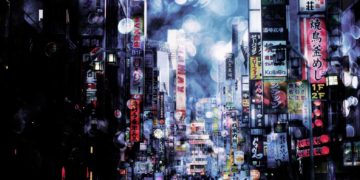
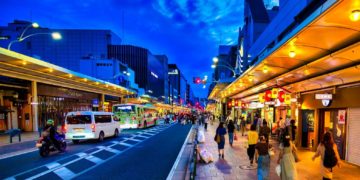
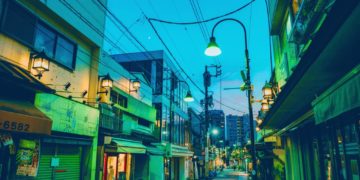


While Tokyo buzzes with neon and speed, Kyoto at night whispers its secrets. The city of temples and traditions transforms into a serene, glowing world after sunset—one where photographers can capture moments of ancient beauty illuminated by soft lanterns, quiet reflections, and moonlit pathways. Whether you’re a seasoned photographer or a traveler seeking an unforgettable night shot, Kyoto offers some of Japan’s most atmospheric photo opportunities after dark.
1. Yasaka Shrine After Sunset
Why It’s Magical: The lantern-lit paths of Yasaka Shrine in Gion glow warmly against the dark sky. This shrine stays open 24/7, offering unrestricted access to nighttime photography.
Photo Tips:
- Use a tripod to capture the dozens of paper lanterns in soft focus.
- Wait for the crowd to pass for a clean shot of the main hall.
Best Time: 7:00–9:00 PM
2. Gion’s Lantern-Lit Streets
Why It’s Classic Kyoto: Stone-paved lanes and preserved wooden teahouses set the scene for timeless street photography. Traditional lanterns outside ochaya (geisha teahouses) offer soft light sources.
Photo Tips:
- Shoot with a fast lens (f/1.4–2.8) due to low light.
- Avoid flash—capture ambient light for authenticity.
Respect: Be discrete and avoid photographing geisha/maiko without permission.
3. Fushimi Inari Shrine’s Pathway at Night
Why It’s Surreal: Most visitors see the 10,000 torii gates by day—but walking the trail at night (open 24 hours) is another experience entirely. It’s quiet, misty, and lined with dim lanterns.
Photo Tips:
- Long exposure helps reveal gate texture and lantern glow.
- Take a flashlight for safety (and creative light painting).
Best Time: After 9:00 PM
4. Kyoto Station Sky Garden
Why It’s Modern Kyoto: Above the futuristic train station is a little-known rooftop garden with city views. The illuminated staircase leading up is a favorite among architecture photographers.
Photo Tips:
- Use symmetry for dramatic compositions.
- Tripods are typically allowed but be unobtrusive.
Bonus: The nearby Kyoto Tower also lights up beautifully.
5. Togetsukyo Bridge in Arashiyama
Why It’s Romantic: This bridge crossing the Katsura River becomes a dreamscape after dark, especially in autumn or cherry blossom season when illumination events occur.
Photo Tips:
- Shoot long exposures to capture the reflection of the bridge and surrounding hills.
- Use a wide lens to frame the full scene.
Best Time: 6:30–8:30 PM
6. Kiyomizu Temple Special Night Illumination
When: Spring and autumn (check dates in advance)
Why It’s Iconic: The temple’s wooden stage glows against the city lights below and cherry blossoms or maple leaves around it.
Photo Tips:
- Buy a ticket for the evening light-up.
- Use a telephoto lens for temple details framed by foliage.
Best Time: Seasonal, entry starts 6PM
7. Philosopher’s Path by Lantern Light
Why It’s Peaceful: This tranquil canal walk becomes even more enchanting during lantern festivals. The still water offers mirror-like reflections of softly lit surroundings.
Photo Tips:
- Go during Hanatouro Festival for maximum effect.
- Use slow shutter speed for water reflections.
8. Pontocho Alley at Night
Why It’s Atmospheric: Narrow, atmospheric alley along the Kamogawa River lined with traditional restaurants. The lanterns and shadows create dramatic compositions.
Photo Tips:
- Perfect for street-style photography with strong contrast.
- Try handheld, fast shutter to capture motion blur.
Warning: Respect private property—don’t shoot inside restaurants.
9. Kamogawa Riverbanks (Sanjo to Shijo Bridge)
Why It’s Relaxing: Locals gather on the riverbanks to chat, play music, or enjoy quiet company. The bridges are lit, and the city skyline glows softly.
Photo Tips:
- Use low angles to include reflections.
- Go with friends to feel safe, especially after 10PM.
10. Ninna-ji Temple Illumination (Seasonal)
Why It’s Overlooked: This World Heritage Site holds evening illumination events that are less crowded but equally breathtaking.
Photo Tips:
- Capture the five-storied pagoda framed by illuminated cherry blossoms.
- Use portrait orientation for vertical drama.
Night Photography Essentials for Kyoto
- Tripods: Allowed in most public spaces, discouraged in narrow alleys.
- Gear: Fast lens (f/1.4), tripod, flashlight, remote shutter.
- Weather: Kyoto’s mist and seasonal changes enhance drama.
- Etiquette: Avoid blocking paths or disturbing locals in residential zones.
Conclusion: The Soul of Kyoto Revealed by Moonlight
Photographing Kyoto at night is not about chasing spectacle—it’s about stillness, grace, and subtle light. In its lanterns, reflections, and temple silhouettes, you’ll discover stories of centuries past made luminous once more.
Let your lens capture what words cannot: the quiet poetry of Kyoto after dark.
📎 Explore more visual journeys at: https://afterdarkjapan.com