





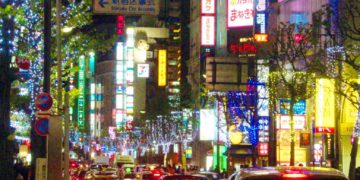



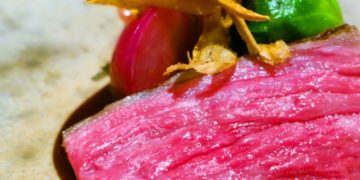
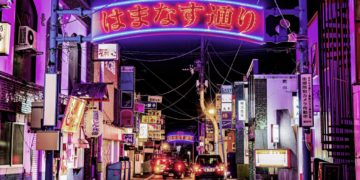

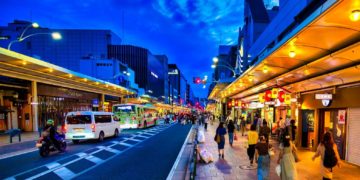
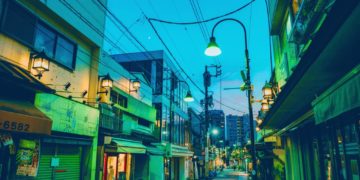

Sushi in Tokyo isn’t just a midday indulgence or a high-end omakase experience—it’s also a deeply comforting, late-night ritual for many locals. Whether you’re stumbling in after a long night of drinks or simply craving something cool and fresh after dark, Tokyo has sushi options that satisfy every taste, style, and budget. From 24-hour conveyor belts to hidden standing counters tucked into train stations, here’s how to enjoy sushi like a Tokyo night owl.
1. Why Sushi After Dark?
In Japan, sushi isn’t confined to fancy restaurants or lunch specials. It’s an anytime food—refreshing, light, and surprisingly affordable in casual spots. At night, especially in cities like Tokyo, sushi offers:
- A lighter alternative to ramen or fried izakaya food
- A “clean” meal to end a night of drinking
- Comfort food after work or nightlife
- Cultural accessibility (perfect for tourists and locals alike)
Tokyo’s diverse food culture means you can find sushi available well into the early hours—sometimes even 24/7.
2. Conveyor Belt Sushi: Fun, Fast, and Affordable
Kaiten-zushi, or conveyor belt sushi, is the go-to for many night diners. Here’s where to go:
Sushiro (Various locations)
- One of Japan’s most popular chains
- Many shops open until midnight
- Tablet ordering + fresh rotations
- Prices: ¥120–¥180 per plate
Kura Sushi (Ueno, Ikebukuro, Shibuya)
- Open until 11PM or later
- Has a “gacha” reward system—every 5 plates entered gives you a chance to win a toy
- Uses fresh, quality ingredients despite low prices
Genki Sushi (Shibuya)
- Tablet-based ordering, fast delivery system
- Open until late (some branches past midnight)
- Popular with tourists
These chains are perfect for solo travelers, budget eaters, or anyone craving variety without formality.
3. Standing Sushi Counters: Quick, Traditional, Local
Tachigui sushi (standing sushi) counters are part of Tokyo’s working-class food culture. They’re ideal for a quick bite before catching the last train or between bars.
Uogashi Nihon-Ichi (Shinjuku, Yurakucho, Shinbashi)
- Open late (most until 11:00 PM)
- Fresh fish, minimalist style
- Customers stand, eat, and leave—no frills
- Plates start around ¥130
Edokko Sushi (Akihabara)
- Small, intimate vibe
- Perfect for solo diners or couples
- Often run by older sushi chefs with decades of experience
Expect to interact a little more than in chain stores—chefs will often ask if you want wasabi or how many pieces.
4. Hidden Sushi Gems Open Late
Beyond the chains and counters are some truly special late-night sushi spots that offer a more unique Tokyo experience.
Sushi Katsura (Tsukiji Outer Market)
- While the inner market moved, outer stalls still thrive
- Sushi Katsura is open from early morning until 11PM
- High quality nigiri at mid-range prices
Sushi Maru (Kichijoji)
- Counter-only, open till 2AM
- Cozy and known to locals, not tourists
- Emphasizes seasonal fish and hand-crafted rice
Sushizanmai (Multiple Locations)
- Open 24/7 at key spots like Shinjuku, Tsukiji, Ueno
- Famous for generous cuts of tuna and theatrical signage
- Not the cheapest, but reliable quality
5. Late-Night Sushi Etiquette
Even casual sushi spots follow a few cultural rules. Here are tips to avoid being “that tourist”:
- Don’t drown your sushi in soy sauce
- Don’t rub chopsticks together (it implies they’re cheap)
- Eat in one bite when possible
- Use the counter wipes to clean hands before eating
- Say “Gochisousama deshita” after your meal (thank you for the meal)
At standing counters, don’t linger. Eat, enjoy, and move along—it’s part of the charm.
6. Pairings and Alternatives
What to drink or add on to your sushi late at night:
- Green tea (Agari): Many shops offer it for free
- Sake: Dry types pair well with fatty tuna
- Miso soup: Classic side, often with clams or seaweed
- Tamago (sweet egg): A favorite for ending the meal
Vegetarian? Look for:
- Cucumber rolls (kappa-maki)
- Pickled plum rolls (ume-shiso)
- Tamago nigiri
7. When to Go for the Best Experience
- 9PM–11PM: Ideal time for a peaceful visit without crowds
- Post-last-train (after 12AM): Quieter but more limited choices
- Weeknights: Less crowded than weekends
- Rainy nights: Surprisingly relaxing, especially with steamed windows and quiet ambiance
8. A Sample Late-Night Sushi Itinerary in Tokyo
| Time | Activity |
|---|---|
| 8:30 PM | Finish drinks or dinner nearby |
| 9:00 PM | Walk to a standing sushi bar like Uogashi |
| 9:30 PM | Try seasonal nigiri + miso soup |
| 10:00 PM | Head to Sushizanmai for second round + sake |
| 11:00 PM | Take a riverwalk or chill at a nearby café |
9. Why Late-Night Sushi Feels Different
There’s something meditative about late-night sushi in Tokyo. The world is quieter, your senses are sharper, and every bite carries a kind of intimacy. You’re not in a rush. The chef is focused. The city hums outside—but inside the counter, it’s just you, the rice, and the sea.
In a city that never sleeps, sushi becomes more than food. It becomes a ritual.
Conclusion: Find Your Favorite Counter After Dark
Whether you’re a first-timer or a frequent flyer to Japan, experiencing sushi after hours in Tokyo reveals a deeper, more personal layer of the city’s food culture. From busy conveyor belts to quiet hidden gems, there’s a seat (or spot to stand) waiting for you.
Just follow the glow of the neon, the scent of vinegar rice, and the clatter of chopsticks—and let Tokyo feed you.
📎 Read more at: https://afterdarkjapan.com