










Exploring the radical design philosophy and cultural meaning of Japan’s love hotels—where architecture meets fantasy in ways that challenge Western assumptions about space, privacy, and human desire
Beyond the Surface: Understanding Japan’s Architectural Outliers
Driving through Japan’s urban and suburban landscapes, foreign visitors inevitably encounter buildings that defy architectural convention—structures shaped like castles, spaceships, and fairy-tale cottages that seem to exist outside normal commercial logic. These are love hotels, Japan’s most misunderstood architectural phenomenon, representing a unique fusion of commercial pragmatism, cultural expression, and design audacity that has no parallel anywhere else in the world.
While Western observers often dismiss these buildings as kitsch or commercial vulgarity, they represent something far more sophisticated: a distinct architectural philosophy that prioritizes experiential design over aesthetic conformity, temporary fantasy over permanent respectability, and emotional engagement over rational function. Understanding love hotel architecture requires moving beyond surface judgments to explore how these buildings reflect deeper Japanese attitudes toward privacy, escapism, and the relationship between built environment and human psychology.
Recent documentation by French photographer François Prost in his comprehensive survey “Love Hotel” reveals the extraordinary diversity and creative ambition underlying these seemingly bizarre structures. From UFO-shaped buildings in Chiba to medieval castles in Osaka, love hotels represent one of Japan’s most uninhibited expressions of architectural imagination—buildings designed not to impress critics or win awards, but to create immediate emotional impact and transport visitors into alternative realities.
The Philosophy of Escapist Architecture
Temporary Architecture for Temporary Experiences
Love hotel design operates on fundamentally different principles than conventional architecture. While traditional buildings are designed for permanence, community integration, and social visibility, love hotels are specifically conceived as escape mechanisms—temporary retreats from social observation and conventional reality. This philosophical difference creates architectural approaches that prioritize psychological transformation over physical durability.
The dramatic exterior designs serve multiple practical and psychological functions. The fantasy facades signal clearly that these spaces exist outside normal social rules, creating psychological permission for behaviors that might be inhibited in conventional settings. The elaborate themes—from ancient castles to futuristic spaceships—provide instant mental transportation that helps visitors psychologically separate from their everyday identities and social roles.
This approach to design reflects broader Japanese cultural values around the separation between public and private behavior, the importance of clearly defined social spaces, and the recognition that human psychological needs sometimes require architectural environments that conventional society cannot provide.
Architecture as Theater: The Performance of Fantasy
Love hotel architecture functions essentially as theatrical set design scaled to building size. Each structure creates a complete environment designed to support specific emotional and psychological experiences. Unlike conventional hotels that aim for neutral comfort, love hotels actively shape user experience through comprehensive environmental design.
The process begins with exterior architecture that serves as both advertisement and psychological preparation. The UFO-shaped Hotel UFO in Chiba, documented in Prost’s photography, doesn’t just house hotel rooms—it creates immediate sense of otherworldliness that begins affecting visitor psychology before they enter the building. The spaceship form suggests adventure, technology, and escape from terrestrial concerns, priming guests for experiences that transcend ordinary hotel stays.
Castle-themed love hotels employ similar psychological strategies, using medieval architecture to evoke narratives of romance, nobility, and historical fantasy. The elaborate facades—complete with towers, battlements, and period details—create immersive environments where contemporary couples can temporarily inhabit romantic historical narratives.
Regional Variations and Cultural Reflection
Tokyo’s Urban Efficiency vs. Suburban Extravagance
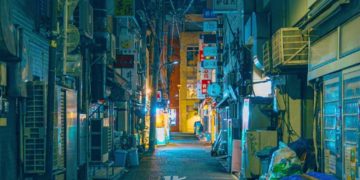
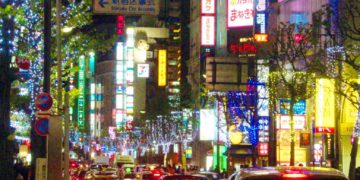
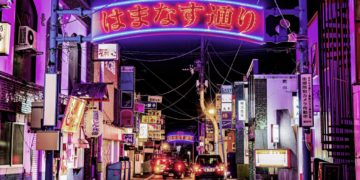
Love hotel architecture varies significantly between urban and suburban contexts, reflecting different cultural pressures and economic constraints. Tokyo’s dense urban love hotels tend toward more subdued exterior design, often relying on sophisticated lighting, minimalist facades, and discrete signage to signal their purpose while maintaining neighborhood compatibility.
The architectural restraint in central Tokyo reflects both zoning restrictions and urban land values that make elaborate exterior construction economically prohibitive. Instead, these venues invest in interior design sophistication—advanced room technology, luxury materials, and elaborate themed suites that provide fantasy experiences within conventional building shells.
Suburban and highway love hotels, by contrast, face different economic and social pressures that encourage architectural spectacle. With larger lots, fewer neighbors, and the need to attract attention from passing traffic, these venues embrace the fantastic architecture that has become internationally associated with love hotel design.
Regional Cultural Expression Through Architecture
Different regions of Japan express distinct cultural characteristics through love hotel architecture. Osaka’s love hotels often incorporate more playful, theatrical elements reflecting the region’s reputation for commercial humor and entertainment innovation. The abundance of cartoon-like facades and humorous architectural references mirrors Osaka’s broader cultural approach to commerce and entertainment.
Northern Japan’s love hotels frequently incorporate elements referencing European architecture—Alpine chalets, Nordic castles, and Germanic fairy-tale structures—reflecting regional cultural associations with Western romance and exotic travel. These designs serve dual functions: providing escapist fantasy while expressing regional cultural sophistication and international awareness.
Okinawa’s love hotels often blend tropical resort aesthetics with traditional Japanese elements, creating unique architectural fusions that reflect the prefecture’s distinct cultural position between mainland Japan and Southeast Asian influences.
Economic Pressures and Design Innovation
The competitive nature of the love hotel industry drives continuous architectural innovation as venues seek distinctive identities in crowded markets. This economic pressure has produced remarkable creative solutions to common design challenges: sound isolation, privacy protection, efficient space utilization, and memorable brand identity.
Many love hotels pioneered architectural technologies later adopted by mainstream hospitality: automated check-in systems, advanced sound dampening, innovative lighting design, and flexible room configurations. The industry’s focus on user experience and operational efficiency has made love hotels testing grounds for architectural innovations that eventually influence broader building design practices.
The Semiotics of Love Hotel Design
Visual Communication and Cultural Codes
Love hotel architecture operates through sophisticated visual communication systems that instantly convey function, quality level, and target demographic without explicit signage. The building facades function as architectural advertisements, using form, color, and cultural references to communicate complex messages about the experiences available inside.
Castle-themed hotels signal luxury, romance, and historical fantasy, typically targeting couples seeking elaborate romantic experiences. The architectural investment in turrets, stonework details, and medieval references suggests higher-end services and more sophisticated interior design. These venues often feature elaborate themed suites, luxury amenities, and higher pricing reflecting the architectural investment.
Science fiction-themed hotels—spaceships, UFOs, futuristic pods—target younger demographics interested in novelty, technology, and alternative experiences. The architectural emphasis on metallic surfaces, LED lighting, and geometric forms suggests high-tech amenities, innovative room features, and contemporary design approaches.
Traditional Japanese architectural references—temples, shrines, historical buildings—serve more complex communication functions, suggesting cultural sophistication while providing escapist environments that remain culturally familiar. These designs often appeal to older demographics seeking luxury experiences within recognizable cultural frameworks.
Fantasy Architecture and Psychological Function
The extreme architectural themes serve specific psychological functions that extend beyond simple aesthetic choice. The dramatic visual departure from conventional building design creates psychological permission for behaviors and experiences that might be inhibited in more conventional settings.
The castle facade doesn’t just reference medieval romance—it actively creates psychological space where visitors can temporarily inhabit romantic narratives and social roles different from their everyday identities. The architectural environment supports psychological transformation by providing visual cues that conventional social rules and behavioral expectations are temporarily suspended.
Similarly, spaceship architecture doesn’t merely suggest technological sophistication—it creates environments where visitors can temporarily escape terrestrial concerns and social constraints. The science fiction references provide psychological framework for experimental behavior and alternative relationship dynamics.
Cultural Reflection and Social Commentary
Love hotel architecture often incorporates elements that reflect broader Japanese cultural anxieties, aspirations, and social changes. The prevalence of Western architectural references—European castles, American motels, tropical resorts—suggests cultural fascination with foreign cultures and escapist travel that economic constraints might make difficult.
The architectural emphasis on privacy, luxury, and technological sophistication reflects social pressures around urban living conditions, multigenerational housing arrangements, and limited personal space that characterize contemporary Japanese society. Love hotels provide architectural solutions to social problems that conventional housing and urban planning cannot adequately address.
The continuous evolution of love hotel themes—from historical references to pop culture elements to technological innovations—provides ongoing commentary on changing Japanese cultural values, entertainment preferences, and social concerns.
Design Technology and Innovation
Architectural Solutions to Privacy Challenges
Love hotel architecture has pioneered numerous technological and design solutions to privacy challenges that have influenced broader architectural practice. The industry’s focus on discrete entry, sound isolation, and visual privacy has produced innovative approaches to building design that protect user anonymity while maintaining operational efficiency.
Advanced entry systems—garage-style private entrances, automated check-in procedures, and discrete payment systems—represent sophisticated architectural integration of technology and human psychology. These systems protect user privacy while streamlining operational efficiency, creating building designs that serve social functions through technological innovation.
Sound isolation technologies developed for love hotels—advanced wall construction, specialized building materials, and acoustic design principles—have influenced construction practices in urban housing, office buildings, and entertainment venues. The industry’s expertise in creating private acoustic environments within dense urban contexts has proven valuable for numerous building types.
Interior Architecture and Spatial Innovation
Love hotel interior design represents some of Japan’s most innovative approaches to small-space optimization and multi-functional room design. The typical love hotel room must function as bedroom, bathroom, entertainment space, and psychological retreat within extremely compact footprints, requiring creative spatial solutions and advanced building technology.
Rotating beds, retractable ceilings, hidden storage systems, and transformable furniture represent architectural innovations developed specifically for love hotel applications but applicable to broader housing challenges. The industry’s expertise in creating psychologically satisfying spaces within minimal square footage has influenced apartment design, capsule hotels, and other space-constrained building types.
Advanced bathroom design—including elaborate bathing facilities, mood lighting systems, and luxury amenities—reflects the industry’s understanding that environmental design significantly influences user experience and emotional satisfaction. These innovations have influenced spa design, luxury residential bathrooms, and hospitality architecture.
Technological Integration and User Experience
Love hotels pioneered numerous technologies for enhancing user experience and operational efficiency that have become standard in other hospitality sectors. Room selection systems, automated billing, advanced climate control, and entertainment technology integration all developed initially to serve love hotel operational needs.
The architectural integration of entertainment technology—karaoke systems, advanced lighting controls, multimedia equipment—requires sophisticated electrical and acoustic design that influences broader building practices. The industry’s expertise in creating technologically sophisticated environments while maintaining architectural integrity has proven valuable for numerous building types.
Cultural Context and Social Function
Understanding Japanese Privacy Culture
Love hotel architecture reflects deeper Japanese cultural values around privacy, social discretion, and the separation between public and private behavior. The elaborate architectural disguises—fantasy facades that camouflage the buildings’ actual functions—serve important social purposes by allowing users to access services while maintaining face-saving psychological distance.
The architectural emphasis on private entrances, discrete signage, and anonymous operation reflects cultural understanding that certain human needs require social protection through environmental design. Love hotels provide architectural solutions to social constraints that enable private behavior while protecting public reputation.
This cultural approach to privacy through architecture influences broader Japanese building design practices, urban planning principles, and social space organization. The love hotel industry’s sophisticated understanding of privacy protection through environmental design has contributed to architectural approaches that serve various social functions requiring discretion.
Economic Function and Urban Planning
Love hotels serve important economic functions in Japanese urban planning by providing affordable accommodation options, flexible meeting spaces, and entertainment venues that supplement traditional hotel capacity. The architectural concentration of love hotels in specific urban districts creates entertainment zones that serve multiple social and economic functions.
The distinctive architecture serves urban planning functions by clearly demarcating entertainment districts, providing visual landmarks for navigation, and creating neighborhood character that supports commercial clustering. The architectural variety and creative expression contribute to urban visual diversity and cultural tourism attraction.
The industry’s economic impact—estimated at over 5,000 establishments nationwide—requires understanding love hotels as significant components of Japanese urban architecture rather than marginal cultural curiosities. Their architectural influence extends throughout the hospitality industry and urban design practices.
International Perspective and Cultural Export
Growing international interest in love hotel architecture reflects broader cultural fascination with Japanese design innovation, alternative architectural approaches, and solutions to urban living challenges. Foreign architects and urban planners increasingly study love hotel design for insights into privacy protection, small-space optimization, and user experience enhancement.
The architectural documentation by photographers like François Prost and researchers like Sarah Chaplin has brought international attention to love hotel design as legitimate architectural expression worthy of serious study. This scholarly attention has elevated love hotel architecture from cultural curiosity to recognized design innovation.
International design firms now incorporate love hotel innovations—privacy technology, space optimization techniques, and experience-focused design principles—into projects worldwide. The industry’s architectural contributions are increasingly recognized as valuable solutions to urban planning challenges and human spatial needs.
Practical Guide for Foreign Observers
Architectural Tourism and Cultural Sensitivity
Foreign visitors interested in love hotel architecture should approach these buildings with cultural sensitivity and understanding of their social function. While the buildings serve as interesting architectural specimens, they primarily function as private businesses serving local communities rather than tourist attractions.
Observing love hotel architecture responsibly involves:
- Respectful exterior photography that doesn’t intrude on user privacy or building operations
- Cultural context understanding that recognizes these buildings serve important social functions beyond architectural curiosity
- Historical perspective that views love hotel design as evolution of Japanese architectural tradition rather than aberrant commercial expression
Regional Architectural Variations
Different regions offer distinct love hotel architectural experiences:
Tokyo Metropolitan Area: More subdued exteriors with sophisticated interior design, reflecting urban density and zoning constraints. Focus on technological innovation and luxury materials rather than elaborate facades.
Osaka and Kansai Region: More theatrical and playful architectural expression, including cartoon-like facades and humorous design elements. Greater architectural variety and experimental approaches.
Highway and Suburban Areas: Most elaborate fantasy architecture, including the UFO, castle, and ship designs that have become internationally famous. Greatest architectural freedom and creative expression.
Understanding Design Context
Appreciating love hotel architecture requires understanding the social and economic contexts that shape design decisions:
Privacy Requirements: Architectural features that seem unusual often serve sophisticated privacy protection functions essential to the buildings’ social role.
Economic Pressures: The competitive nature of the industry drives architectural innovation and distinctive design approaches that distinguish individual venues.
Cultural Function: The buildings serve important social needs that conventional architecture cannot adequately address, requiring specialized design approaches.
Conclusion: Architecture as Cultural Expression
Love hotel architecture represents one of Japan’s most uninhibited expressions of design creativity and cultural values, creating buildings that prioritize human experience over architectural convention and emotional engagement over aesthetic conformity. These structures challenge Western assumptions about appropriate architectural expression while demonstrating sophisticated understanding of the relationship between built environment and human psychology.
The elaborate facades and fantasy themes reflect not architectural frivolity but serious design philosophy that recognizes architecture’s power to transform human experience and create spaces for behaviors that conventional society cannot accommodate. The industry’s innovations in privacy protection, space optimization, and user experience enhancement have influenced broader architectural practice while serving essential social functions.
For foreign observers, love hotel architecture offers insights into Japanese cultural values, design innovation, and alternative approaches to architectural expression that prioritize human needs over conventional aesthetic standards. These buildings demonstrate how architecture can serve social functions through creative design approaches that embrace rather than suppress human desires and psychological needs.
The ongoing evolution of love hotel design—from historical references to technological integration to environmental sophistication—reflects broader changes in Japanese society while maintaining essential functions that conventional architecture cannot serve. Understanding these buildings requires moving beyond surface judgments to appreciate their sophisticated design philosophy and important cultural role.
As Japan continues internationalizing and urbanizing, love hotel architecture may become increasingly important as model for creating private spaces within dense urban environments, protecting human dignity through environmental design, and providing architectural solutions to social constraints that limit human expression and relationship development.
The true significance of love hotel architecture lies not in its surface strangeness but in its demonstration that buildings can serve human psychological and social needs through creative design approaches that conventional architecture often ignores or suppresses. These structures represent architecture as cultural expression in its purest form—buildings designed to serve human desires rather than architectural orthodoxy, creating spaces that enable rather than constrain human experience.