










Introduction: The Elegance of Simplicity
Grilled fish is one of the cornerstones of traditional Japanese cuisine. While sushi and ramen often steal the spotlight, a perfectly grilled fish—crispy skin, tender flesh, and served with simple garnishes—offers a quiet yet powerful culinary experience.
For visitors to Japan, understanding grilled fish (yakizakana, 焼き魚) is not only about taste, but also about culture, seasonality, and technique. This article introduces the most common types of grilled fish, their unique characteristics, how to enjoy them like a local, and the deeper cultural context that elevates this humble dish into a beloved national staple.
Why Grilled Fish Matters in Japanese Cuisine
In Japanese cooking, less is more. Grilled fish exemplifies this philosophy: seasonal seafood is lightly salted and cooked over open flame or charcoal, allowing the natural flavors to shine. Often served at breakfast in traditional inns (ryokan), school lunches, or as part of a teishoku (set meal), yakizakana is comforting, nutritious, and deeply tied to everyday Japanese life.
The practice of grilling fish is steeped in tradition. From family kitchens to izakayas and temple cuisine, grilled fish represents the balance of flavor, texture, and visual appeal that defines washoku (traditional Japanese cuisine), which was recognized as an Intangible Cultural Heritage by UNESCO in 2013.
Yakizakana is not just a dish—it’s a culinary philosophy: simple ingredients treated with great respect, attention to seasonal availability, and a mindful dining experience.
Common Types of Grilled Fish in Japan
1. Sanma (Pacific Saury)
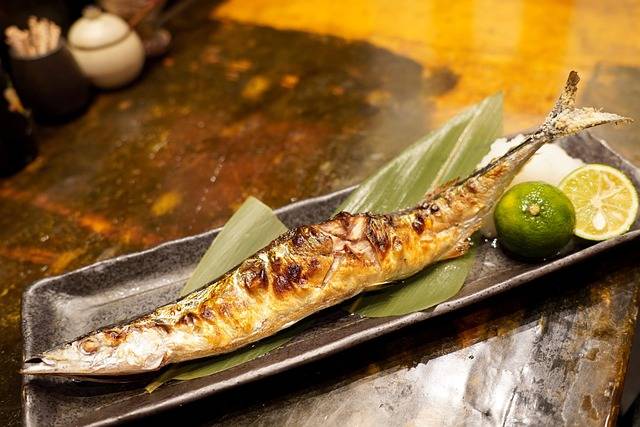
- Season: Autumn
- Taste: Rich and oily, with a bold umami flavor.
- Details: Typically served whole with head and tail, grilled over open flame. Often paired with grated daikon and soy sauce.
- Pro Tip: Be careful of fine bones—eaten with chopsticks from the side.
- Cultural Insight: Sanma is so tied to autumn in Japan that there are festivals held in its honor, like the Meguro Sanma Festival in Tokyo.
2. Saba (Mackerel)
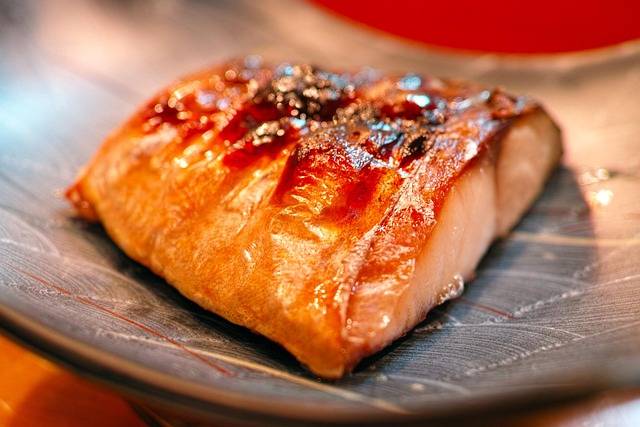
- Season: Year-round, especially good in winter.
- Taste: Fatty and salty. Often preserved as shioyaki (salt-grilled).
- Details: Cut into fillets for easier eating.
- Perfect Pairing: White rice, miso soup, and pickled vegetables.
- Health Note: Rich in omega-3 fatty acids, saba is both flavorful and heart-healthy.
3. Ayu (Sweetfish)

- Season: Summer
- Taste: Light, slightly sweet, with delicate aroma.
- Details: Often skewered and grilled whole over charcoal. Decorative presentation with a curved, lifelike shape.
- Cultural Note: A prized summer delicacy, ayu fishing is often practiced using trained cormorants (ukai), a centuries-old tradition.
4. Hokke (Atka Mackerel)
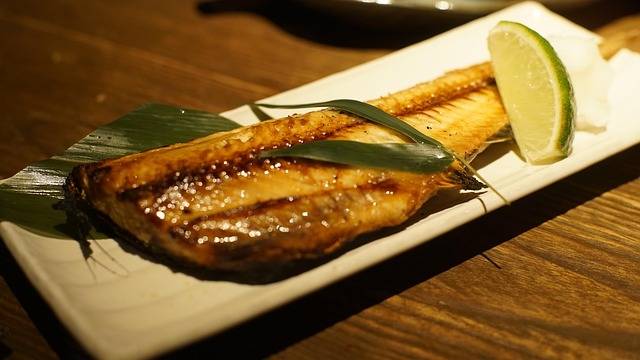
- Season: Winter
- Taste: Mild and savory, often split open and semi-dried before grilling.
- Details: Large, flat fillets, usually served with lemon and soy sauce.
- Portion: Easily shareable due to size.
- Where to Eat: Popular in Hokkaido and Northern Japan; best enjoyed at local izakayas or breakfast buffets.
5. Salmon (Sake/Shake)

- Season: Year-round
- Taste: Familiar, tender, slightly oily.
- Details: Grilled as thick fillets, often salted or marinated in miso.
- Great for Beginners: Easy to eat and bone structure is simple to navigate.
- Varieties: Try it in its miso-zuke (miso-marinated) version for a deeper umami flavor.
6. Kinki (Channel Rockfish)

- Season: Winter
- Taste: Delicate, fatty, high-end flavor.
- Details: Expensive fish, usually served at upscale restaurants. Skin is edible and prized.
- Luxury Status: Known as a “celebration fish” due to its rarity and cost.
How to Eat Grilled Fish in Japan
Step-by-Step Guide:
- Observe the Layout: The fish is usually served with the head on the left and tail on the right. The skin side faces up.
- Remove the Top Fillet:
- Use chopsticks to gently peel the skin and separate the top layer of meat.
- Place bones to the side (on a designated plate or napkin).
- Avoid scattering bones or leaving meat attached—precision is appreciated.
- Eat with Accompaniments:
- Grated Daikon (Daikon Oroshi): Add soy sauce and place small amounts on each bite. It cuts through the oiliness.
- Lemon or Sudachi: A light squeeze enhances freshness, especially for oily fish like sanma or saba.
- Rice and Miso Soup: Alternating bites balances flavors.
- Flip or Not?:
- In formal settings, do not flip the fish. Instead, pull the spine and eat the bottom fillet from the same side.
- In casual homes or eateries, flipping is generally acceptable.
- Mind the Bones:
- Japanese fish are often served bone-in. Eat slowly and use chopsticks skillfully.
- Some varieties, like hokke or miso salmon, are easier due to filleting.
- Skin and Head:
- Crispy skin is often savored last. Some locals also eat the cheek meat (called kama), which is tender and prized.
- The head is not eaten but respected as part of presentation.
Cultural Notes and Etiquette
- Seasonality Matters: Fish are chosen to align with seasonal flavors. For example, sanma in autumn is a symbol of the harvest.
- Simplicity as Virtue: Minimal seasoning and garnishes highlight the fish’s freshness and natural oils.
- Presentation is Key: Even grilled fish is plated with elegance—position, orientation, and garnishes all follow culinary tradition.
- Silence is Golden: Eating grilled fish is often a quiet, contemplative experience.
- Don’t Waste the Skin: Especially if crispy. It’s considered a delicacy.
- Head and Tail: In traditional settings, the head always faces the left, symbolizing progress and good fortune.
Where to Try It
- Ryokan Breakfasts: Often includes a grilled fish centerpiece, alongside rice, soup, and pickles.
- Izakaya: Offers a variety of grilled fish dishes, sometimes grilled to order with sake pairings.
- Set Meal Restaurants (Teishoku-ya): Affordable and authentic, often with saba, hokke, or miso-zuke salmon.
- Fish Markets (e.g., Tsukiji, Kuromon, Omicho): Some stalls grill fish fresh on the spot—great for quick tastings.
- Department Store Food Halls (Depachika): Pre-grilled, high-quality fish are sold for home consumption.
Regional Variations and Special Preparations
- Kyoto’s Kasuzuke: Fish marinated in sake lees (sake kasu), giving it a rich, slightly sweet umami profile.
- Tohoku’s Ichiyaboshi: Semi-dried overnight fish, concentrating flavors before grilling.
- Kagawa’s Iriko (dried sardines): Sometimes grilled lightly for snacks or breakfast.
- Okinawa’s Gurukun: Deep-fried or grilled whole, a tropical addition to the fish table.
Conclusion: A Deeply Japanese Meal
Grilled fish in Japan may look simple, but it embodies craftsmanship, seasonality, and cultural heritage. From rich sanma in autumn to delicate ayu in summer, each fish offers a different story—and flavor.
By learning how to eat grilled fish properly and appreciating its subtleties, travelers can unlock one of Japan’s most authentic dining pleasures. Don’t rush it. Eat with care, and let each bite bring you closer to the heart of Japanese home cooking.
Yakizakana is more than food—it’s an invitation to slow down, savor the moment, and embrace the refined beauty of everyday Japanese life.