

Introduction: Where the Night Steams
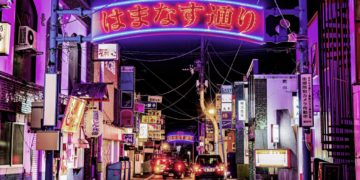
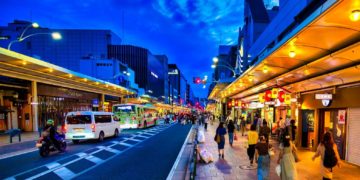
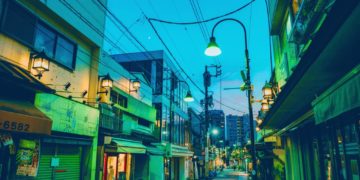
When the neon fades and Tokyo’s bars quiet down, another scene awakens: glowing steam, whispered tranquility, and the promise of deep relaxation. Welcome to Japan’s midnight onsen and sento culture—a nocturnal realm where night owls chase the legendary “ととのい” (totonoi), a blissful state of mental clarity post-sauna, long after the city sleeps.
From retro-hole-in-the-wall baths to luxe, 24-hour spa complexes, these venues honor centuries of Japanese bath tradition while embracing modern wellness trends. The benefits are many—enhanced sleep, muscle recovery, and quiet meditation under moonlight. Grab your towel: we’re diving into the best spots and secrets of Japan’s after-dark bath havens.
1. What Is Midnight Onsen Culture in Japan?
1.1 The “Totonoi” Boom and Nighttime Wellness
“Totonoi” refers to that jaw-dropping clarity after a hot-cold sauna cycle, a process cherished by wellness seekers. Over the past decade, saunas have exploded across Japan. They’ve evolved from macho pursuits to inclusive wellness hubs. And at night, this ritual becomes transformative—when the modern seeker’s body aches with urban fatigue, the sauna resets sleep and spirit.
1.2 Cultural Roots of Night Bathing
Bathing at night is not just practical—it’s traditional. In Edo-era Japan, communal sento welcomed workers after midnight. Seasonal and lunar festivals included onsens under moonlight. The midnight onsen aligns with a rhythm older than the city: steam, quiet, and ritual under the stars.
2. Types of Late-Night Bathhouses
2.1 Sento (銭湯)
These neighborhood baths are nostalgic and local—often open till 25:00 (1 AM). Mildly hot pools, range of jets, and sometimes a sauna. Low cost (~¥460), with that warm communal energy.
2.2 Super Sento (スーパー銭湯)
Large-scale wellness complexes with saunas, open-air baths, restaurants, and aesthetic lobbies. Though many close around midnight, a few go 24 hours. They promise amenities often missing from smaller sento.
2.3 Sauna Centers (サウナセンター)
Pure sauna-focused facilities with strict hot-cold cycles, cool-down rooms, and beginner-friendly spaces. Great for seekers wanting the full totonoi experience—often open late.
3. Top 24-Hour or Late-Night Bathhouses in Tokyo
3.1 Thermae-Yu (Shinjuku)
- Style: Luxury spa complex with Korean-style sauna, thermal lilos, and attention to aesthetics
- Open: 24/7
- Highlight: Silky thermal water, café-fusion menu, outdoor terrace—ideal for the midnight reset, especially after late-night dining or bars in Kabukichō.
3.2 Spa LaQua (Tokyo Dome City)
- Style: Modern onsen with rooftop open-air baths, SaunaVillage zone
- Open: Until 25:00 on weekends, later during events
- Tip: Bring a pair of slippers to roam leisure floors—perfect for socializing post-bath.
3.3 Daikokuyu (Sumida)
- Style: Nostalgic neighborhood sento with retro charm, cold plunge and sauna zones
- Open: Until 26:00 on weekends
- Bonus: Mural mosaics and heated wooden benches make for atmospheric midnight soaks.
4. Notable Late-Night Onsens Across Japan
4.1 Beppu’s Kannawa Night Baths (Oita)
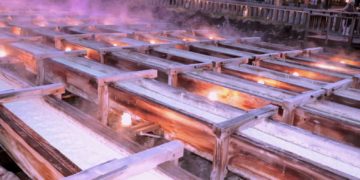
- Scene: Steam rises from pine forests as pools glow—24-hour public onsens welcome baths at any hour
- Why special: Historical wood-frame pools, medicinal sulfur steam—perfect for night recovery after a long travel day.
4.2 Kusatsu Yubatake (Gunma)
- Scene: Historic onsen town with shared ‘hot spring fields’ glowing softly at night
- Experience: Take a portable mug, sip from local spring, gather in riverside night huts.
4.3 Kobe’s Arima Onsen
- Scene: Old-fashioned inns and public bathhouses offer quiet vistas and warm mineral springs
- Open: Many operate into the late evening
- Highlight: Mix of “gold” and “silver” water types—excellent for tired muscles and rest.
5. Deep Sauna Culture for Midnight Adventurers
5.1 Rituals of Heat and Cold
Begin with a steam room (70–90°C), move to cold plunge, then rest in a totonoi terrace or nap room. Repeat cycles produce strong vascular flushes—physical clarity and mental reset combine. At night, this ritual counters fatigue from flights, meetings, or late bars.
5.2 Sauna Etiquette and Vocabulary
- Yukkuri (“gently”): Water pouring ritual when entering sauna
- Nikkin timer: For timed sessions
- Konsomeikku (consecutive sauna and ice bath): Common code word at centers
6. What to Expect: Prices, Towels, Tattoos, and Tips
6.1 What to Bring and Wear
If you’re heading to a midnight bathhouse, here’s what you need:
| Item | Need to Bring? | Notes |
|---|---|---|
| Towel | Sometimes included, but not always | Many charge ¥100–¥200 for rental |
| Change of clothes | Recommended | Especially after sauna |
| Toiletries | Optional | Most have soap and shampoo, but luxury items cost extra |
| Coins | Yes | For lockers and vending machines |
Most venues provide a small towel for washing, but a larger towel for drying is often extra. Use the small towel in the bath—but never let it touch the water. Keep it on your head or place it outside the tub.
6.2 Tattoos and Foreign Visitors
Tattoos have historically been taboo in Japan’s bath culture due to yakuza associations. However, attitudes are slowly changing:
- Tokyo: Many sento now accept tattoos—especially foreign guests.
- Super Sento: Some allow tattoos if covered with a patch.
- Sauna centers: Tend to be more lenient.
Before entering, always check signs or ask staff: “Tebori wa daijōbu desu ka?” (“Are tattoos okay here?”)
7. Unique Experiences: Mixed-Gender and Art Sento
While most onsen and sento are gender-separated, some unique venues blur the lines:
7.1 Koganeyu (Tokyo, Kinshicho)
- What makes it unique: Fusion of traditional sento with hip art and craft beer lounge
- Experience: Open-air baths, tattoo-friendly, creative lighting, and monthly DJs or art exhibits in the lobby
7.2 Takarayu (Osaka, Ikuno)
- Architectural jewel: Taisho-era design with mosaic murals, arch ceilings
- Best visited: Late night, when the bath steams meet silent corridors and tiled echoes
7.3 24H “Capsule & Spa” Combos
In major cities like Tokyo, Osaka, and Sapporo, you’ll find:
- Capsule hotels with full sento & sauna facilities
- Lounge spaces with manga, recliners, and massage chairs
- Examples: 9h (Nine Hours), Centurion Spa, Global Cabin Spa
These spaces are ideal for backpackers, digital nomads, or simply tired night owls needing a clean, hot, restful reset—no hotel required.
8. FAQs: What Night Bath Travelers Ask
| Question | Answer |
|---|---|
| Can I sleep in these places overnight? | Yes—many offer recliners or “capsule” zones for ¥2,000–¥4,000/night |
| Do I need to speak Japanese? | No, but basic phrases help. Menus and signage often include English pictograms |
| Are couples allowed together? | Usually separate baths by gender; mixed spaces exist in select spas |
| Are they safe at night? | Very—bathhouses are culturally safe, clean, and monitored |
| How long can I stay? | Sento: ~1 hour. Super sento/spa: up to 10 hours or more if overnight plan booked |
9. Final Thoughts: To-Not-Sleep, To-To-Noi
In a country that perfects the balance between chaos and calm, the midnight bathhouse is a sanctuary. Whether you’re decompressing after a red-eye flight, shaking off the city buzz post-drinks, or simply seeking quiet solitude, Japan’s 24-hour onsens and saunas provide more than just hot water—they offer rebirth.
“Totonoi” doesn’t translate easily—but you’ll know it when it hits you.
It’s that deep inhale after ice plunge.
The sound of jazz over water drip at 3AM.
The stillness of a tiled room glowing blue in silence.
It’s Japan at its most human. Most serene. Most alive.
So the next time night finds you in Tokyo, Osaka, Beppu, or a tiny backstreet town—look for steam in the sky. That’s your cue.
Towel in hand. Heart open. Go get your totonoi.