












Introduction: Raw Food Isn’t for Everyone
While Japan is famous for its raw delicacies—sashimi, sushi, and other uncooked treats—not every visitor is ready for that culinary leap. And that’s perfectly okay. Japanese cuisine is much broader than many assume, and izakayas, in particular, offer a diverse and satisfying experience that doesn’t require eating raw fish or meat.
If you’re heading to an izakaya but aren’t a fan of raw food, don’t worry. Izakayas are incredibly versatile, and you’ll still find plenty to enjoy. This guide walks you through:
- What types of dishes typically include raw ingredients
- How to avoid them without missing out
- What alternatives to order instead
- How to communicate your dietary preferences respectfully
Let’s break down the izakaya experience for the raw food-averse.
1. Common Raw Dishes to Watch Out For
You won’t always find English menus, so knowing a few common raw dishes can help you make more informed choices and avoid surprises.
- Sashimi (刺身): Raw slices of fish, often beautifully plated and served with soy sauce and wasabi.
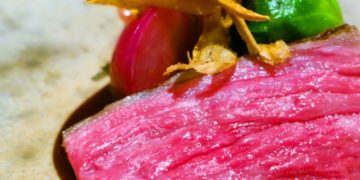
- Tataki (たたき): Lightly seared meat or fish, usually raw in the middle. Commonly made with tuna or beef.
- Namero (なめろう): A minced mixture of raw fish, miso, and herbs, sometimes eaten with rice.
- Yukke (ユッケ): Raw beef or horse meat, often garnished with sesame oil, scallions, and raw egg yolk.
- Torisashi (鶏刺し): Raw chicken sashimi—controversial and not commonly found outside Japan.
- Takowasa (たこわさ): Raw octopus marinated in wasabi. Very chewy and spicy.
Pro Tip: These dishes are often found under the “otsumami” (drinking snacks) or “sashimi” sections of the menu. Ask before ordering if you’re unsure.
2. Phrases That Signal Raw Ingredients
Some menu items may not explicitly say “raw,” but knowing a few key Japanese words can help you identify which dishes to avoid:
- Nama (生): This means raw or fresh. For example, nama-salmon is raw salmon. It also appears in non-food contexts like nama biru (draft beer), so context matters.
- Sashimi (刺身): This almost always refers to raw fish. Avoid unless the menu specifically notes that it’s cooked.
- Yukke (ユッケ): Typically raw beef or horse, often served cold with a raw egg.
Visual Clues: If a dish is served on crushed ice or with dipping soy sauce and wasabi, it’s probably raw.
3. How to Politely Ask What’s Cooked
If you’re uncertain, you can always ask. Here are some useful Japanese phrases:
- “Kono ryouri wa nama desu ka?” – Is this dish raw?
- “Nama no sakana wa taberarenai desu.” – I can’t eat raw fish.
- “Nama niku wa sukoshi nigate desu.” – I’m not good with raw meat.
- “Yaita mono wa arimasu ka?” – Do you have grilled dishes?
Japanese people are generally accommodating and understanding. You’ll likely be met with appreciation for making the effort to communicate your needs.
4. Safe and Delicious Cooked Alternatives
Avoiding raw doesn’t mean sacrificing flavor or authenticity. Izakayas have an expansive menu full of cooked dishes that even locals adore. Here are some to look for:
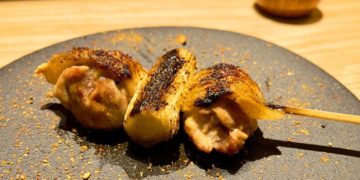
- Yakitori (焼き鳥): Charcoal-grilled chicken skewers. Options range from chicken thigh (momo), to meatballs (tsukune), to crispy skin (kawa).
- Agedashi Tofu (揚げ出し豆腐): Deep-fried tofu in hot broth. Soft, warm, and satisfying.
- Karaage (唐揚げ): Japanese-style fried chicken, marinated in soy, garlic, and ginger.
- Okonomiyaki (お好み焼き): A savory pancake filled with cabbage, pork, or seafood and topped with sauce, mayo, and bonito flakes.
- Gyoza (餃子): Pan-fried dumplings with pork and vegetables.
- Nasu Dengaku (なす田楽): Grilled eggplant glazed with miso sauce.
- Tempura (天ぷら): Lightly battered and deep-fried vegetables and seafood.
- Nikujaga (肉じゃが): A stew of meat, potatoes, and onions in soy-sugar broth.
- Chawanmushi (茶碗蒸し): A savory egg custard filled with chicken, mushrooms, and shrimp.
- Yaki Onigiri (焼きおにぎり): Grilled rice balls brushed with soy sauce.
These dishes are widely available and beloved even by locals who eat raw fish regularly. You won’t feel like you’re missing out.
5. What to Say If You’re Still Unsure
Menus at smaller, traditional izakayas may not have pictures or English descriptions. Here are a few useful strategies:
- Ask for an English menu: “Eigo no menyuu wa arimasu ka?”
- Point to an item and ask: “Kore wa nama desu ka?”
- Mention allergies or sensitivities: While not mandatory, some guests find saying “onaka ga yowai desu” (I have a sensitive stomach) helps explain their hesitation.
Some izakayas also use tablets or QR code menus with pictures, which make navigating the options easier.
6. Drinks and Sides That Are Always Safe
Aside from the main dishes, izakayas offer plenty of sides and drinks that don’t include raw ingredients.
Safe Sides:
- Edamame (枝豆): Salted, boiled green soybeans in the pod
- Tsukemono (漬物): Japanese pickled vegetables
- Miso Soup (味噌汁): A warm, umami-rich soup usually served with tofu and seaweed
- Potato Salad (ポテトサラダ): A creamy side with Japanese mayo and sometimes bits of ham or cucumber
- Rice Dishes: White rice, fried rice, ochazuke (check toppings)
Popular Drinks:
- Beer: Draft or bottled; Asahi, Kirin, and Sapporo are common
- Highballs: Whiskey and soda, light and refreshing
- Sours: Shochu with soda and fruit flavor (lemon, plum, yuzu)
- Umeshu (梅酒): Sweet plum liqueur
- Non-alcoholic options: Soft drinks, oolong tea, green tea, Calpis, and non-alcoholic beer
7. Dining Etiquette: Fitting In Without Compromising Comfort
Even if you avoid raw dishes, you can still engage in the cultural etiquette of the izakaya:
- Toasting: Raise your glass and say “Kanpai!” at the start of a meal
- Sharing: Izakaya meals are communal; order a few dishes for the table to enjoy together
- Chopsticks: Place chopsticks on the rest when not in use. Don’t stab or point with them.
- Thanking the staff: Saying “gochisousama deshita” after your meal (it means “thank you for the meal”) is appreciated
Conclusion: You Can Still Enjoy the Izakaya Vibe
Raw food is a big part of Japanese cuisine, but it’s not a requirement for enjoying a night out. Izakayas are social, warm, and offer a broad menu full of variety. With a bit of knowledge and a few key phrases, you can confidently navigate your evening without biting into something you didn’t expect.
From sizzling yakitori to piping hot agedashi tofu and crispy karaage, the izakaya menu is filled with comforting, cooked options that make for a delicious and culturally immersive experience.
So even if raw fish isn’t your thing, go ahead—order a highball, share some grilled skewers, and toast to a uniquely Japanese night out.
📎 More food-savvy Japan tips: https://afterdarkjapan.com