

1. Introduction: Steam, Silence, and the Glow of Tokyo at 2AM
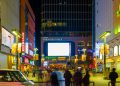
Most people visit Tokyo for its lights.
But the best glow might not come from billboards—it comes from bathhouse steam under neon reflections.
After midnight, the city calms. And that’s when a different kind of nightlife begins: hot water, cold air, deep silence, and slow breathing.
This is the world of Tokyo’s late-night sentō, super sentō, and saunas—a tradition steeped in both ancient wellness and ultra-modern urban design.
2. What Is a Sentō, and Why Go After Midnight?
A sentō (銭湯) is a traditional Japanese public bathhouse.
Unlike an onsen (which uses natural hot spring water), sentō use heated tap water—but the experience is equally healing.
🌙 Why go late?
- Fewer people = more peace
- Night air + hot water = perfect combo
- A solo moment of calm in a fast-moving city
- Locals often go after work, drinking, or gym
There’s also something special about seeing Tokyo reflected in steamy windows while you soak.
It’s nightlife, without noise.
3. Rules Every Foreigner Should Know (But No One Explains)
Don’t worry—sentō culture is welcoming, but here are the key basics:
🛁 Sentō Etiquette:
| Do | Don’t |
|---|---|
| Wash your body before entering the bath | Enter the tub dirty or sweaty |
| Keep your towel out of the water | Soak with shampoo or soap on you |
| Be quiet, respectful, and calm | Splash or speak loudly |
| Cover tattoos if required (or go to tattoo-friendly places) | Assume all baths are tattoo-friendly |
💡Bring your own small towel and toiletries (or rent at the front desk). Most places have lockers for valuables.
4. Tokyo’s Best Late-Night Bathhouses (Open Past Midnight)
Here are some of the top picks for night soaking across the city:
♨️ Thermae-Yu (Shinjuku)
- Open until 10AM the next morning (!)
- Rooftop open-air baths, carbonated hot springs, women-only floor
- On-site restaurant, manga lounge, massage services
- Great for solo travelers and first-timers
💧 Spa LaQua (Korakuen/Tokyo Dome)
- Natural hot spring facility inside a shopping complex
- Stylish, spacious, gender-separated and co-ed lounges
- Open until 9AM the next day
🔥 SaunaLab (Kanda)
- Finnish-style sauna with “silent forest” theme
- Bookings required, great for meditative detox
- Open until midnight on most nights
🚿 Mikokuyu (Ryogoku/Sumida)
- Retro sentō experience, newly renovated
- Local favorite, tattoo-friendly
- Open until 1AM
5. Neighborhoods With Night Bath Culture
Want to build a whole evening around the experience? Head to these areas:
🗼 Ueno / Okachimachi
- Mix of old-school sentō and hip izakaya
- Combine hot soak with late-night gyoza & sake
🌀 Shinjuku / Kabukicho
- Thermae-Yu, capsule hotels, all-night ramen
- Perfect for solo detox after city chaos
🧖 Koenji / Asagaya
- Indie bars + old-style sentō hidden in residential alleys
- Popular with creatives, musicians, and quiet types
🏮 Ikebukuro / Sugamo
- Quieter nightlife but strong bathhouse culture
- Less touristy, more local
These aren’t just functional—they’re night sanctuaries.
6. Night Saunas & the Rise of “Totonou” Culture
In recent years, Tokyo has embraced a new sauna culture rooted in a single word: “totonou” (整う)—a term that loosely means “to be aligned” or “to reach mental clarity.”
🔥 What is Totonou?
- Cycle through hot sauna → cold plunge → rest
- Repeat 2–3 times
- Achieve a blissful state of mind and body balance
At night, this experience is even more powerful. The contrast between the day’s chaos and the midnight calm makes each breath deeper, every drop of sweat more meaningful.
🧊 Top Night Saunas:
- SaunaLab (Kanda) – Finnish forest vibes, silence-focused
- Centurion Sauna (Akasaka) – Open 24hrs, men-only, business traveler-friendly
- Leisure Land Sauna (Ikebukuro) – Affordable, tattoo-friendly, open all night
7. Best Pairings: What to Eat or Drink After Bathing
Your post-bath ritual matters. And in Japan, locals have mastered the art of the bathhouse snack.
🥤 Classic Combos:
- Milk in glass bottles (coffee milk is a must!)
- Ramune soda
- Onigiri or tamago sando from convenience stores nearby
🍜 More Substantial Eats:
- Ramen (yes, again)
- Karaage and edamame at late-night izakaya
- Curry rice at 24-hour diners
💡 Pro tip: Some super sentōs have on-site restaurants open until 2–3AM. Eat in your yukata.
8. Tips for Sleeping, Relaxing, and Not Missing the First Train
Many travelers find themselves “too clean and too relaxed” to move after a midnight bath.
💤 Where to Rest:
- Relaxation lounges with reclining chairs, TV, charging ports
- Capsule hotel sections (sometimes attached to super sentōs)
- Napping rooms for gender-separated resting
Most facilities allow you to stay until the first train (5–6AM), making it a smart choice for:
- Budget travelers
- Missed last train
- Late-night arrival in Tokyo
💡 Bring a change of clothes or sleep in provided loungewear.
9. Why Locals Love Late-Night Bathing (Voices & Stories)
“After a night shift, this is my therapy.” —Riku, security guard
“I meet fewer people here than on social media. It’s my true quiet time.” —Akiko, illustrator
“Sauna at 2AM is how I clear my head before big meetings.” —Yuta, startup founder
There’s a growing subculture of Tokyoites who prefer nights for self-care. Bathhouses offer that rare blend of introspection, silence, and comfort.
10. Final Thoughts: A Different Kind of Nightlife
You don’t need noise to feel alive. You don’t need crowds to feel connected.
A Tokyo night spent soaking in a quiet bathhouse, sipping coffee milk, wrapped in steam—that’s a perfect memory in slow motion.
So skip the line at the club. Find the neon sign. Enter the steam.
And remember: In Japan, even the nightlife can heal you.